 Dorry Archiles
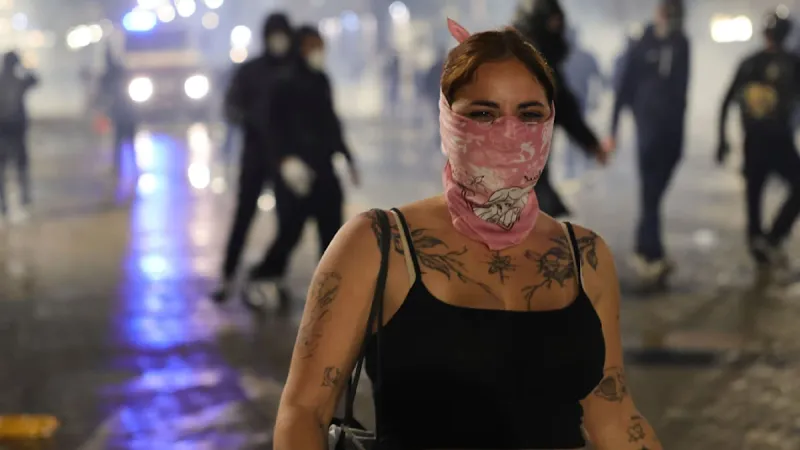
TIRANA, Albania – Violent confrontations erupted this week across the capital as students and pupils staged widespread protests, demanding the immediate resignation of Prime Minister Edi Rama and substantial improvements in future prospects. The demonstrations escalated into clashes with police forces, resulting in dozens of injuries and multiple arrests, prompting urgent calls for national dialogue from the United Nations and various religious leaders.
The youth-led movement underscores a deep-seated discontent with the current government's policies, particularly concerns over economic stagnation, limited employment opportunities, and the quality of public education. Students articulate a collective frustration with what they perceive as a lack of government commitment to their long-term well-being and a widening gap between their aspirations and the realities of the Albanian labor market.
Eyewitness accounts describe scenes of considerable chaos, with protestors attempting to breach police cordons around key government buildings. Law enforcement responded with crowd control measures, leading to physical altercations. The nature of the clashes highlights the intensity of the students demands and the government's firm stance against unauthorized assembly.
Medical sources reported numerous individuals requiring treatment for injuries sustained during the altercations, ranging from minor abrasions to more serious conditions. Authorities confirmed several arrests, primarily on charges related to public disorder and resisting arrest. The exact number of detainees remains in flux as investigations proceed.
Prime Minister Edi Rama's administration has yet to issue a comprehensive response directly addressing the students demands for his resignation. Official statements have largely condemned the violence, urging protestors to engage through established channels while emphasizing the importance of maintaining public order. This perceived stonewalling fuels further resentment among the demonstrators.
Amidst the escalating tension, the United Nations Office in Albania released a statement urging all parties to exercise restraint and engage in constructive dialogue. Simultaneously, prominent religious leaders across the nation issued a joint appeal, emphasizing the need for peace, understanding, and a national conversation to de-escalate the crisis and find common ground. This adds a significant moral and international dimension to the domestic unrest.
This wave of student protests is not an isolated incident but rather reflects a recurring pattern of public dissatisfaction that has periodically challenged the Rama government. Previous demonstrations, though not always reaching this level of violence, have consistently voiced similar grievances regarding governance, corruption, and economic conditions.
The situation in Albania draws parallels with similar youth-led movements across Europe, notably recent student protests in neighboring Italy. As reported by global.cognitodaily.com, Italian student protests escalated nationwide, prompting condemnation from Prime Minister Meloni. This regional trend highlights a broader European challenge in addressing youth concerns regarding future prospects and political representation.
The unrest poses a significant challenge to Albania's democratic stability and its aspirations for closer integration with the European Union. Persistent civil strife and governmental instability could undermine international confidence and hinder progress on key reforms required for EU accession. The ability of the government to manage this crisis peacefully and effectively will be closely watched by international observers.
The immediate future for Albania hinges on the willingness of both the student protestors and the government to move beyond confrontation and embrace the calls for dialogue. Without a genuine commitment to addressing the root causes of the discontent, the potential for further escalation and prolonged instability remains a serious concern for the nation.
The coming days will be crucial in determining whether Albania can navigate this turbulent period through negotiation and reform, or if the current deadlock will persist, further deepening the rift between its political leadership and its younger generation.