 Angela Stefani
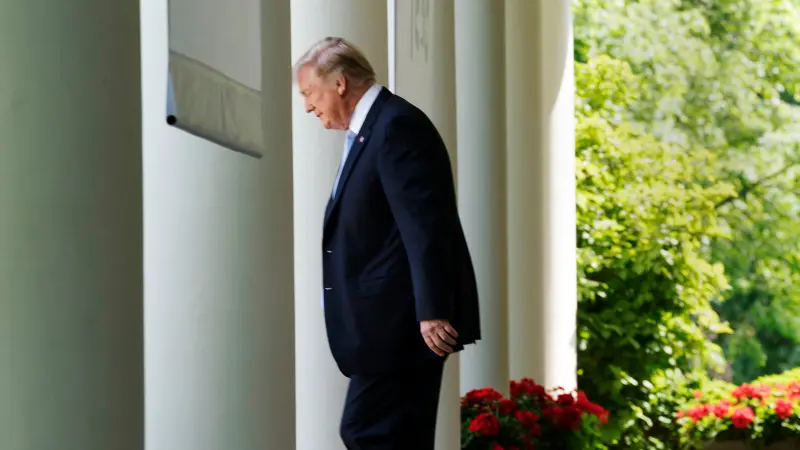
WASHINGTON — President Donald Trump today abruptly canceled a planned trip by U.S. envoys to Pakistan, where they were slated to engage in preliminary discussions aimed at de-escalating tensions with Iran. The unexpected directive, issued directly from the White House, immediately halted diplomatic preparations and sent ripples through international foreign policy circles regarding the future of engagement with Tehran.
The high-stakes mission, intended to explore potential avenues for dialogue between Washington and Tehran, was to leverage Pakistan's historic diplomatic ties and neutral standing. Sources familiar with the planning, who requested anonymity due to the sensitive nature of the discussions, indicated the envoys were poised to depart within days, signaling a potential shift in the administration's hardline stance on Iran.
A senior White House official, speaking on background, confirmed the cancellation without offering specific reasons, stating only that "circumstances have changed, and the President believes a different approach is warranted at this time." This terse statement has fueled speculation that the move signifies a significant recalibration of President Trump's Iran strategy, possibly moving away from immediate diplomatic outreach.
The decision has particular implications for Islamabad, which had reportedly invested considerable diplomatic capital in facilitating the proposed talks. Pakistan's Foreign Ministry had previously expressed its readiness to play a constructive role in regional peace and stability, viewing the potential talks as a significant opportunity to showcase its diplomatic influence.
This latest development comes against a backdrop of heightened U.S.-Iran friction, which has seen sporadic military encounters and persistent rhetoric from both sides. While direct talks have been largely absent, various third parties have sought to bridge the communication gap, with Pakistan emerging as a key potential interlocutor.
Analysts suggest the cancellation might reflect internal divisions within the Trump administration regarding the efficacy of engaging Iran through intermediaries, or perhaps a preference for direct, bilateral negotiations on American terms. The specific timing of the cancellation is also drawing scrutiny, occurring as regional security concerns remain elevated.
The U.S. State Department declined to comment directly on the reasons behind President Trump's decision, reiterating only its commitment to preventing Iran from developing nuclear weapons and its broader goal of de-escalating tensions in the Middle East. This lack of detailed explanation has left many observers to piece together the administration's evolving strategy.
For Iran, the cancellation likely represents a setback to any hopes for immediate, indirect dialogue. Tehran has consistently called for a lifting of U.S. sanctions before any meaningful negotiations can proceed, while Washington has insisted on a range of concessions from the Iranian regime. The Pakistani initiative sought to navigate these deep-seated disagreements.
The broader geopolitical landscape also plays a role. India, a traditional rival of Pakistan, has also been keen on maintaining stable relations with Iran, particularly concerning energy imports. Any perceived shift in Pakistan's diplomatic leverage in the region could have wider strategic repercussions for its neighbors.
Foreign policy experts are now watching closely for President Trump's next moves regarding Iran. The cancellation suggests a possible return to, or reinforcement of, a "maximum pressure" campaign without immediate diplomatic off-ramps, potentially raising the stakes in an already volatile region. The global community remains keen for stability.
The administration has previously demonstrated a willingness to shift foreign policy rapidly, often surprising allies and adversaries alike. This latest decision regarding the envoys' Pakistan trip for Iran talks underscores President Trump's unpredictable yet decisive approach to international relations, leaving many questions unanswered about the path forward.