 Dorry Archiles
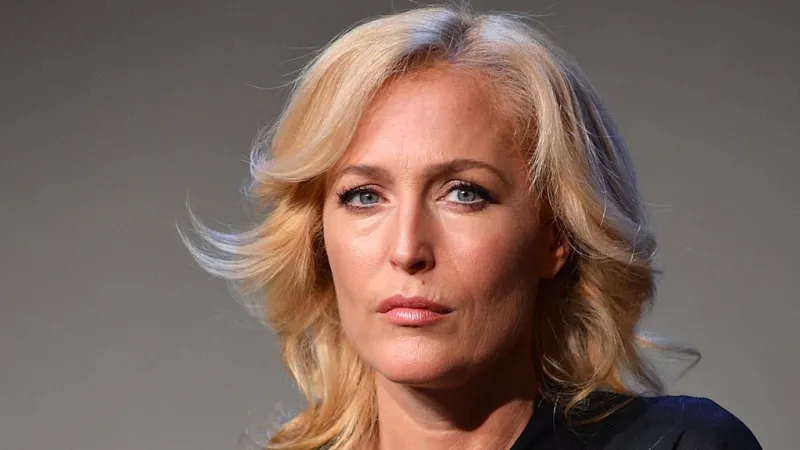
New York – Acclaimed actress Gillian Anderson, widely recognized for her compelling portrayal of a sex therapist, has embarked on a deeply resonant cultural initiative: the collection and publication of anonymous women's sexual fantasies. This project, which gained momentum in the wake of her immersive role, seeks to demystify and openly discuss the intricate, often veiled, landscape of female desire, prompting a significant societal re-evaluation of intimate expression.
Anderson's acclaimed performance as Jean Milburn in the popular Netflix series "Sex Education" provided her with a unique lens into the complexities of human sexuality. It was during this period that the conceptual seeds for her current endeavor were sown, driven by an observed disconnect between public perception and the private realities of women's inner lives. Her work as a fictional therapist evidently inspired a real-world pursuit of sexual candor.
The endeavor taps into a growing global dialogue surrounding female empowerment and sexual liberation. By providing a platform for previously unarticulated thoughts and desires, Anderson challenges long-standing taboos and encourages a more nuanced understanding of female sexuality beyond conventional narratives. The collection serves not just as a book, but as a mirror reflecting collective experiences.
A cornerstone of the project is its strict adherence to anonymity, ensuring that contributors can share their most intimate thoughts without fear of judgment or exposure. This careful curation allows for an unfiltered exploration of desire, ranging from the mundane to the profoundly unconventional, highlighting the vast spectrum of human experience.
In an era where discussions on consent, pleasure, and identity are increasingly prominent, Anderson's work adds a crucial dimension. It implicitly asks society to confront the often-ignored complexities of female agency in the realm of sex, moving beyond simplistic portrayals often perpetuated in media.
The project naturally invites a diverse range of reactions. Supporters applaud its bravery and potential for fostering greater empathy and understanding among genders. Critics, however, might raise questions about privacy implications or the potential for misinterpretation, though the anonymous nature mitigates many such concerns.
The underlying question raised by the project's very existence is whether secret female desires were ever truly "unconventional" or merely suppressed by societal expectations. Historically, women's sexuality has often been policed or relegated to the private sphere, making open expression a radical act. Anderson's collection pushes back against this historical silencing.
This initiative aligns with broader cultural shifts seen in various forms of media and literature where female perspectives on sexuality are gaining unprecedented visibility. From confessional memoirs to explicit artistic expressions, there is a clear societal appetite for authentic representations of women's inner worlds.
The sheer volume and diversity of the fantasies collected offer a rich sociological resource. They contribute significantly to academic and popular discourse on gender studies, psychology, and the evolving dynamics of modern relationships, inviting experts and laypersons alike to reconsider preconceived notions.
Ultimately, Anderson's project is more than a mere collection of stories; it is an invitation for introspection and open dialogue. It aims to foster an environment where women feel empowered to acknowledge and articulate their desires, moving towards a more sexually literate and equitable society. The ripple effects of this bold undertaking are likely to be felt for years to come, influencing how intimacy is perceived and discussed globally.