 Stefani Rindus
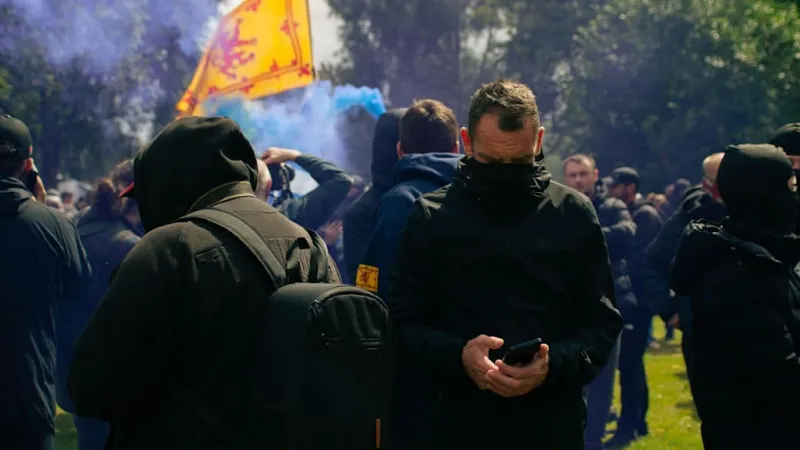
Unrest erupted recently in an unspecified European city as fervent anti-immigrant demonstrators confronted counter-protesters, leading to significant altercations, police intervention, and the arrest of 15 individuals. Videos widely circulated across social media platforms depicted scenes of intense scuffles and physical confrontations between the opposing groups, underscoring the escalating tensions surrounding immigration policy across the continent.
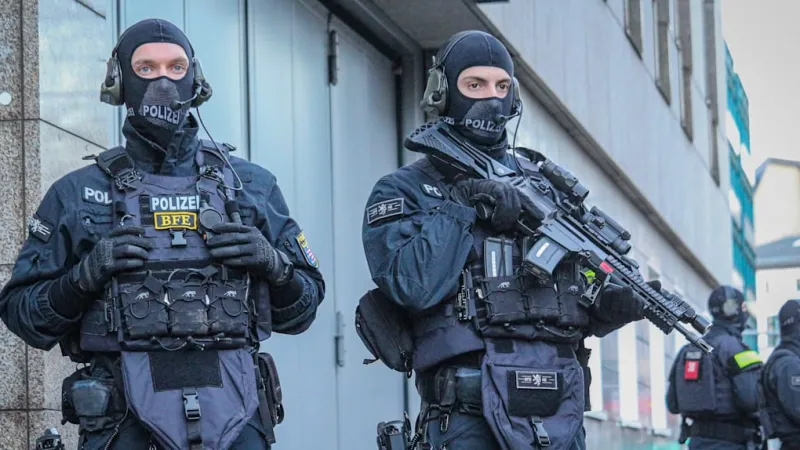
The clashes, characterized by pushing, shoving, and minor skirmishes, broke out when the two ideologically opposed factions converged. Law enforcement authorities, already on high alert due to intelligence reports of potential unrest, swiftly mobilized to quell the burgeoning chaos. Officers formed cordons to separate the groups, but several breakthroughs occurred, necessitating direct physical intervention.
Eyewitness accounts corroborated the intensity of the confrontations, describing a volatile atmosphere punctuated by chants and shouted epithets from both sides. Smoke flares and small projectiles were reportedly thrown in some instances, further escalating the already tense situation. The sheer number of participants on both sides presented a formidable challenge for police attempting to maintain order.
The police confirmed that 15 individuals were taken into custody following the disturbances. Charges are expected to include public disorder, assault, and resisting arrest, though specific details about the apprehended individuals and their affiliations have not yet been released. The arrests signify a firm stance by authorities against any actions that devolve peaceful protest into violence.
These recent events underscore a persistent and often fractious debate over immigration that continues to grip various European nations. Governments across the continent grapple with balancing humanitarian obligations, national security concerns, and public sentiment, often leading to polarized viewpoints and contentious public demonstrations.
Anti-immigrant movements, frequently fueled by concerns over national identity, economic strain, and integration challenges, have gained prominence in several European countries. Their rallies often draw participants who feel disenfranchised or believe their cultural heritage is under threat.
Conversely, counter-demonstrators typically advocate for inclusive policies, highlighting the economic and cultural contributions of immigrants and emphasizing human rights. Their presence at such events is often a direct challenge to the narratives propagated by anti-immigrant groups, leading to direct confrontations as seen in this incident. The deep divisions within societies on this issue are undeniable, creating a fertile ground for such public disturbances. For insight into how political narratives can be manipulated, one might consider exploring articles like Truth Under Siege: the Unseen Hand of Modern Propaganda.
European nations have long been at the crossroads of migration routes, a situation that has intensified in recent decades due to geopolitical instability, economic disparities, and climate change. This sustained influx has placed significant pressure on social services and infrastructure, often becoming a flashpoint for political discourse and public discontent.
The increasing frequency of such violent protests raises questions about the efficacy of current policing strategies for public assemblies. While the right to peaceful protest is a cornerstone of democratic societies, its exercise must adhere to the rule of law, preventing the escalation into violence and disruption.
This incident also mirrors previous occurrences of protest-related violence in Europe, where demonstrations, regardless of their original intent, have spiraled into disorder. Examples include the vigorous clashes seen during infrastructure protests, as highlighted in reports such as Violent No Tav March Closes Highway, Meloni Vows State Firmness. Such events underscore the challenging environment law enforcement faces in managing large-scale, ideologically charged gatherings.
Authorities are expected to conduct a thorough investigation into the events leading to the clashes and arrests. This includes reviewing all available video footage, interviewing witnesses, and assessing the tactics employed by both the demonstrators and the police. The goal will be to understand precisely how the situation escalated and to prevent future occurrences of similar violence.
The broader political landscape will undoubtedly react to these events. Nationalist and populist parties often capitalize on such incidents to amplify their anti-immigrant stances, while centrist and left-leaning parties typically condemn the violence and call for greater social cohesion and understanding. The incident will likely fuel ongoing debates in national parliaments and the European Union.
The immediate aftermath saw heightened security in the vicinity of the clashes, though no further major incidents were reported. The clean-up of any debris or damage commenced shortly after the areas were secured by law enforcement. A tense calm has reportedly settled over the area, but the underlying tensions remain palpable.
Ultimately, these clashes serve as a stark reminder of the deep ideological rifts that persist within European societies regarding immigration. While the focus remains on addressing immediate public order concerns, the long-term challenge lies in fostering constructive dialogue and finding common ground amidst deeply held, divergent views.
This incident is not isolated but part of a larger trend reflecting the profound impact of global migration on national identities and political stability across the continent. Addressing these complex issues demands multifaceted approaches beyond mere law enforcement, extending into policy, education, and social integration efforts.