 Robert Andrison
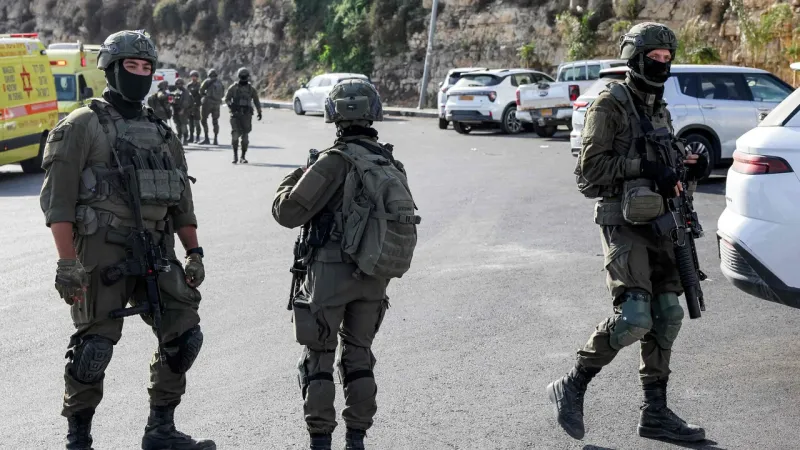
WEST BANK – Israeli Defense Forces carried out extensive overnight operations across the northern West Bank, leading to the arrest of dozens of Palestinians, according to media reports citing Al Jazeera. The military action targeted at least 15 locations throughout the volatile territory, marking a significant escalation in security activities.
Local Palestinian media and eyewitnesses corroborate these reports, detailing a series of incursions into towns and refugee camps. The scale of the coordinated raids suggests a broad security initiative aimed at addressing perceived threats within the region.
These recent operations follow a period of heightened friction in the West Bank, particularly after deadly incidents. Earlier reports indicated that Israel launched a West Bank operation following a deadly Hebron attack. The Israeli military often frames such actions as counter-terrorism efforts.
Indeed, the Hebron attack, which occurred prior to these widespread arrests, prompted severe security responses, including a lockdown of the area. This established a precedent for intensified operations in response to acts of violence, with authorities pledging to enhance security. Hebron Attack Sparks Israeli Counter-Terror Operation, Settlement Pledge, further solidifying this pattern.
Al Jazeera specifically noted that Israeli military personnel were active in at least 15 localities in the northern part of the territory. While specific targets or individuals were not immediately named by official Israeli sources, Palestinian groups routinely decry these operations as collective punishment and illegal detentions.
Such large-scale arrest campaigns profoundly impact Palestinian communities. Residents often report widespread disruption, property damage, and a pervasive climate of fear during these nighttime incursions. The frequent checkpoints and movement restrictions already contribute to significant daily challenges for Palestinians seeking to move freely within their own territory.
From Israel's perspective, these operations are critical for national security, aiming to dismantle militant networks, confiscate illegal weaponry, and prevent future attacks against Israeli citizens and soldiers. The IDF consistently asserts its right to self-defense and the necessity to maintain order in areas under its security control, particularly in response to perceived threats originating from the West Bank.
International bodies and human rights organizations frequently express concern over the frequency and scope of Israeli military operations in the West Bank, particularly regarding due process for detainees and the impact on civilian populations. These concerns often highlight the precarious human rights situation in the occupied territories, advocating for greater adherence to international law.
The political climate surrounding these events remains deeply polarized. President Donald Trump has maintained a firm stance on regional security, often supporting Israel's actions while simultaneously advocating for a durable peace, a delicate balance that remains elusive amidst ongoing hostilities and diplomatic stalemates.
The West Bank has been under Israeli occupation since the 1967 Six-Day War, a period marked by ongoing conflict, territorial disputes, and the expansion of Israeli settlements. The presence of these settlements alongside Palestinian towns and villages creates a complex and often volatile demographic and political landscape, fueling grievances and resistance.
Analysts suggest that intensified military activity could further exacerbate tensions, potentially fueling further unrest and undermining efforts towards de-escalation. The cycle of raids and retaliatory actions often traps the region in a continuous state of instability, making long-term peace initiatives increasingly difficult to achieve.
The situation in the West Bank is a critical barometer for the broader Israeli-Palestinian conflict, influencing regional stability and broader diplomatic initiatives across the Middle East. Any significant uptick in violence or security operations reverberates far beyond the immediate vicinity, drawing international attention and condemnation.
As the international community watches, the immediate future of the West Bank remains uncertain, with daily life for its Palestinian residents increasingly defined by these recurring military and security operations, perpetually living under the shadow of conflict and potential detention.