 Demian Sahputra
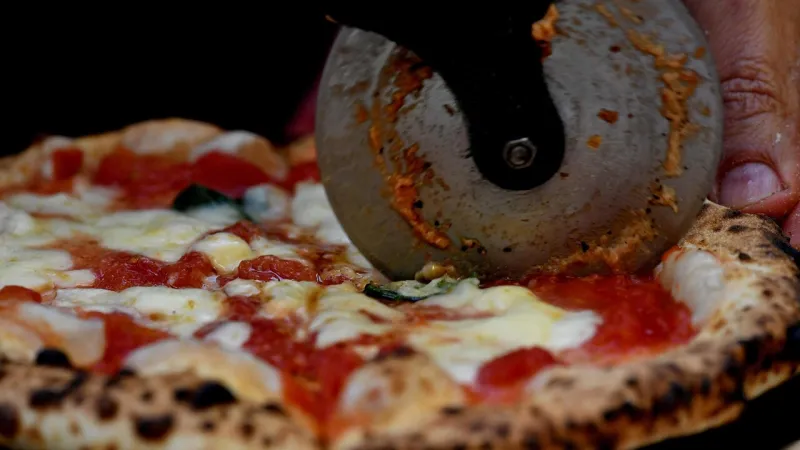
The British Broadcasting Corporation (BBC) has published research asserting a significant rise in childhood obesity rates across Italy, directly attributing the concerning trend to a dietary shift away from traditional healthy eating and towards excessive consumption of staples like pizza, pasta, and bread. This new report suggests that the renowned Mediterranean diet, once synonymous with Italian culture, has largely disappeared within the nation itself.
The research specifically challenges the widely held perception of Italy as a bastion of the Mediterranean diet, a dietary pattern celebrated globally for its health benefits. It posits that modern dietary habits among Italian youth have diverged sharply from the principles of fresh produce, olive oil, and lean proteins, favoring instead high-carbohydrate and often processed alternatives.
This accusation comes amid growing international concern over rising global obesity levels, particularly in younger populations. Health organizations worldwide have flagged childhood obesity as a major public health crisis, leading to increased risks of diabetes, heart disease, and other chronic conditions later in life.
While specific data points from the BBC research were not immediately detailed, the central premise focuses on the caloric density and portion sizes associated with contemporary Italian meals. The report implies that the cultural significance of pasta, pizza, and bread has overshadowed their appropriate place within a balanced diet.
The report underscores the vulnerability of children to these dietary shifts. Their developing bodies and eating habits are particularly susceptible to the long-term consequences of diets rich in refined carbohydrates and sugars, often leading to rapid weight gain.
Experts suggest that societal changes, including busier lifestyles and the increased availability of convenience foods, contribute to this departure from traditional eating. Families may increasingly rely on quick, easily prepared meals that do not always align with the nutritional tenets of the historic Mediterranean diet.
Economic pressures could also play a role, with healthier, fresh ingredients sometimes perceived as more expensive or less accessible than readily available processed foods that often feature the very staples identified by the BBC.
The potential long-term public health implications for Italy are substantial. An increase in the prevalence of childhood obesity could strain the national healthcare system, requiring more resources to manage related chronic diseases in future generations.
There has been no immediate official response from the Italian government or national health authorities regarding the BBCs specific findings. However, public health campaigns in Italy have previously addressed nutritional awareness and encouraged healthier eating habits among its citizens.
Historically, the Mediterranean diet has been lauded by UNESCO as an intangible cultural heritage, recognized for its social practices, traditions, and beneficial health outcomes. The BBC report challenges the contemporary reality of this designation within Italy itself.
Nutritionists typically advocate for balanced consumption of all food groups, emphasizing moderation and variety. The BBCs findings suggest that for many Italian children, the balance has tipped heavily towards high-carbohydrate foods without adequate offsetting by vegetables, fruits, and healthy fats.
This issue is not unique to Italy; many European nations grapple with increasing rates of childhood obesity. However, the BBCs specific focus on Italy, given its culinary heritage, highlights a particularly poignant shift.
The report serves as a stark reminder for Italian policymakers and parents alike to reevaluate dietary practices and reinforce the authentic principles of healthy eating to combat the growing childhood obesity crisis.