 Angel Doris

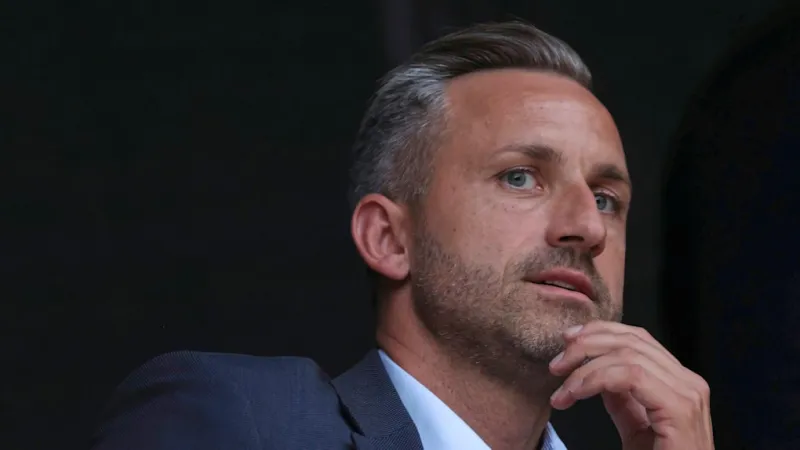
BERLIN – Prominent Berliner surgeon Masyar Rahmanzadeh recently issued a stark public warning against a prospective Left Party government in the capital, expressing deep concern over the citys political evolution. In a widely circulated Instagram video, Rahmanzadeh articulated his profound disillusionment, suggesting personal consequences if the current trajectory continues.
A respected medical professional, Rahmanzadeh amplified his voice on social media, using the platform to settle accounts with Berlins political development. His commentary resonates particularly within a city often characterized by its dynamic yet complex political landscape, where shifts in power can dramatically influence urban life and policy.
The surgeon did not mince words, pointing to a cumulative dissatisfaction with the prevailing political climate. His critique, while general in its presentation, underscored a growing sentiment among a segment of the populace that Berlins direction risks alienating its long-term inhabitants and contributors.
Rahmanzadeh conveyed a profound personal conviction, stating that a point could arrive where, if he no longer feels at home in Berlin, he would need to consider taking serious consequences. This evocative phrasing signals not just political disagreement but a fundamental questioning of belonging and civic identity.
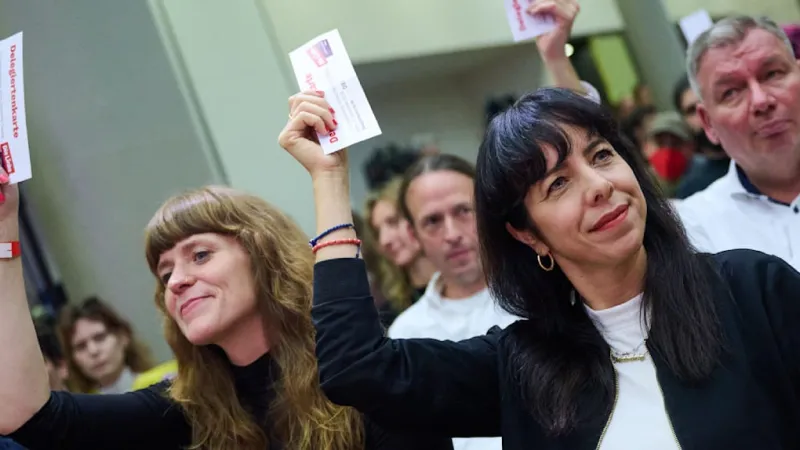
The prospect of the Left Party gaining further ground in German politics, particularly in a major metropolitan hub like Berlin, has fueled intense debate among residents and political observers alike. The party, known for its socialist roots and often radical policy proposals, presents a distinct alternative to more centrist or conservative governance.
Berlins political history is replete with ideological struggles and coalition governments. The city, as the federal capital, frequently finds itself at the epicenter of national political discourse, making local governance decisions subject to magnified scrutiny.
Rahmanzadehs intervention is noteworthy because it originates from a non-political figure, lending a different weight to his critique than if it came from an opposition politician. Such public statements from influential professionals often reflect a broader societal anxiety regarding political stability and future direction.
Observers suggest that the surgeon's veiled threat of personal consequences, potentially implying a withdrawal from the city or public life, serves as a powerful metaphor for the frustration felt by some citizens. It highlights a personal investment in the citys well-being that clashes with their perception of its political course.
The Instagram video quickly garnered attention, sparking discussions across various social media platforms and traditional news outlets. It contributes to an ongoing public dialogue about what constitutes effective governance in a diverse and rapidly evolving metropolis.
This incident underscores the intricate challenges facing Berlins political establishment, including issues of housing, public services, and overall urban development, all of which contribute to the perception of the citys liveability and future viability.
Such internal dynamics contribute to public perception and can compound external pressures, a reality reflected in reports like Berlin Left Party Faces Internal Strife Amid Coalition Overtures.
Ultimately, Rahmanzadehs impassioned plea serves as a potent reminder that political decisions have tangible impacts on individual lives and personal attachments to a place, shaping whether citizens feel empowered or estranged by their citys trajectory.