Gabriella

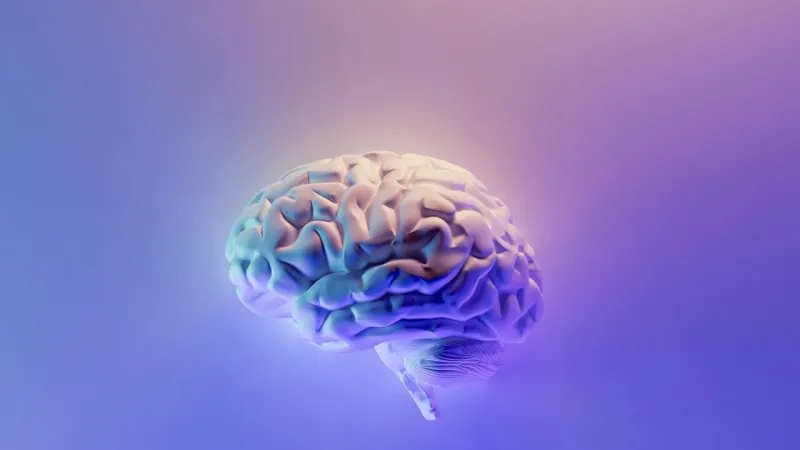
A recent breakthrough in cognitive neuroscience has illuminated why the human brain demonstrates a superior capacity for remembering unexpected events, a discovery poised to significantly advance the field of artificial intelligence. Researchers have meticulously uncovered the intricate mechanisms through which novel and surprising stimuli are encoded with greater efficiency and durability in our memory systems, providing a crucial blueprint for future AI development.
This pivotal research, emerging from a collaborative effort among leading academic institutions, demonstrates how the element of surprise acts as a powerful mnemonic enhancer. When confronted with an unforeseen occurrence, the brain's attention systems are immediately heightened, diverting resources to process and consolidate the new information with exceptional clarity.
The findings underscore an evolutionary advantage. Organisms capable of quickly and robustly learning from unexpected situations—such as encountering a new predator or discovering a novel food source—possess a clear survival edge. This inherent bias towards retaining surprising information has been a cornerstone of human learning and adaptation for millennia.
Neuroscientists posit that specific neurotransmitter systems, notably those involving dopamine, play a critical role in this process. Dopamine release, often associated with reward and motivation, is also triggered by novelty and unexpected outcomes, signaling to the brain that the incoming information is significant and worthy of enhanced storage within memory circuits, particularly in areas like the hippocampus.
For artificial intelligence, these insights hold immense promise. Current AI models often struggle with efficient learning from sparse data or adapting rapidly to unforeseen circumstances. By mimicking the brain's surprise-driven learning architecture, developers could design AI systems that learn more effectively, requiring less data and exhibiting greater adaptability in dynamic environments.
Imagine autonomous systems that, upon encountering an anomaly in their operational context, not only recognize it but also encode that novel experience with heightened significance, integrating it into their knowledge base more durably than routine observations. This could lead to more robust self-driving cars, more intuitive diagnostic AI, and more resilient robotic systems.
Dr. Elena Petrova, a leading neurocognition specialist uninvolved in the current study, remarked, “Understanding how the brain prioritizes and embeds information based on its unexpectedness is a holy grail for both neuroscience and AI. It bridges a fundamental gap in our understanding of intelligent learning.” Petrova's statement emphasizes the transformative potential.
One significant application could be in reinforcement learning, where AI agents learn through trial and error. By embedding a mechanism that assigns higher mnemonic value to surprising outcomes—both positive and negative—AI could optimize its learning pathways more rapidly, focusing computational effort where it yields the most significant insights.
Beyond technical applications, this research also reopens avenues for enhancing human learning and educational methodologies. Incorporating elements of well-designed surprise into curricula could potentially boost student engagement and long-term retention of complex subjects, moving beyond rote memorization towards more profound understanding.
The implications extend to areas such as personalized medicine, where AI could be trained to identify subtle, unexpected patterns in patient data that signify the onset of disease or unique treatment responses. The ability to give extra weight to these surprising data points could revolutionize predictive analytics in healthcare.
However, researchers caution that translating biological mechanisms into effective AI algorithms is a complex endeavor, requiring interdisciplinary expertise in neuroscience, computer science, and engineering. The brain's complexity far exceeds current computational models, yet this discovery offers a clear direction for innovation.
This breakthrough marks a significant step towards developing truly intelligent machines that do not merely process data but learn with a nuanced, adaptive, and human-like discernment. The synergy between understanding biological intelligence and engineering artificial intelligence continues to accelerate, promising a future of increasingly sophisticated cognitive technologies.