 Demian Sahputra
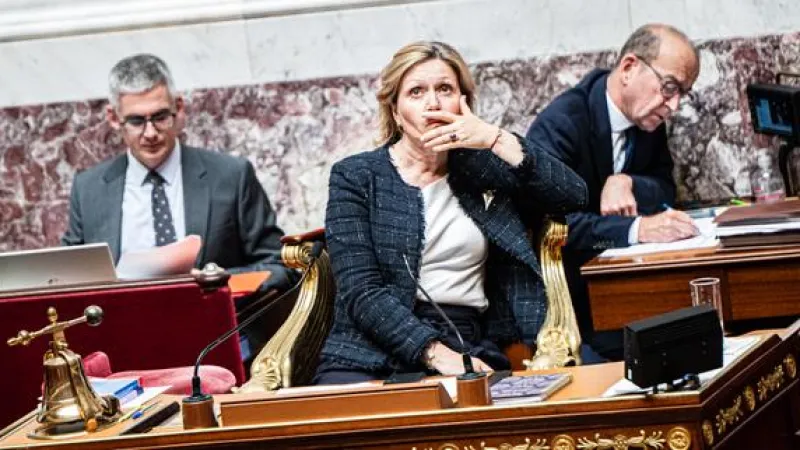
Paris, France – Yaël Braun-Pivet, President of the French National Assembly, appeared as a principal guest on the program Questions politiques this week, engaging a panel of seasoned journalists on two profoundly sensitive national issues: the tragic death of Lyhanna and the legislative efforts underway to combat sexual violence. Her participation underscored the pressing nature of these societal challenges and the French governments commitment to legislative action and public discourse.
The case of Lyhanna has seized national attention, sparking widespread public outrage and demands for justice. The specifics of her death, while still under investigation, have become a catalyst for renewed calls to protect vulnerable individuals, particularly minors, from systemic failures and acts of violence.
The discourse surrounding Lyhannas untimely demise directly converges with the proposed legislation aimed at strengthening protections against sexual violence. Public and political pressure mounts for robust measures that not only deter perpetrators but also provide comprehensive support for victims and ensure accountability within the legal framework.
As President of the National Assembly, Ms. Braun-Pivet occupies a pivotal role in steering legislative priorities through the French parliament. Her presence on a widely watched political program highlights the gravity with which the executive and legislative branches are approaching these deeply emotional and legally complex subjects.
The interview format on Questions politiques featured a formidable panel of journalists: Julien Nény from France Inter, Alix Bouilhaguet representing France Télévisions, and Françoise Fressoz from Le Monde. Their collective expertise ensured a rigorous examination of the issues, pushing for clarity and detail on the governments stance and plans.
Discussions likely centered on the specifics of the proposed law against sexual violence. Experts anticipate questions regarding the scope of the legislation, potential amendments to existing statutes, and the resources allocated for enforcement and victim support services. The goal is to create a more effective legal apparatus against these heinous crimes.
The French government, under increasing scrutiny, is expected to outline its strategy for implementing the new measures. This includes preventative programs, educational initiatives, and improved coordination among law enforcement, judicial bodies, and social services to address the multifaceted nature of sexual violence.
The political climate in France, as in many nations in 2026, remains fraught with challenges ranging from economic pressures to social justice movements. Public confidence in institutions often hinges on their perceived ability to address fundamental issues of safety and justice.
The public expects not only strong words but also tangible actions. The upcoming legislation represents a critical opportunity for the French government to demonstrate its responsiveness to widespread concerns and to implement policies that genuinely protect citizens and deliver justice.
The outcome of this legislative push, particularly in the wake of tragedies like Lyhannas death, will likely define a significant aspect of the current parliamentary session. The National Assemblys President Braun-Pivet faces the complex task of forging consensus while upholding the highest standards of justice and victim advocacy.
Beyond the legislative halls, the conversation initiated by Yaël Braun-Pivet on Questions politiques serves to keep these uncomfortable yet crucial topics at the forefront of national dialogue. It reinforces the notion that societal change requires sustained public engagement alongside political will.
Crafting effective legislation while respecting individual liberties and ensuring due process presents a delicate balance. The challenge for lawmakers, led by figures like Braun-Pivet, is to create a framework that is both compassionate toward victims and just in its application.
This interview provided a platform for the National Assemblys President to articulate the governments position, clarify ambiguities, and perhaps even quell public anxieties about the pace and efficacy of reforms. Such direct engagements are vital for democratic transparency.
The discussions surrounding the Lyhanna case and the sexual violence law are not merely political debates; they reflect a national introspection on societal values, protection mechanisms, and the collective responsibility to safeguard the most vulnerable members of society.
As France navigates these critical matters, the National Assemblys role in shaping protective legislation will remain under intense public and media scrutiny, emphasizing the profound impact of these decisions on the nations social fabric.