Chris Robert
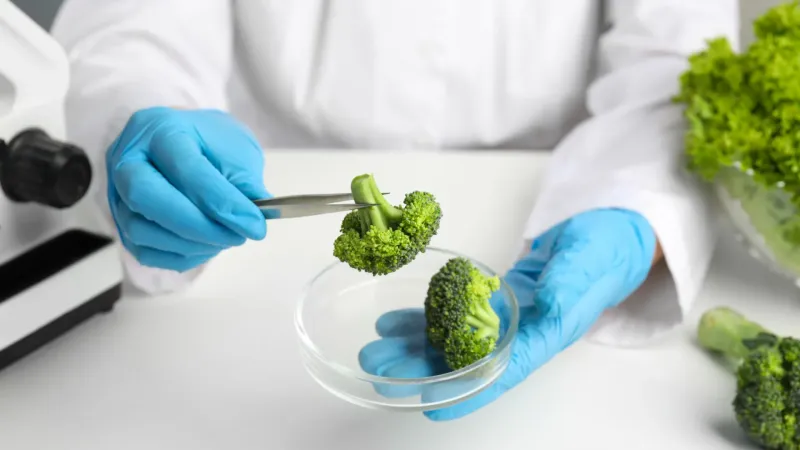
Washington – A naturally occurring compound found in broccoli shows significant promise in the fight against Friedreich ataxia, a devastating genetic disease that progressively damages the nervous system. Scientists recently announced this discovery, which could lead to an affordable new treatment by boosting a vital protein and protecting nerve cells, though clinical trials are essential to confirm its effectiveness in patients.
Friedreich ataxia, a rare inherited disease, affects approximately one in 50,000 people globally, primarily children and young adults. It causes progressive damage to the cerebellum, spinal cord, and peripheral nerves, leading to symptoms such as loss of coordination, muscle weakness, speech problems, and heart conditions. Currently, treatment options are limited and focus primarily on managing symptoms, rather than addressing the underlying cause of the disease.
The compound, which researchers have identified as a potent activator of a specific cellular pathway, functions by increasing the production of frataxin, a crucial protein that is deficient in individuals with Friedreich ataxia. This protein is vital for mitochondrial function, the energy powerhouses of cells, and its deficiency leads to cellular damage, particularly in nerve cells.
Preliminary laboratory studies indicate that the broccoli-derived substance not only elevates frataxin levels but also exhibits neuroprotective properties, shielding vulnerable nerve cells from further damage. This dual action mechanism provides a compelling rationale for its therapeutic potential in a disease characterized by progressive neurological degeneration.
Researchers emphasize the profound implications of this discovery, particularly the potential for an affordable and accessible treatment. As a compound derived from a common vegetable, its eventual synthesis and distribution could be significantly less costly than many complex biological drugs currently under development or in use for other rare diseases.
However, the scientific community underscores the cautious optimism surrounding these findings. While promising, the journey from laboratory discovery to an approved pharmaceutical involves rigorous testing through multiple phases of clinical trials. These trials will assess the compounds safety, optimal dosage, and efficacy in human patients.
This research aligns with a growing body of work exploring the therapeutic potential of natural compounds in combating complex neurological conditions. Similar studies are investigating how various substances interact with brain chemistry and cellular processes, offering diverse avenues for medical advancement. For instance, recent research has explored how Psilocybin Unlocks Brain Rewiring, Offers Hope for Stress Repair, highlighting the broader interest in novel neurological interventions.
The prospect of an oral medication derived from a natural source could vastly improve the quality of life for those afflicted by Friedreich ataxia. The current burden of care often involves extensive physical therapy, assistive devices, and management of various associated health complications, which can be financially and emotionally draining for patients and their families.
Experts caution against self-medication or attempts to consume excessive amounts of broccoli, as the precise therapeutic compound and its effective dosage require isolation and careful formulation. The studies utilize purified and concentrated forms of the compound, not simply dietary intake.
Scientists express hope that the regulatory pathway for this compound could be expedited given the severe unmet medical need for Friedreich ataxia. Collaborative efforts between academic institutions, pharmaceutical companies, and patient advocacy groups will be critical in accelerating the research and development process.
This breakthrough represents a significant step forward in understanding and potentially treating Friedreich ataxia, offering a beacon of hope for thousands globally. The focus now shifts to garnering the necessary resources and approvals to advance this promising broccoli-derived compound into human clinical trials.