 Angel Doris
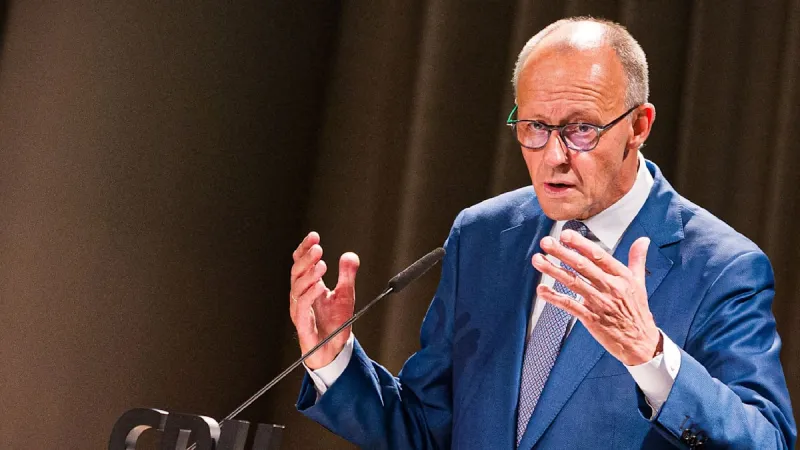
MAGDEBURG – Bundeskanzler Friedrich Merz issued a robust warning against the Alternative for Germany (AfD) recently, urging voters in Saxony-Anhalt to reject the far-right party during the final phase of the state parliamentary election campaign. Merz asserted that the AfD's agenda would fundamentally undermine the nation's integrity and prosperity should they gain significant power in the upcoming vote.
The Chancellor's intervention underscores the gravity of the political contest in Saxony-Anhalt, a state where the AfD has consistently polled strongly. His remarks reflect a broader concern among mainstream political parties about the potential consequences of increased AfD influence at both state and federal levels.
Merz emphasized that the upcoming election is not merely a regional affair but a crucial test for Germany's democratic resilience. He appealed to the electorate to consider the long-term implications of their choices, particularly regarding economic stability and social cohesion.
The AfD's populist platform, often characterized by anti-immigrant rhetoric and Euroskepticism, has resonated with a segment of the population, especially in eastern German states. Their rise presents a significant challenge to traditional parties like Merz's Christian Democratic Union (CDU) and the ruling coalition.
Leading figures across German industry have echoed the Chancellor's apprehensions. As reported previously, the Siemens Energy CEO explicitly warned that “AfD Economic Policy Dramatically Flawed,” highlighting potential adverse effects on Germany's economic standing and investment climate.
These economic warnings center on the AfD's proposals, which critics argue could isolate Germany from key international partners and hinder crucial investments in innovation and sustainability. Such policies, analysts suggest, could jeopardize job security and living standards.
Beyond economic concerns, questions have also been raised about the practicalities of AfD governance. Discussions, such as those presented in the article “AfD Governance: Germany's States Immune to Federal Funding Cuts?” explore how federal funding might be impacted by state administrations led by the AfD, potentially creating political and financial deadlock.
Merz's strong language serves as a call to action for voters who may be considering protest votes. He stressed the importance of actively participating in the democratic process to safeguard the nation's future against what he perceives as divisive and destructive forces.
The state election in Saxony-Anhalt is viewed as a bellwether for national political sentiment. A strong showing by the AfD could embolden the party nationally and influence future federal election strategies for all major parties.
As the campaign enters its decisive phase, the pronouncements from Bundeskanzler Merz aim to galvanize support for centrist parties and encourage a unified front against the rising tide of populism. The stakes, he underscored, are exceptionally high for the future trajectory of Germany.
Political analysts are closely monitoring the Saxony-Anhalt outcome for indications of broader trends in German politics, especially with an eye toward how the AfD's success or failure might reshape the political landscape in the coming years.
This robust stance by Bundeskanzler Merz reflects a broader effort by Germany's established political leadership to counter the AfD's growing electoral appeal and its proposed policies, which they argue threaten fundamental democratic values and economic stability.