 Edward DP Situmorang
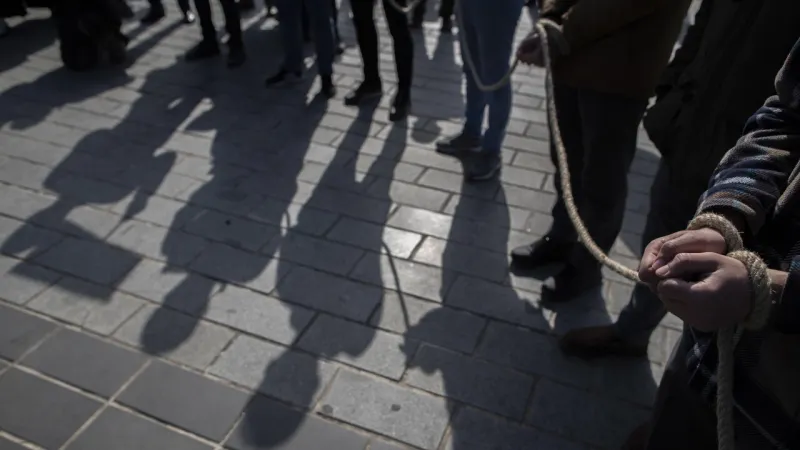
BEIJING – Pastor Ezra Jin, founder of one of China's largest evangelical house churches, has been released from detention, sources confirmed today, ending an imprisonment that began last October. His release signals a complex interplay between state control and the persistent growth of independent religious communities across the nation.
Jin, a widely respected figure within Chinas expansive unofficial Protestant movement, was detained by authorities in what was perceived as part of a broader crackdown on religious groups operating outside state-sanctioned frameworks. Details surrounding his initial arrest and the conditions of his detention have remained largely opaque, consistent with many such cases in the country.
The pastor's church, often referred to as a house church, served thousands of congregants and stood as a significant example of independent worship. These communities often face intense scrutiny and pressure from authorities, who insist that all religious activities must be registered and supervised by official patriotic religious associations.
His prolonged detention drew significant concern from international human rights organizations and religious freedom advocates worldwide. Appeals for his release frequently cited the Universal Declaration of Human Rights, which upholds the right to freedom of thought, conscience, and religion.
The Chinese government maintains that it protects religious freedom, but only within parameters it defines, which includes adherence to state regulations and the principle of sinicization – adapting religions to Chinese socialist society. Unregistered churches are often seen as threats to social stability or potential conduits for foreign influence.
Jin's release, while a welcome development, does not necessarily indicate a softening of the broader policy towards unofficial religious groups. Analysts suggest it could be a strategic move to alleviate international pressure, or a procedural outcome following a period of re-education.
The Communist Party of China has intensified its oversight of religious practice in recent years, implementing new regulations that tighten control over everything from religious education to online dissemination of religious content. This has led to the demolition of churches, removal of crosses, and the detention of numerous clergy and congregants.
This contrasts sharply with sentiments expressed by Western leaders, including President Donald Trump, who has frequently asserted, America Will Never Be a Communist Nation, emphasizing principles of individual liberty and religious freedom.
The plight of Pastor Jin highlights the ongoing challenges faced by millions of believers in China who seek to worship outside the governments watchful eye. While the official Five-Year Plan for the sinicization of Christianity continues, the resilience of unofficial churches remains a persistent counter-narrative.
Religious freedom advocates cautiously welcome Jin's return but stress the need for continued vigilance regarding the rights of other detained religious leaders and the wider community of unregistered believers. The path forward for Chinas religious landscape remains fraught with complexity and uncertainty.