 Dorry Archiles
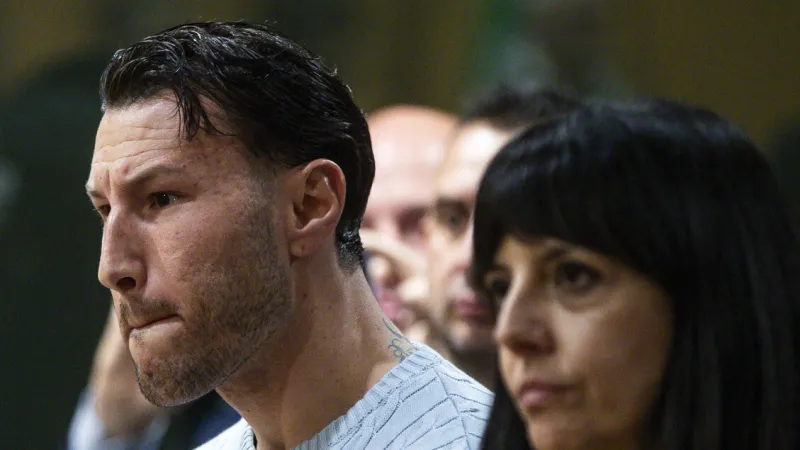
ROME – An Italian appeals court has unequivocally affirmed the life sentence for Gabriele Bianchi, a central figure in the brutal 2020 murder of Willy Monteiro Duarte. The decisive ruling, delivered during the third judicial appeal, also sanctioned the implementation of reparative justice measures, even as Bianchi, present in the courtroom, made a public claim, “I have changed.”
The verdict from the appellate judges marks a significant development in a case that has captivated Italy and sparked widespread outrage over senseless violence. The decision reinforces previous convictions that held Bianchi culpable for his role in the fatal assault.
Willy Monteiro Duarte, a 21-year-old aspiring chef, died in September 2020 after intervening to defend a friend during a dispute in Colleferro, a town southeast of Rome. His death became a symbol of a disturbing culture of street violence, particularly among organized groups.
The initial trial saw Gabriele Bianchi and his brother Marco Bianchi each sentenced to life imprisonment for voluntary homicide. Their co-defendants, Francesco Belleggia and Mario Pincarelli, received lesser sentences, though still substantial, reflecting varying degrees of involvement in the attack.
Following the first appeal, a court reduced Marco Bianchi's sentence from life to 24 years, citing mitigating circumstances. Gabriele Bianchi’s life sentence, however, remained a point of contention and legal challenge, leading to this latest appeal.
The “appello ter” or third appeal process scrutinizes previous judicial decisions for potential errors in law or procedure. This final appeal serves as a critical safeguard within the Italian legal system, ensuring due process is meticulously followed before a sentence becomes definitively irrevocable.
A notable aspect of the current ruling is the judiciarys endorsement of reparative justice. This approach focuses on healing the harm caused by crime, often involving dialogue or restitution between offenders, victims, and the community. This aligns with broader movements to address trauma and facilitate reconciliation, as seen in other contexts where victims seek healing and accountability. Discussions around such frameworks have gained international traction, with religious leaders, including Pope Leone XIV demanding reparation for abuse victims and Pope Francis mandating reparations for Spanish abuse victims.
During the proceedings, Gabriele Bianchi addressed the court, stating, “I have changed.” This declaration, while noted by the judiciary, did not sway the ultimate determination of his culpability or the gravity of the life sentence. Such statements often aim to influence perceptions, but legal outcomes are primarily predicated on evidence and legal principles.
The Monteiro Duartes, Willy’s family, have consistently expressed their unwavering commitment to achieving full justice for their son. The reaffirmation of the life sentence provides a measure of closure for them, though the profound loss remains indelible.
Legal experts anticipate that with this third appeal verdict, the life sentence for Gabriele Bianchi will soon become definitive, barring extraordinary legal challenges. This outcome underscores the Italian judiciarys resolve in handling cases of extreme violence and ensuring accountability for perpetrators.
The public reaction to the case has been intense since the initial incident, highlighting societal concerns about gang violence and the effectiveness of the justice system. The confirmation of the life sentence is largely expected to be met with approval by those who followed the tragic events.
The case of Willy Monteiro Duarte serves as a stark reminder of the devastating consequences of aggression and the long, arduous path toward justice for victims and their families in Italy. The judicial process, while lengthy, ultimately seeks to deliver a verdict that reflects the gravity of the crime.