Robert Andrison
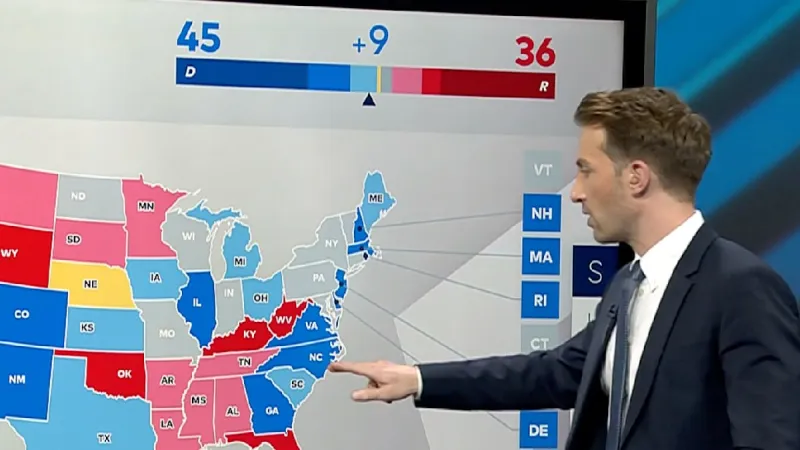
Washington – Democrats have clinched a pivotal majority in the U.S. House of Representatives, seizing control from Republicans and dramatically reshaping the legislative landscape for President Donald Trump's administration. Projections indicate the party has secured at least 218 of the 435 available seats, effectively ending Republican dominance in the chamber.
This electoral shift represents a substantial setback for the Republican Party, transforming what many had anticipated would be a challenging but navigable political environment into a deeply divided Congress. The outcome will undoubtedly complicate President Trump's ability to push through key policy initiatives and nominations during his remaining term.
The loss of House control marks a significant shift in the balance of power, reminiscent of previous periods where a divided government forced greater bipartisanship or, conversely, entrenched legislative gridlock. Such an outcome often turns legislative bodies into battlegrounds rather than forums for consensus.
With Democrats now wielding the gavel, expect a pronounced shift in committee priorities. Investigations into the administration, oversight of executive agencies, and a renewed focus on Democratic legislative priorities—ranging from healthcare reform to climate policy—are likely to dominate the House agenda.
Republican leaders, still reeling from what some are calling a horror night for the party, have begun the challenging process of internal introspection. Sources close to the Republican National Committee suggest a fierce debate is underway regarding campaign strategies and the party's messaging moving forward.
Democratic strategists, meanwhile, are celebrating a victory that provides a powerful platform for their opposition to President Trump's policies. “The American people have spoken clearly,” stated a senior Democratic congressional aide, requesting anonymity to discuss internal strategy. “They want checks and balances, and we are ready to deliver.”
President Trump's legislative ambitions, particularly those requiring congressional appropriations or new statutory authority, will now face an uphill battle. Initiatives such as infrastructure spending, tax adjustments, or further regulatory rollbacks may encounter immediate resistance from the new Democratic majority.
This electoral outcome also brings into sharper focus the ongoing national political dialogue that characterized the run-up to this critical vote. Observers had framed these elections as a de facto referendum on President Trump's presidency, a sentiment echoed in analyses like Midterm Elections 2026: America Votes Amid Referendum on Trump Presidency.
While the presidency retains primary authority over foreign policy, a Democratic House could still exert influence through its control of funding and investigative powers. Previous administrations have seen their foreign policy initiatives scrutinized by an opposing House, as seen in past debates over aid packages, including discussions surrounding the article Trump Halts Israel Military Aid: Year-End Deadline Set with Netanyahu.
The immediate future points to a period of heightened political tension and potential legislative deadlock. Both parties now face the intricate challenge of navigating a divided government, with the prospect of significant policy clashes looming on the horizon.
The new House leadership is expected to outline its legislative priorities in the coming weeks, signaling a clear departure from the Republican-led agenda. The shift promises a robust debate over national direction and governance.
Ultimately, the Democratic takeover of the House of Representatives sets the stage for a tumultuous and consequential period in American politics, forcing a recalibration of power that will impact every aspect of federal policy.