 Chris Robert
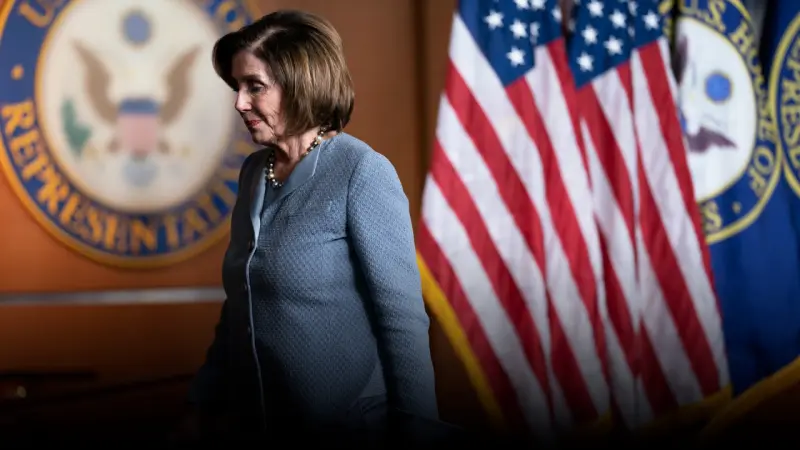
WASHINGTON — House Republicans narrowly advanced crucial legislation Wednesday evening, clearing a significant procedural hurdle to fund the Foreign Intelligence Surveillance Act and Immigration and Customs Enforcement, following a dramatic floor vote that highlighted ongoing internal party fissures ahead of key 2026 legislative deadlines.
The 216-210 vote on the rule bill, which governs floor debate for the broader spending package, signals a hard-won victory for House leadership and President Donald Trump's administration. It came after intense negotiations and arm-twisting within the Republican conference, particularly with a conservative bloc demanding more stringent reforms to government surveillance powers.
FISA, a cornerstone of U.S. intelligence gathering, has been a contentious issue on Capitol Hill, with lawmakers on both sides of the aisle calling for reforms to prevent potential abuses while preserving its vital role in national security. The current reauthorization is critical for maintaining intelligence operations against foreign adversaries.
Equally significant is the funding for Immigration and Customs Enforcement. President Trump has made robust border security and interior enforcement a hallmark of his presidency. Securing funding for ICE is a priority for his administration to manage ongoing challenges at the nation's southern border and address immigration policy.
The procedural vote was seen as a litmus test for Speaker Johnson's ability to unite his often-divided caucus. A handful of Republicans had initially threatened to block the rule, primarily due to concerns over Section 702 of FISA, which allows the government to collect the communications of non-Americans located outside the U.S., even if those communications involve Americans.
Opponents within the GOP argued that the proposed reforms to FISA did not go far enough to protect civil liberties and prevent potential overreaches by intelligence agencies. Their dissent forced leadership to make last-minute concessions to secure the necessary votes for the rule's passage.
The administration of President Donald Trump has consistently advocated for a strengthened FISA, emphasizing its indispensable role in counterterrorism and counterintelligence efforts. However, the President also acknowledged the need for robust oversight and accountability to ensure civil liberties are protected.
Democratic lawmakers largely maintained their opposition, with many arguing that the funding package did not adequately address humanitarian concerns at the border or offer comprehensive immigration reform. Their unified stance underscored the deep partisan chasm on these critical issues.
Clearing the rule means the full House can now proceed to debate the underlying legislation, which includes multiple amendments related to both FISA reform and ICE operations. The legislative journey is far from over, but this vote represents a major step forward.
Historical precedents show that FISA reauthorization debates often become flashpoints for broader discussions about privacy, governmental power, and national security. This year's debate in 2026 proves no exception, with renewed urgency following global geopolitical shifts.
Funding for ICE is likewise tied to broader national discussions about border enforcement strategies, asylum processes, and the allocation of resources to manage migrant flows. The legislative battle reflects competing visions for America's immigration future.
For House Republican leadership, the success of this procedural vote is a testament to their ability to navigate complex ideological divides within their party. It allows them to demonstrate legislative progress on key promises to their constituents and the President.
The legislative package now faces an unpredictable path through floor debate, where numerous amendments are expected to be introduced. Should it pass the House, it will then move to the Senate, where its prospects remain uncertain given the Senate's own internal dynamics and differing priorities.
This dramatic vote sets the stage for weeks of intense legislative wrangling, with the outcome poised to significantly impact national security policy, border enforcement, and the political landscape leading into the 2026 midterm elections.