 Chandra Wijayanto
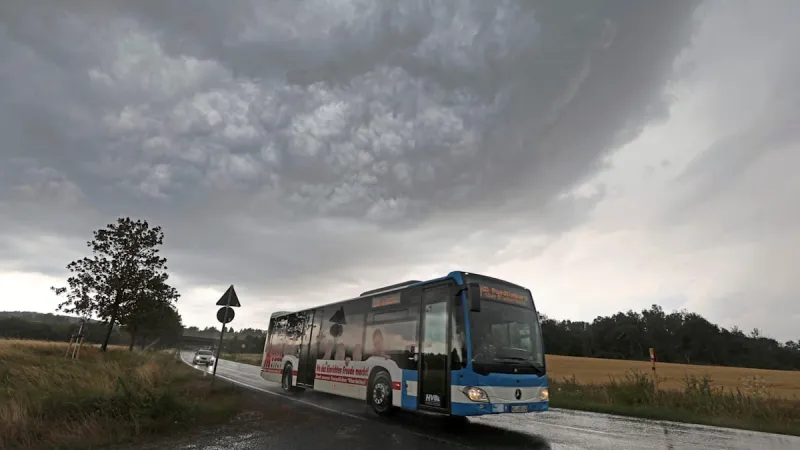
The German Weather Service (DWD) has issued urgent warnings for parts of East Germany, anticipating severe thunderstorms and torrential rainfall throughout the afternoon and evening hours. Meteorologists project up to 60 liters of rain per square meter within a very short timeframe, significantly increasing the risk of widespread flash floods and localized inundation across the region.
The DWDs advisory highlights a dynamic weather system poised to impact several eastern German states, urging residents to prepare for rapidly changing conditions. The intensity of the forecasted precipitation suggests that drainage systems, particularly in urban areas, may struggle to cope with the sudden influx of water.
Alexander Hildebrand, a DWD meteorologist, emphasized the gravity of the situation, stating, "Up to 60 liters of rain per square meter within a very short time are possible." This volume of rainfall can quickly overwhelm infrastructure, leading to dangerous surface water accumulation and potentially fast-moving currents in streets and low-lying areas.
The regions most susceptible to these severe weather phenomena include areas already experiencing saturated ground from recent rainfall, which further exacerbates the flood risk. Local authorities are closely monitoring the situation and have advised communities to activate their emergency response protocols.
Potential impacts range from flooded basements and underground parking garages to impassable roads and disruptions to public transportation networks. Commuters and travelers are strongly advised to exercise extreme caution, avoid unnecessary journeys, and stay updated on the latest weather advisories.
Emergency services across the affected areas are on heightened alert, preparing for potential call-outs related to water rescues, fallen trees, and power outages. Residents are encouraged to secure loose outdoor items and ensure access to emergency kits.
These intense, localized downpours stand in stark contrast to periods of drought Germany has experienced in recent years. While rainfall is generally welcome, such concentrated events often lead to runoff rather than effective groundwater replenishment, presenting a complex challenge for water management. For a broader perspective on water challenges, one might consider Germany's Drought Emergency: Hydrologist Demands Groundwater Oversight.
The DWD employs advanced radar technology and predictive models to track the development and movement of these storm cells, providing crucial real-time information to the public and disaster management agencies. However, the capricious nature of thunderstorms means exact locations and timings can shift rapidly.
Officials are calling for public vigilance, especially regarding children and pets, to keep them away from swollen streams, culverts, and inundated areas. The risk of lightning strikes is also considerable, necessitating avoidance of open fields and seeking shelter indoors.
The economic toll of such severe weather events can be substantial, with damages to property, agriculture, and infrastructure often running into millions of euros. Insurance companies brace for an increase in claims as the region prepares to weather the incoming storms.
As the afternoon progresses into evening, communities throughout East Germany will remain on high alert, with the DWD promising continuous updates to help residents navigate this challenging weather event safely.
This incident underscores the importance of robust early warning systems and community preparedness in mitigating the effects of increasingly frequent and intense meteorological phenomena.