 Robert Andrison

Bogota, Colombia braces for a period of heightened political uncertainty after pro-Western, libertarian candidate Abelardo de la Espriella narrowly claimed victory in a fiercely contested presidential runoff election, a result that immediately prompted declarations of resistance from the nation's political left. The razor-thin margin of his win underscores the profound divisions gripping the South American nation, signaling potential instability with broader implications for regional dynamics and Western geopolitical interests.
The election outcome represents a definitive swing to the right for Colombia, a country long grappling with internal conflicts and complex socio-economic challenges. Espriella, known for his firm stance on law and order and market-friendly policies, campaigned on a platform emphasizing economic freedom and a strong hand against crime and corruption. His success reflects a segment of the electorate yearning for decisive leadership.
However, the response from leftist factions was swift and unyielding. Leaders across the political spectrum denounced the results, alleging irregularities and vowing to mobilize their bases in opposition to the new administration. This immediate pushback foreshadows a contentious political landscape where consensus building will prove exceedingly difficult. The call for a recount, as reported in articles such as Colombia on Edge: De La Espriella Clinches Narrow Win, Recount Demanded, highlights the depth of this discontent.
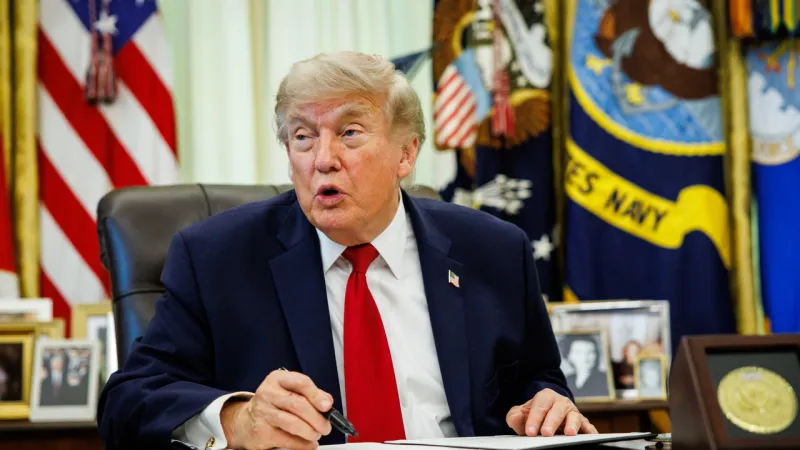
Espriella's ideological alignment, characterized by libertarian economic principles and a conservative social outlook, positions him as a strong ally for President Donald Trump's administration in the United States. President Trump previously expressed support for Espriella, as noted in reports like Trump-Backed De La Espriella Claims Colombian Presidency Amid Rightward Shift. This alignment could solidify existing anti-narcotics efforts and strengthen regional security cooperation, particularly concerning Venezuela's ongoing crisis and the broader fight against transnational organized crime.
The incoming president faces a formidable task: uniting a country deeply fractured along ideological lines. Colombia's history is replete with periods of intense political polarization, often escalating into social unrest. The current climate, exacerbated by the narrow electoral mandate, suggests that Espriella must navigate these divisions with extreme caution to avoid further destabilizing the fragile peace.
Economic revitalization forms a cornerstone of Espriella's agenda. He advocates for reducing state intervention, fostering private sector growth, and attracting foreign investment. Proponents argue these policies will spur job creation and improve living standards, while critics express concern over potential increases in inequality and the erosion of social safety nets for vulnerable populations.
On the security front, Espriella's promise of a hard hand against criminal elements resonates with many Colombians weary of violence and instability. This approach includes a robust stance against drug cartels and dissident armed groups. The effectiveness of such policies, however, will depend on their implementation and their ability to address the root causes of insecurity without infringing on civil liberties.
The regional impact of Colombia's shift is significant. As a key player in South America, its political trajectory influences neighboring nations. A right-leaning Colombia strengthens the conservative bloc in the region, potentially affecting dialogues and alliances on issues ranging from migration to environmental protection and trade agreements.
Western powers, especially the United States, will closely monitor Espriella's presidency. Colombia remains a critical strategic partner in Latin America, vital for counter-narcotics operations and maintaining regional stability against authoritarian regimes. Espriella's pro-Western stance suggests continued strong diplomatic and security ties.
Challenges extend beyond domestic politics to international scrutiny regarding human rights and environmental protection. Colombia is a nation of immense biodiversity, and its conservation efforts are globally important. Balancing economic development with ecological preservation will be a delicate act for the new administration.
Furthermore, the new administration must address the lingering issues from the 2016 peace accord with the FARC guerrillas. While the agreement largely ended decades of civil conflict, its full implementation remains incomplete, and pockets of violence persist. Espriella's approach to these accords, and to reconciliation efforts, will be pivotal in shaping the nation's future.
The declared resistance from the left indicates that the incoming government will likely face substantial opposition in the legislature and on the streets. This dynamic could lead to legislative stalemates and frequent public protests, hindering the swift implementation of Espriella's policy agenda and testing the resilience of Colombia's democratic institutions.
Observers suggest that the severity of the country's polarization demands a leader capable of bridge-building, rather than further exacerbating divisions. Espriella's initial rhetoric has been firm, appealing to his base, but the coming months will reveal his capacity to extend an olive branch to his political adversaries and seek common ground for the nation's progress.
The outcome of this election sends a clear message about the evolving political landscape in Latin America, reflecting a broader trend in some nations towards leaders promising strong governance and economic liberalization. However, the Colombian context, with its unique historical burdens, means that this shift arrives with particular caveats and heightened expectations for stability.
As the country transitions into this new political chapter, all eyes remain on Colombia. The international community watches closely, hopeful that the nation can navigate these turbulent waters peacefully and uphold its democratic principles, even as its citizens grapple with the profound implications of this tightly contested election.