 Debby Wijaya
BRUSSELS – The European Union is poised to significantly expand its economic sanctions against Russia, a strategic decision aimed at intensifying pressure on Moscow over its continued war of aggression in Ukraine. This impending move underscores the bloc's sustained commitment to undermining Russia's military and economic capabilities.
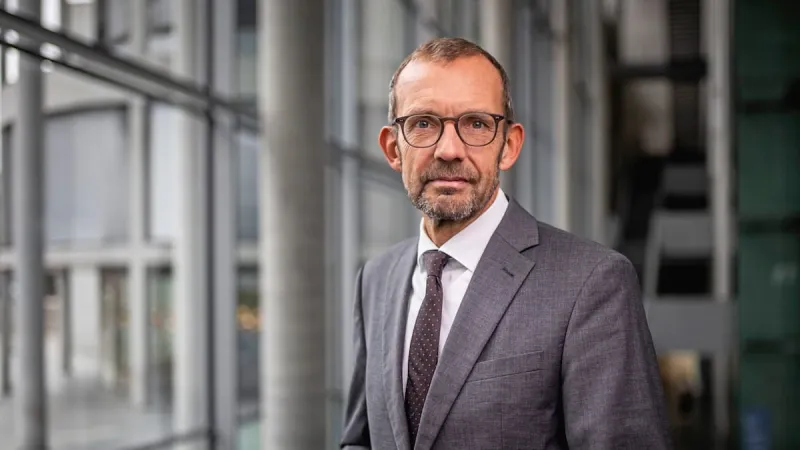
CDU defense politician Thomas Roewekamp voiced strong support for the initiative, stating, "That is, from my point of view, exactly the right step." His remarks reflect a consensus among many European policymakers that current measures require augmentation to achieve their desired impact.
The proposed expansion seeks to broaden the scope and effectiveness of punitive actions already levied against the Kremlin since the full-scale invasion commenced. EU officials are reportedly examining various sectors for potential new restrictions, including areas vital to Russia's military-industrial complex and its energy revenue streams.
Since 2022, the EU has implemented numerous packages of sanctions targeting Russia's financial institutions, key industries, high-tech components, and influential individuals. These measures have aimed to isolate Russia from the global economy and constrain its ability to fund the war.
Despite the existing framework, the conflict persists, prompting calls for more stringent and comprehensive restrictions. The EU believes that by widening the net, it can further deplete Moscow's resources and disrupt its supply chains, making the continuation of its military campaign increasingly costly.
Discussions are reportedly underway among member states to identify specific loopholes or areas where existing sanctions have proven less effective. Experts suggest new targets could include additional financial entities, commodities not yet fully sanctioned, and individuals or organizations facilitating Russia's war effort from third countries.
The move comes against a backdrop of continued hostilities and geopolitical tensions, with reports frequently highlighting the intensity of the conflict. For instance, recent events saw Ukraine Drone Barrage Strikes Moscow Warehouse Amid Military Supply Accusations, illustrating the ongoing challenges and military actions.
Further compounding the situation, a recent update indicated Moscow Claims 205 Ukrainian Drones Downed Amid Port Strikes, underscoring the relentless nature of the conflict and the constant exchange of hostilities.
Such developments reinforce the EU's resolve to maintain and escalate economic pressure. Leaders within the bloc emphasize that these sanctions are not punitive for their own sake but are instruments designed to compel Russia to cease its aggression and respect international law.
The intricate process of crafting new sanctions packages involves extensive negotiations among the 27 member states, requiring unanimity. Challenges often arise from differing national economic interests and varying levels of reliance on Russian resources or trade.
However, the consensus on the fundamental goal – to support Ukraine and exert maximum pressure on Russia – remains strong. The current diplomatic landscape suggests a renewed urgency in these discussions.
The effectiveness of sanctions is a frequently debated topic among economists and political analysts. While they rarely produce immediate policy shifts, proponents argue they exert cumulative long-term strain, weakening a nation's capacity for sustained conflict.
This expansion aligns with a broader international strategy among Western allies to impose severe economic consequences on Russia, aiming to alter its strategic calculus in the region.
As the EU moves forward with these discussions, the global community watches closely for the specific details and potential ramifications of an intensified sanctions regime on both Russia and the broader international economy.