 Chandra Wijayanto
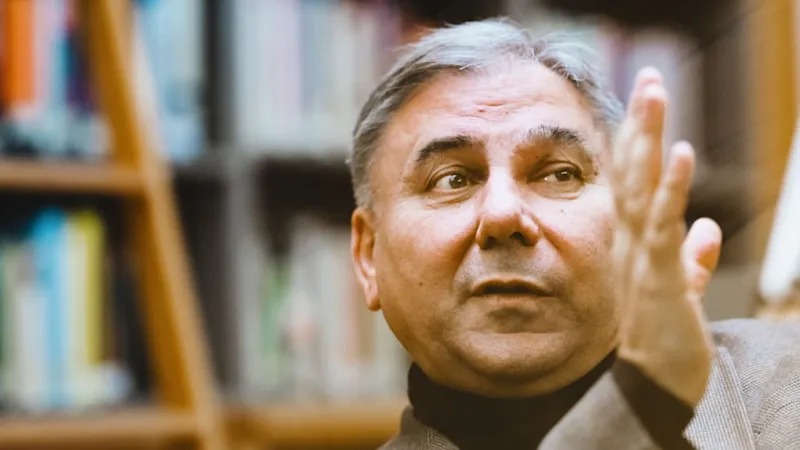
Eminent Bulgarian political scientist Ivan Krastev has issued a stark warning that Europe is poised for a “long year 2027,” projecting a period of heightened political volatility. Krastev contends that if radical forces gain significant power through impending elections, Russian President Vladimir Putin could strategically capitalize on the ensuing instability to advance his broader geopolitical agenda, directly impacting the continent's future trajectory.
Krastev, a renowned expert on post-communist transitions and European integration, emphasized that 2027 could see “nerves laid bare in European politics.” His assessment underscores a growing apprehension among analysts regarding the continent's resilience against internal fragmentation and external pressures.
The term “long year 2027” suggests more than mere temporal duration; it encapsulates the anticipated intensity and complexity of challenges Europe will confront. These include a confluence of economic anxieties, social divisions, and a shifting geopolitical landscape.
The rise of radical forces, a central pillar of Krastev's warning, refers to the increasing traction of populist, nationalist, and extremist movements across member states. These factions often champion policies that challenge established European Union norms, multilateral cooperation, and democratic institutions.
Such a political shift could lead to significant internal discord within the European Union. Disunity among member states would weaken collective decision-making, impede effective crisis response, and potentially unravel years of integration efforts.
This internal fracturing, Krastev suggests, presents a potent opportunity for external actors like Russian President Vladimir Putin. Putin has historically sought to exploit divisions within the West, viewing a weakened and fragmented Europe as advantageous to Moscow's strategic interests.
The Kremlin's increasingly assertive stance, as evidenced by its declaration that the Ukraine conflict is a real war, underscores the gravity of such a scenario. Recent reports of deadly Russian strikes across Ukrainian cities further illustrate the ongoing fragility of the regional security environment.
A key concern for 2027 revolves around a packed electoral calendar in several pivotal European nations. The outcomes of these elections could empower parties overtly critical of mainstream European policies, potentially leading to significant shifts in national and regional governance.
The potential for radical shifts in leadership in key European countries could reshape the continent's approach to critical issues, from climate policy and migration to defense spending and international alliances.
This potential fracturing could profoundly impact the North Atlantic Treaty Organization, already navigating complex dynamics following President Trump's outspoken criticisms and demands regarding alliance contributions. A less unified Europe would inevitably complicate NATO's collective defense capabilities and strategic coherence.
Furthermore, a weakened Europe might struggle to maintain its influential role on the global stage, impacting its ability to address international crises, champion human rights, and uphold multilateral agreements.
Krastev's warning serves as a clarion call for European leaders to fortify democratic resilience and foster greater unity. It emphasizes the necessity of proactive strategies to counter disinformation campaigns and address the root causes of public disillusionment that often fuel radical movements.
Analysts suggest that bolstering economic stability and ensuring equitable growth across the continent are crucial steps to mitigate the appeal of extremist narratives. A secure and prosperous citizenry is less susceptible to divisive political rhetoric.
Ultimately, the future of European politics hinges on the ability of its institutions and leaders to navigate this complex web of internal and external threats. Krastev's foresight demands serious consideration as the continent approaches a potentially defining year.