Angela Stefani
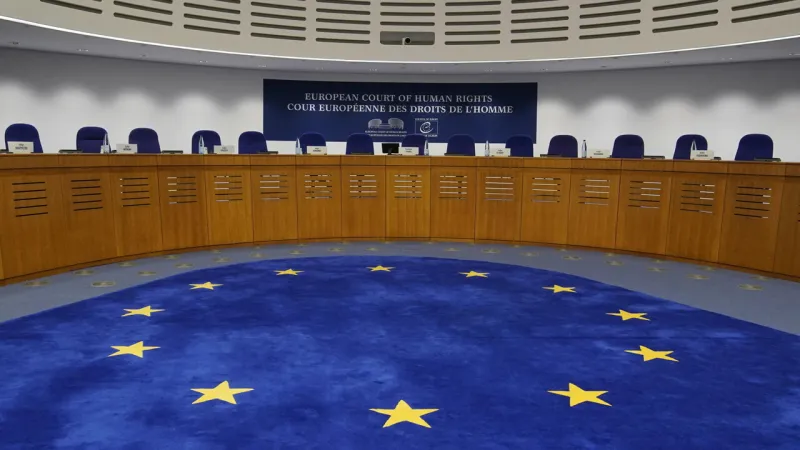
STRASBOURG, France – The European Court of Human Rights (ECHR) has unequivocally condemned an Italian prosecutor's controversial statement suggesting it is normal for a man to overcome a woman's resistance for sex, labeling the judicial pronouncement as both sexist and stereotypical. This significant ruling came after a French woman, the victim in the original case, challenged the judicial proceedings, thereby placing Italy's legal framework under international scrutiny regarding gender bias.
The prosecutor, whose identity remains unspecified in the initial reports, made the highly contentious assertion during a legal proceeding in Italy. The exact context of the original trial is not detailed, but the ECHR's intervention highlights a systemic concern regarding how gender dynamics are perceived and addressed within the judiciary.
The core of the ECHR's condemnation stems from the prosecutor's statement: "It is normal for a man to have to overcome some resistance for sex." The court found this specific language to be deeply problematic, contributing to an environment that could potentially normalize non-consensual acts or diminish the gravity of sexual offenses.
The European Court of Human Rights, an international judicial body responsible for safeguarding human rights across its member states, declared the statement "sexist and stereotypical." This classification underscores the ECHR's commitment to upholding principles of equality and non-discrimination, particularly within legal contexts where power imbalances can heavily influence outcomes.
The case involved a French woman who had been the victim of an undisclosed offense. Her pursuit of justice ultimately led to the ECHR, signaling her profound disagreement with how the matter was handled at the national level, specifically concerning the prosecutor's framing of sexual interaction.
Legal experts suggest that such judicial pronouncements can have a chilling effect on victims, potentially deterring them from reporting sexual violence or seeking legal redress if they perceive the system to be biased against them. The ECHR's stance serves as a crucial reminder for judicial systems globally to adhere strictly to principles of gender neutrality and victim protection.
The ECHR's ruling is binding on Italy and mandates that the country take appropriate measures to address the underlying issues that led to the prosecutor's comment. This could involve judicial training programs, reviews of prosecutorial guidelines, or broader reforms aimed at eradicating gender bias from legal practice.
While the specific details of the initial Italian court decision remain opaque based on available information, the European Court's unequivocal condemnation sends a strong message. It reinforces the principle that judicial officers must exercise their duties with impartiality and without resorting to harmful stereotypes that undermine the dignity and rights of individuals.
This decision marks another instance where international human rights bodies have intervened to correct national judicial practices deemed to fall short of international standards. It contributes to a growing body of jurisprudence emphasizing the need for judicial systems to be free from prejudice and to uphold the equal rights of all citizens.
The ramifications of this ruling extend beyond Italy, serving as a cautionary tale for all European Union member states and beyond. It highlights the ongoing struggle to dismantle entrenched gender stereotypes within societal institutions, particularly those entrusted with administering justice. The ECHR's decisive action underscores that judicial sexism will not be tolerated. This verdict strengthens the global call for judicial systems to uphold fairness and equity for all, ensuring that victim experiences are acknowledged and respected without prejudice.