 Angel Doris
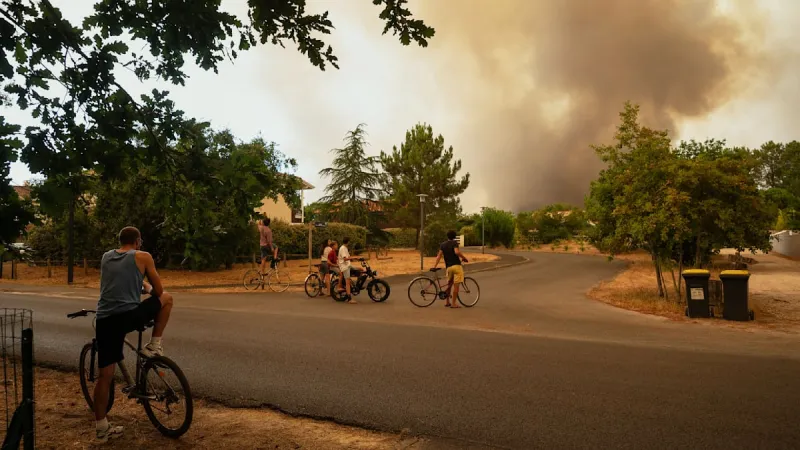
Paris, Madrid, and Rome are observing a critical escalation in the fight against devastating wildfires currently sweeping across vast swathes of France, Spain, and Italy. Emergency services are relentlessly battling the blazes, which have forced the evacuation of thousands of residents and laid waste to tens of thousands of hectares of land in a burgeoning environmental crisis for Southern Europe.
The sheer scale of destruction is becoming increasingly apparent, with ash settling on residential areas, including caravans and childrens temporary tents, underscoring the immediate threat to life and property. Communities remain on high alert as the infernos show little sign of abatement, exacerbated by persistent dry conditions and soaring temperatures.
In France, the situation is particularly dire, with major outbreaks demanding extensive resources. Authorities there have initiated several large-scale evacuations, moving people from affected zones to safety. Previously, a massive Gironda wildfire forced 20,000 evacuations across France, setting a precedent for the rapid, decisive action now being taken.
Neighboring Spain is likewise grappling with its own relentless conflagrations. Firefighters, supported by military units, are working around the clock to contain the advancing flames, which have consumed significant portions of forests and agricultural land. The regional governments have declared emergency protocols, prioritizing human safety above all.
Italy faces a similar plight, particularly in its southern regions and islands, where the intense heat and strong winds fuel the rapid spread of fires. Local reports detail widespread destruction of natural habitats and critical infrastructure, adding to the mounting economic and environmental toll.
For many residents, the experience is one of profound loss and uncertainty. Evacuees describe scenes of panic and hasty departures, leaving behind homes and livelihoods under threat. The emotional impact on affected families is immeasurable, as they await news on the fate of their properties.
Beyond the immediate human cost, the environmental ramifications of these European wildfires are catastrophic. Vast ecosystems, crucial for biodiversity, are being irrevocably damaged. The release of immense quantities of carbon dioxide into the atmosphere also contributes significantly to air pollution and exacerbates global climate concerns.
Emergency response teams, comprising firefighters, civil protection units, and volunteers, face immense challenges. The geographical spread of the blazes, coupled with difficult terrain and unpredictable weather patterns, strains resources and personnel to their limits. International cooperation remains a vital element in managing these trans-border environmental disasters.
Scientists and environmental experts link the increasing frequency and intensity of these wildfires to long-term climate change trends. Southern Europe, a region historically susceptible to summer droughts, experiences longer and hotter dry spells, creating ideal conditions for these destructive events to ignite and spread with unprecedented ferocity.
As the battles continue, authorities warn that the wildfire season is far from over, urging vigilance and adherence to preventative measures. The long-term recovery and reforestation efforts will span years, marking a significant undertaking for the affected nations as they confront the evolving realities of a warming planet.