 Angela Stefani
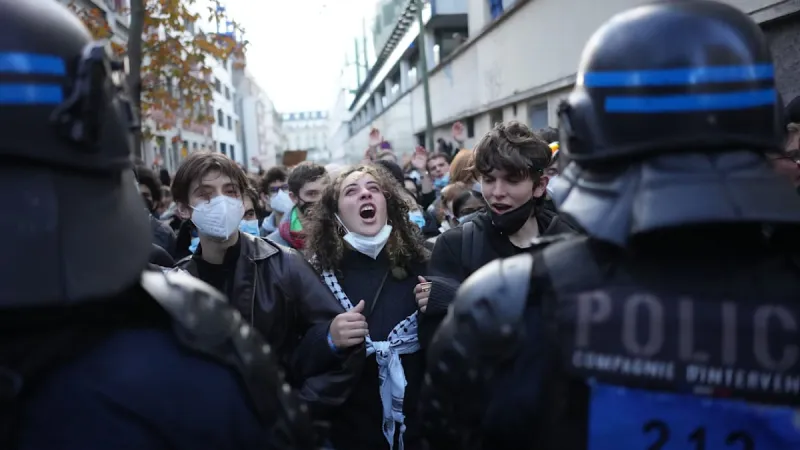
Paris, France – A new wave of nationwide protests is poised to engulf France as a coalition of trade unions, youth organizations, and the resurgent Yellow Vests movement calls for widespread demonstrations. These planned actions aim to pressure the government over surging living costs and demands for fundamental reforms within the national education system, signaling a potential escalation of social unrest across the country.
The announcement comes amidst persistent public discontent regarding economic hardship, a sentiment that has simmered for months. Organized labor groups have voiced frustration over stagnant wages failing to keep pace with inflation, particularly impacting essential goods and energy prices.
Youth organizations have joined the chorus, advocating for significant changes to the education system. Their demands range from increased funding for public institutions to curriculum reforms that better prepare students for the contemporary job market.
The re-emergence of the Yellow Vests movement adds another layer of complexity. Known for their disruptive direct action and ability to mobilize citizens from diverse socio-economic backgrounds, their involvement suggests a broad-based challenge to established political authority.
WELT-Reporter Thorsten Kremers, reporting from Paris, observes a palpable tension building across the capital. Streets typically bustling with daily commerce are now also focal points for organizing activists, reflecting the deep-seated grievances many French citizens hold.
The government of President Emmanuel Macron faces a delicate balancing act. While acknowledging economic pressures, officials have consistently emphasized fiscal responsibility and structural reforms as pathways to long-term stability. The current protests could test the administration's resolve and capacity for public engagement.
Historically, France has a rich tradition of public demonstration as a mechanism for political expression and social change. From the student movements of 1968 to the recent pension reform protests, mass gatherings frequently shape the national discourse.
This latest surge of activism draws parallels with previous periods of profound social unrest, where demands for economic justice and greater equity fueled sustained public mobilization. The scope and scale of these impending demonstrations remain a critical watch point for analysts.
Economists warn that prolonged disruptions could further strain France's post-pandemic recovery efforts. Businesses, especially in the retail and tourism sectors, often bear the brunt of large-scale protests, experiencing revenue losses and operational challenges.
The call for action extends beyond immediate economic relief, touching upon deeper societal anxieties about access to opportunity and the future trajectory of the nation. Education, a cornerstone of French republican values, represents a particularly sensitive area for reform.
Other European nations are also grappling with similar challenges of public discontent. For instance, in Germany, a lawmaker recently urged Generation Z to take to the streets, highlighting a broader continental trend of citizens demanding more responsive governance.
The unified front presented by unions, youth, and the Yellow Vests suggests a concerted effort to maximize impact. Their collective power could compel the Macron administration to reconsider aspects of its economic and social agenda.
Authorities are preparing for potential disruptions, with security measures likely to be enhanced in major urban centers. The coming days will reveal the extent of public participation and the government's initial response to this renewed challenge.
The situation underscores a recurring theme in modern European politics: the tension between governmental efforts towards fiscal prudence and popular demands for immediate relief and social justice. France once again finds itself at a critical juncture in this ongoing debate.
The global economic landscape, marked by supply chain issues and geopolitical instability, contributes to the inflationary pressures felt by French households. These external factors compound domestic policy challenges, making resolution complex.
Observers will closely monitor the scale and intensity of these demonstrations to gauge their potential to reshape the political agenda in France and influence future policy decisions. The stakes remain high for both the protestors and the government.