Chris Robert
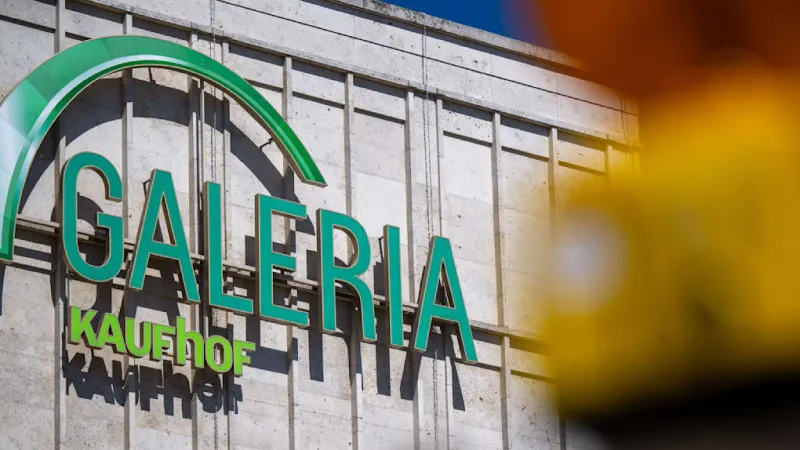
BERLIN - Galeria, Germany's struggling department store chain, has secured a new credit line valued at up to 160 million euros, offering a vital financial lifeline amidst its ongoing struggle for solvency. Despite this substantial capital injection, the formidable cost of the agreement includes a rigorous store screening process that foreshadows a wave of additional closures across the nation, casting a somber shadow over the future of the iconic retailer.
The credit facility, a crucial component of Galeria Karstadt Kaufhofs broader restructuring strategy, aims to stabilize the company and provide necessary operating capital. However, the accompanying conditions underscore the severe challenges the traditional retail behemoth continues to confront in a rapidly evolving market landscape.
Industry observers note that the new credit line, while significant, is contingent upon a strict implementation of a recovery plan. This plan meticulously scrutinizes the viability of each Galeria outlet, indicating that only the most profitable or strategically important locations will be spared closure.
For employees, the news presents a bittersweet reality. While the lifeline prevents immediate collapse, the prospect of further job losses looms large. Worker representatives have expressed concerns regarding the transparency and fairness of the upcoming store evaluations, emphasizing the human cost of corporate restructuring.
Galeria has navigated multiple insolvency proceedings in recent years, each requiring substantial financial injections and concessions from creditors and landlords. This latest development suggests that previous efforts, while staving off complete dissolution, have not fully resolved the underlying structural issues.
The German retail sector has been particularly susceptible to the rise of e-commerce and changing consumer behaviors. Traditional brick-and-mortar establishments, especially large department stores, grapple with reduced foot traffic and intense competition from online retailers and specialized boutiques. This trend places considerable pressure on companies like Galeria to innovate or consolidate.
Local municipalities, already contending with financial strain, could face significant economic impacts from additional Galeria closures. Department stores often serve as anchor tenants in city centers, and their departure can lead to decreased vibrancy and further business exodus. This concern is amplified when considering broader economic pressures impacting local governance, as highlighted in reports such as Germany's Municipalities Bleed Cash: Funding Reform Urgently Needed.
The strategic screening of branches, often referred to as Filialscreening in German business parlance, is a stark reminder of the harsh realities facing established retailers. It implies a detailed financial and operational assessment of each location to determine its long-term viability within the revamped Galeria portfolio.
The company's leadership has yet to publicly detail the exact number of stores slated for closure or the timeline for such decisions. However, the language surrounding the new credit facility leaves little doubt that significant consolidation is inevitable. This move is intended to streamline operations, reduce overheads, and create a leaner, more competitive entity.
This ongoing struggle also illustrates a broader trend in European retail, where heritage brands are fighting to adapt. The landscape of German fashion and retail has seen fierce competition, with new players challenging established giants, as explored in articles like Lager 157 Challenges H&M in Germany's Budget Fashion Battle.
As Galeria embarks on this latest, critical phase of its restructuring, the future remains uncertain. The 160 million euro credit line buys the company time, but it comes with the difficult mandate of significant contraction, aiming to secure a sustainable, albeit smaller, footprint in Germany's competitive retail market.