 Angel Doris
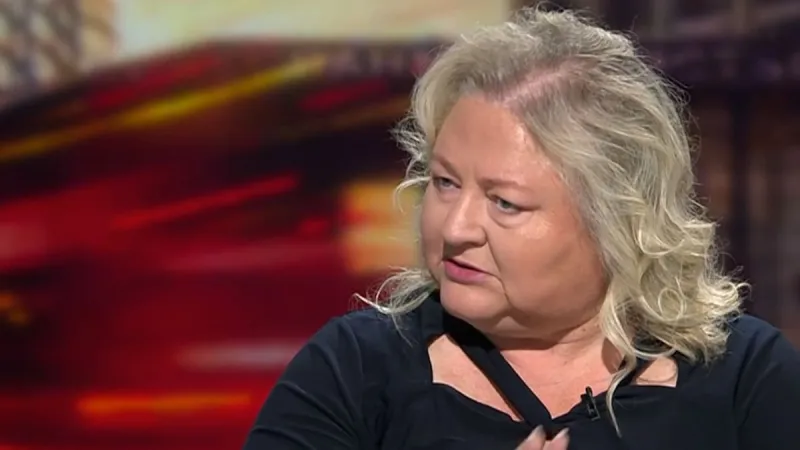
BERLIN — Political consultant Antje Hermenau sharply criticized the ongoing Saxony-Anhalt election campaign, asserting that established parties are employing an exaggerated defensive posture indicative of democratic fear. Speaking on the program Meinungsfreiheit, Hermenau warned such tactics risk fostering a defiant voter reaction.
Hermenau characterized the current campaign rhetoric as “All these desperate, strange things, they smell and stink of fear of democracy.” This blunt assessment highlights a perceived anxiety among traditional political forces in the face of shifting electoral landscapes.
The consultant's remarks underscore growing concerns about the tenor of political debate in Germany, particularly in regions like Saxony-Anhalt, which has experienced significant political shifts in recent years. The state frequently serves as a barometer for broader national sentiments.
Her criticism focuses on what she views as an overzealous defensive strategy by mainstream parties. This approach, intended to safeguard their positions, paradoxically might alienate a segment of the electorate rather than consolidate support.
Analysts suggest this defensiveness could stem from the rising influence of alternative parties and the increasing volatility of voter preferences. Established groups grapple with maintaining their appeal amidst demands for new solutions and greater accountability.
Hermenau explicitly links this defensive posture to a “fear of democracy,” implying that traditional parties are struggling to adapt to a more pluralistic and unpredictable political environment. Such fear, she suggests, undermines democratic principles of open engagement.
The anticipated “defiant reaction” from voters suggests a potential backfire for parties adopting these tactics. Instead of securing loyalty, their strategies may inadvertently galvanize voters toward protest votes or increased cynicism regarding the political process.
This dynamic is particularly pertinent in states like Saxony-Anhalt, where socioeconomic factors and historical contexts often contribute to unique political landscapes. Voter sentiment here can diverge significantly from national trends, as seen in previous regional elections.
The program Meinungsfreiheit, where Hermenau made her comments, often hosts critical discussions on the state of public discourse and democratic values. Her appearance further elevates the debate surrounding the health of political communication.
Critics of such campaign methods argue that they detract from substantive policy discussions, instead focusing on identity politics or character attacks. This shift can leave voters feeling unheard and unrepresented by the mainstream.
The consultant's observations align with broader concerns among political scientists who study the erosion of trust in democratic institutions when parties prioritize perceived threats over genuine public engagement.
Maintaining open dialogue and addressing voter anxieties directly, rather than through what Hermenau describes as desperate measures, is crucial for fostering a robust and resilient democracy.
The outcome of the Saxony-Anhalt election will offer significant insight into the effectiveness of these controversial campaign strategies and the prevailing mood among German voters.
Political observers will closely monitor whether voter turnout and party affiliations reflect Hermenau's prediction of a defiant reaction, potentially reshaping the regional political map.
The challenge for established parties lies in calibrating their message to address voter concerns without resorting to tactics that appear to fear democratic outcomes or the legitimate expression of diverse opinions.
As the election approaches, the intensity of the political discourse in Saxony-Anhalt will continue to be a focal point, drawing national attention to the evolving nature of German politics.