 Robert Andrison
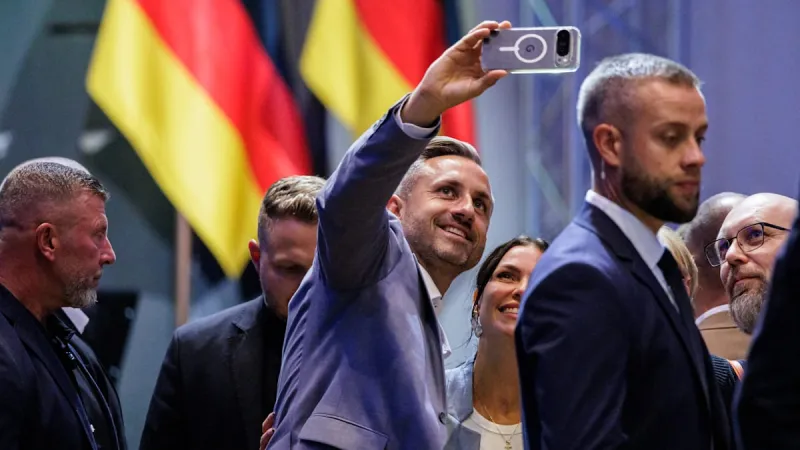
Magdeburg, Saxony-Anhalt – Ulrich Siegmund, the Alternative for Germany (AfD) party's leading candidate, is currently galvanizing significant support across Saxony-Anhalt, drawing notably large crowds as the election campaign intensifies. Siegmund effectively portrays himself as a relatable, populist figure, reminiscent of a political popstar, attracting a substantial following in this German federal state.
His campaign appearances are consistently met with lengthy queues of supporters, eager to hear the message from the man many perceive as a direct voice for their concerns. This phenomenon underscores a broader trend of growing populist sentiment within the region, positioning Siegmund as a pivotal, if controversial, figure in the upcoming political contest.
The AfD has experienced a significant surge in popularity in eastern German states like Saxony-Anhalt, challenging the established political order. This rise is not isolated; neighboring regions have witnessed similar shifts, as highlighted by articles such as Saxony's AfD Surge Signals Germany's Urgent Political Crossroads.
Siegmund's ability to connect with voters appears rooted in his carefully cultivated image. He shuns traditional political formality, opting instead for a more direct, accessible approach that resonates deeply with an electorate often feeling disenfranchised by mainstream parties. This strategy fosters a perception of authenticity that distinguishes him from many political adversaries.
Despite his popular appeal, Siegmund and the AfD face considerable criticism from established political parties and economic leaders. Concerns about the party's policies and potential impact on governance and the economy have been voiced at the highest levels.
For instance, the Siemens Energy CEO previously warned about the dramatically flawed economic policies proposed by the AfD, a sentiment echoed by other industry leaders. These warnings underscore the perceived risks associated with the AfD's ascendancy.
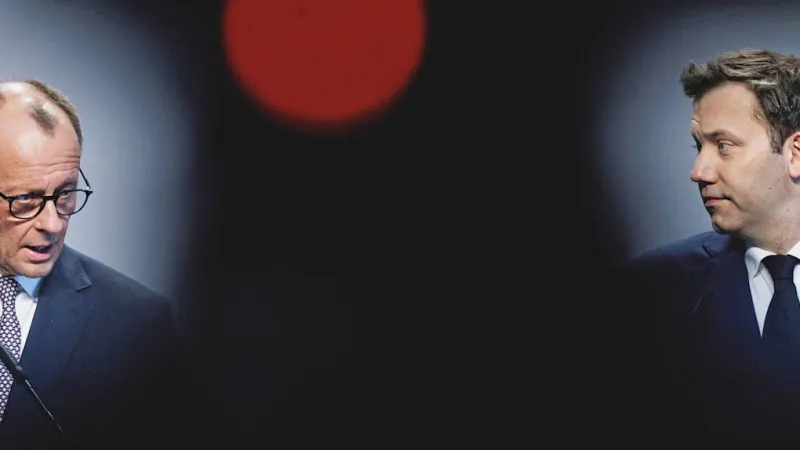
Senior political figures, including Chancellor Merz, have issued stark warnings against the AfD's growing influence in Saxony-Anhalt, underscoring the federal government's apprehension. These warnings suggest a deepening political divide and highlight the potential for Federal Threats Loom Over Saxony-Anhalt Election Outcomes, should the AfD gain significant power.
The sheer volume of attendees at Siegmund's rallies is a striking visual testament to his growing traction. These gatherings are characterized by an almost fervent energy, signaling a strong emotional investment from his supporters. This palpable enthusiasm is a critical factor distinguishing his campaign from those of his rivals.
Observers note a parallel between Siegmund's campaigning style and that of other populist leaders globally who have successfully tapped into public frustration. His rallies often double as platforms for articulating grievances against current national and international policies, thereby solidifying his image as a champion of the common person.
Siegmund's surge forces other parties to recalibrate their strategies, as they contend with a powerful populist force. The political discourse in Saxony-Anhalt has visibly shifted, with issues championed by the AfD gaining increased prominence on the public agenda. This dynamic intensifies the electoral battleground.
The question remains whether Siegmund's current momentum will translate into substantial electoral gains. While the crowds are undeniable, the complex political landscape of Germany, marked by coalition governments and nuanced voter demographics, presents a challenging path for any single party to achieve absolute dominance.
Economic concerns, such as rising fuel prices and the general cost of living, are frequently cited by AfD supporters as primary motivations for their backing. Siegmund capitalizes on these anxieties, presenting the AfD as the only party capable of addressing the economic hardships faced by ordinary citizens.
The situation in Saxony-Anhalt is viewed by many as a barometer for the broader political mood in Germany. The AfD's performance here could indicate future trends in other state elections and potentially influence national political dynamics. The party's ability to govern effectively, however, has been questioned, particularly regarding financial autonomy, as explored in AfD Governance: Germany's States Immune to Federal Funding Cuts?.
While specific details about Siegmund's political career prior to becoming a leading candidate are less prominent in the source data, his current public presentation is clearly designed to evoke a sense of trust and directness. He projects an image of someone deeply understanding local issues, rather than a detached political elite.
Media outlets, both domestic and international, have closely monitored Siegmund's campaign, often highlighting the dichotomy between his grassroots appeal and the controversies surrounding his party's stance on immigration, European integration, and climate policy. This scrutiny shapes public perception, both positively and negatively.
Siegmund's engagement tactics extend beyond traditional rallies, often incorporating direct interactions with voters, social media presence, and local community events. This multi-faceted approach aims to maximize visibility and reinforce his connection with a diverse demographic of potential voters across the state.
Ultimately, the phenomenon surrounding Ulrich Siegmund in Saxony-Anhalt represents more than just a successful individual campaign; it symbolizes a critical juncture in German politics, where populist movements continue to gain traction, reshaping electoral expectations and challenging long-held political norms.