 Debby Wijaya
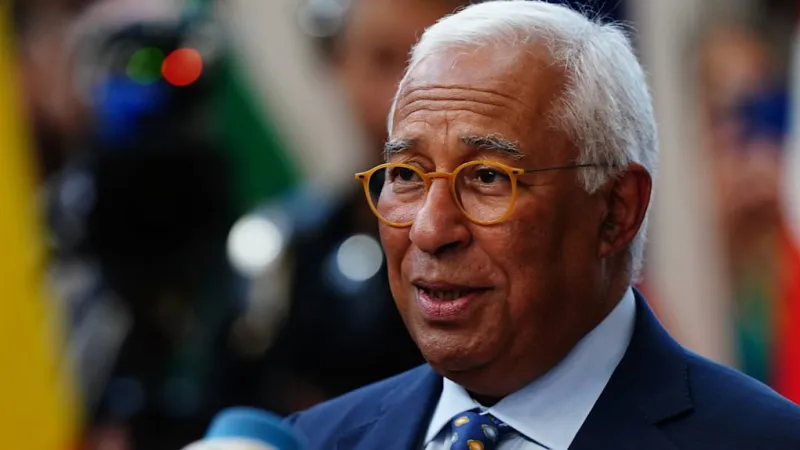
BRUSSELS – European Union Council President Costa has initiated controversial contacts with Moscow to explore potential negotiations regarding the ongoing conflict in Ukraine, a move that immediately ignited a fierce dispute among EU member states during a recent summit. The outreach, aimed at fostering dialogue for peace, has drawn significant criticism, particularly from German government circles, who have labeled it a clear affront to established diplomatic protocol and unity.
This unexpected diplomatic overture by President Costa diverged sharply from the EU's long-standing policy of presenting a united front against Russia's aggression in Ukraine. For months, the bloc has maintained a firm stance, emphasizing sanctions and robust support for Kyiv, making any direct, high-level engagement with Moscow a highly sensitive proposition.
The immediate fallout at the EU summit underscored deep divisions within the 27-nation alliance. Sources privy to the closed-door discussions described heated exchanges, with several national leaders expressing bewilderment and frustration over what they perceived as a unilateral action by the Council President.
German government officials, speaking anonymously due to the sensitivity of the matter, conveyed particular indignation. One senior German diplomat described the move as an affront to our collective strategy and the principles we have steadfastly defended regarding Ukraine. This sentiment reflects a broader concern that such individual initiatives risk undermining the EU's carefully constructed position.
President Costa's office, in a brief statement, defended the outreach as a necessary exploration of all avenues for peace. A spokesperson emphasized the Council President's role in facilitating dialogue and seeking solutions to intractable conflicts, maintaining that exploratory contacts do not equate to a shift in official EU policy or recognition of Russia's actions.
However, critics argued that even exploratory talks, especially without broader consensus or prior consultation, send mixed signals to both Kyiv and Moscow. They fear it could be interpreted by Russia as a sign of weakening European resolve, potentially emboldening further aggressive actions rather than paving the way for genuine peace.
The timing of these contacts is also a point of contention. With the conflict in Ukraine continuing to exact a heavy toll, and with Moscow hardliners urging nuclear responses in various contexts, the delicate diplomatic landscape requires extreme caution, according to several EU diplomats.
The core of the dispute centers on the principle of common foreign and security policy. Member states, especially those geographically closer to the conflict, insist that any engagement with Russia on such a critical issue must be a coordinated effort, reflecting the collective will and strategic interests of the entire Union.
This episode highlights the inherent tension between the need for decisive leadership from the EU Council President and the imperative for consensus among sovereign member states on matters of vital national security. It poses a significant challenge to the bloc's ability to project a unified stance on the global stage.
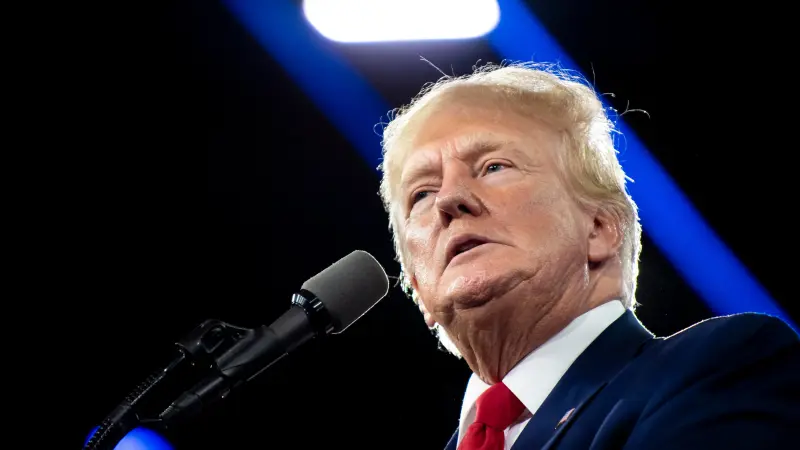
Analysts suggest this internal discord could weaken the EU's leverage in future international negotiations and potentially strain relations with key allies, including the United States under President Donald Trump, who has consistently championed a strong, united front against Russian aggression.
The path forward for the EU remains uncertain. Calls for greater transparency and stricter adherence to consultative processes are expected to dominate subsequent meetings. The incident has thrust the mechanisms of EU foreign policy decision-making into an intense spotlight, demanding a swift resolution to prevent further fragmentation.