 Demian Sahputra
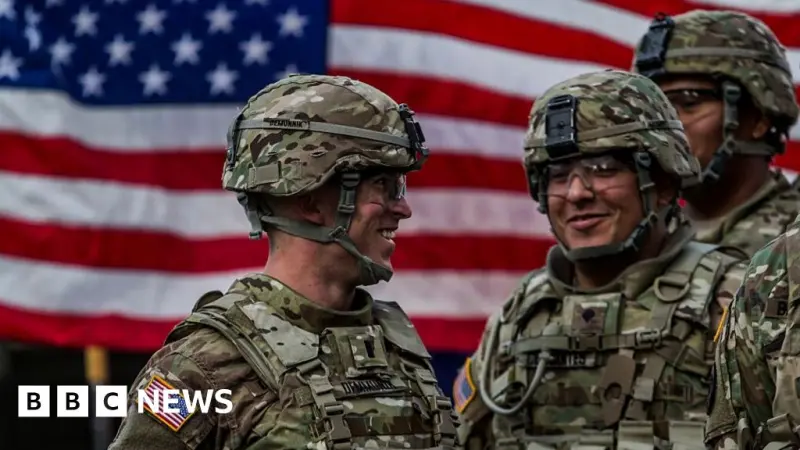
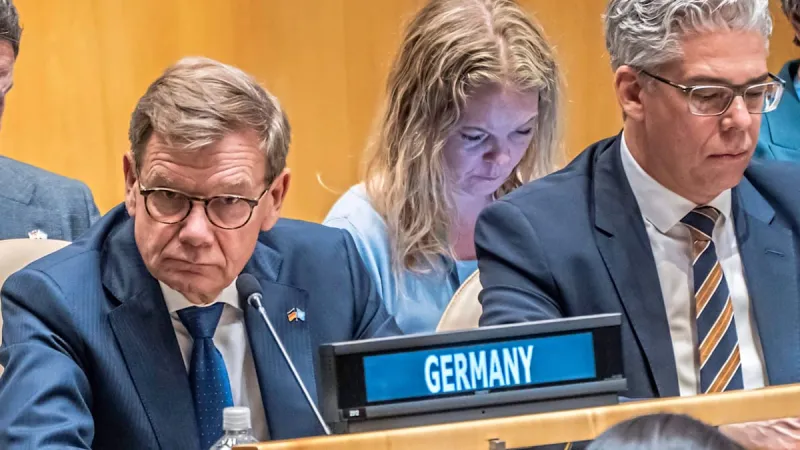
BERLIN — German defense officials on Monday indicated that a significant withdrawal of United States troops from the country is becoming increasingly foreseeable, prompting a strong call from NATO allies for clarification on the future operational capabilities and strategic posture in Europe.
Defense Minister Boris Pistorius stated that while no formal notification had been received, Germany must pragmatically prepare for various scenarios concerning the long-term US military presence. This acknowledgment marks a critical juncture in transatlantic defense planning, underscoring evolving security dynamics.
NATO headquarters in Brussels swiftly responded, with Secretary General Jens Stoltenberg emphasizing the necessity of transparent communication regarding such impactful decisions. Alliance members expressed concern over the potential destabilizing effect of a unilateral troop redeployment without extensive prior consultation.
President Donald Trump has consistently advocated for European allies to increase their defense spending and assume greater responsibility for their own security. His administration has previously hinted at reassessing US troop levels abroad, citing burden-sharing disparities within the alliance.
The prospect of a substantial reduction in US forces reignites debates over Europe's strategic autonomy and its capacity to manage regional threats, particularly from an assertive Russia. Analysts suggest this development could accelerate efforts toward a more integrated European defense framework.
Currently, Germany hosts approximately 35,000 US service members, a cornerstone of NATO's collective defense architecture since the Cold War. These forces serve as a critical logistical hub and staging area for US operations across Europe, Africa, and the Middle East.
Sources within the German government, speaking on background, revealed that internal discussions have intensified regarding the economic and security implications of such a withdrawal. The presence of US bases contributes significantly to local economies and provides specialized military infrastructure.
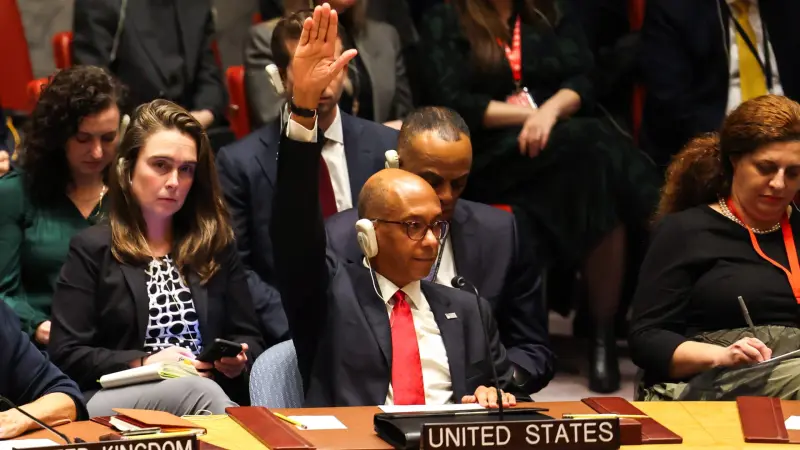
Diplomatic channels between Washington, Berlin, and Brussels are now reportedly working overtime to understand the scope and timeline of any potential US strategy shift. NATO members seek assurances that any adjustments will align with the alliance's collective security interests.
The transatlantic alliance has navigated periods of strain before, but the current climate demands a unified front in the face of complex global challenges. The calls for clarity from NATO underscore the alliance's commitment to maintaining its deterrent capabilities.
Security experts note that a significant reduction in US boots on the ground would necessitate a comprehensive reevaluation of force distribution and readiness across the European theater. This could involve repositioning assets or increasing contributions from other member states.
This development comes amidst heightened global tensions, further emphasizing the need for cohesive and predictable defense policies among allies. The clarity sought by NATO is crucial for long-term strategic planning and maintaining regional stability.
German officials maintain that robust dialogue with the United States remains paramount. They stress the importance of preserving the strong bilateral relationship and the mutual security benefits derived from a shared defense commitment.