 Dorry Archiles
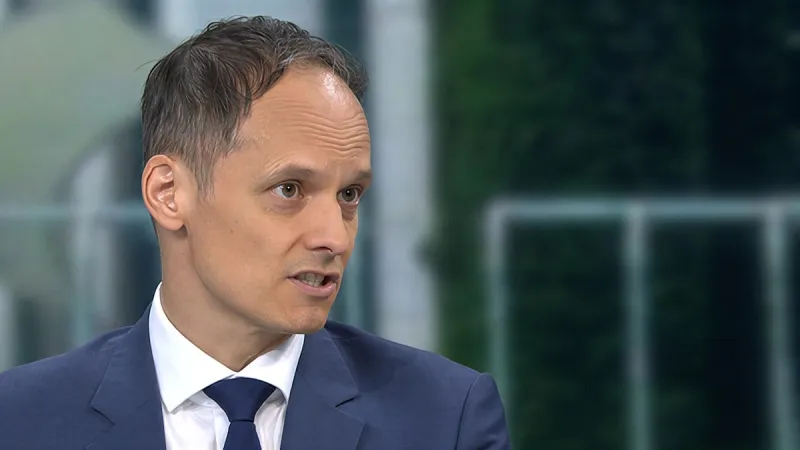
BERLIN – Markus Mempel, spokesman for the prestigious German County Association (Deutscher Landkreistag), has issued a compelling call for significantly stricter controls on social benefit claims, particularly targeting alleged abuse within the minijob sector, especially by individuals from other European Union countries. His remarks highlight a growing concern that the current system allows for a disproportionate combination of low-wage work and state welfare, potentially leading to widespread social benefit fraud.
Mempel articulated his concerns, stating, "A minijob in Germany is enough for supplementary citizens benefits." This observation underscores a perceived loophole where individuals can earn a minimal income from a minijob while simultaneously qualifying for substantial Bürgergeld, Germany's core social welfare payment. The spokesman suggests that this arrangement may inadvertently incentivize a reliance on state support rather than pursuing full-time employment.
The core of Mempel's proposal centers on reevaluating the very definition of an employee within the German system. He advocates for a much higher threshold for this concept, suggesting that current definitions might be too broad, enabling individuals to claim extensive benefits despite only minimal engagement in the labor market through a minijob.
Minijobs, traditionally a flexible form of employment allowing earnings up to 520 euros per month without significant tax or social security contributions, are popular among students, retirees, and those seeking supplementary income. However, critics argue that the system can be exploited, particularly when combined with robust social welfare provisions like Bürgergeld.
The discussion around minijobs and social welfare is not new. Germany has long grappled with balancing generous social provisions with incentives for labor market participation. The introduction of Bürgergeld in 2023, replacing Hartz IV, aimed to simplify and enhance welfare payments, but also brought renewed scrutiny to the mechanisms of benefit distribution.
Mempel's pointed focus on individuals from EU-abroad touches upon the complexities of free movement within the European Union. While EU citizens have the right to live and work in Germany, their access to social welfare benefits has been a recurring point of contention, particularly concerning the potential strain on national welfare systems.
This push for tighter controls aligns with broader governmental efforts to streamline social spending and ensure the integrity of public funds. Debates on similar issues, such as those surrounding sick leave regulations, illustrate an ongoing governmental drive to optimize the national workforce and welfare structures. The discussion over Germany's proposed stricter sick leave rules recently sparked a significant workforce debate, indicating a wider trend of reevaluating existing social policies.
Raising the threshold for the employee concept could have far-reaching implications. It might lead to a reclassification of many currently defined minijobs, pushing employers to offer more substantial employment contracts or face increased administrative burdens. For individuals, it could mean a reduction in supplementary benefits if their employment status no longer qualifies them under revised criteria.
Opponents of such a measure might argue that it unfairly targets vulnerable populations or those genuinely reliant on minijobs for supplemental income, such as single parents or individuals with limited work capacity. Trade unions and social advocacy groups are likely to scrutinize any changes that could potentially reduce social safety nets.
The German government, under Chancellor Olaf Scholz, has repeatedly affirmed its commitment to both maintaining a strong social welfare state and ensuring its sustainability. Any reform addressing minijob regulations and social benefits would require careful navigation through the Bundestag and Bundesrat, balancing fiscal responsibility with social equity.
This initiative by the German County Association is expected to ignite significant political and public discourse. It represents a direct challenge to the current framework of minijobs and social benefit distribution, potentially paving the way for legislative proposals aimed at curbing what proponents describe as rampant social benefit fraud and ensuring a more equitable system for all German taxpayers. The outcome of this debate will undoubtedly shape the future of Germany's social welfare landscape and its approach to labor market integration for both domestic and international workers.