 Debby Wijaya
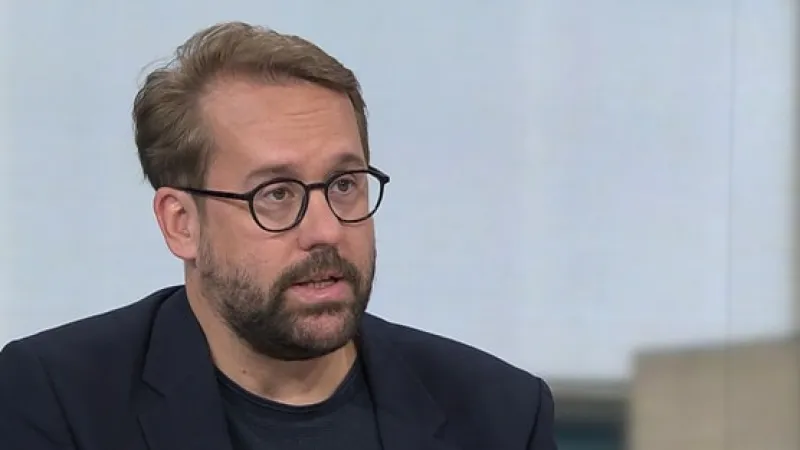
BERLIN – Intense internal debates within Germany's Christian Democratic Union (CDU) question whether party leader Friedrich Merz possesses the necessary attributes to become Chancellor, according to Paul Ronzheimer, deputy editor-in-chief of Bild. This scrutiny comes amidst an ongoing power struggle, prompting speculation that Merz intends to swiftly resolve these leadership discussions, potentially through an upcoming presidium meeting.
Paul Ronzheimer highlighted the persistent nature of these internal discussions, suggesting they represent a fundamental inquiry into Merz’s capability to lead the nation. “I think Merz will now try to end this debate – perhaps even with the presidium meeting,” Ronzheimer stated, underscoring the urgency perceived within the party’s hierarchy.
The challenge to Friedrich Merz’s potential chancellorship is not an isolated incident but rather a symptom of deeper anxieties within the CDU regarding its future direction and electoral viability. The party, historically a dominant force in German politics, has grappled with leadership transitions and defining its contemporary identity following the long tenure of former Chancellor Angela Merkel.
Merz, a seasoned politician with a background in corporate finance, returned to frontline politics with the stated ambition of revitalizing the CDU. His ascent to party leadership in 2022 was seen by many as a decisive shift towards a more conservative and economically focused agenda for the party.
However, his leadership has been marked by a continuous struggle to unite various factions within the CDU and to consistently resonate with a broad swathe of the German electorate. Public opinion polls have often reflected lukewarm support for his Chancellery aspirations, fueling the very debates now simmering internally.
The discussions center on a critical question: Can Friedrich Merz effectively bridge the gap between traditional conservative values and the demands of a rapidly evolving modern society? Critics within the party reportedly question his appeal beyond a core conservative base, particularly among younger voters and those in urban areas.
The political landscape in 2026 Germany remains complex, with the current coalition government facing its own set of challenges. This environment presents both opportunities and pitfalls for the CDU, making the choice of its Chancellor candidate supremely consequential for the party’s fortunes in the next federal election.
Sources close to the CDU presidium indicate that Merz views the upcoming meeting as a critical juncture. It represents an opportunity to consolidate support, assert his authority, and put an end to the lingering doubts that threaten to undermine his position as the presumptive Chancellor candidate.
The stakes are exceptionally high for Friedrich Merz. Failure to decisively address these internal debates could further destabilize his leadership, potentially opening the door for alternative candidates to emerge from within the CDU ranks, or even its Bavarian sister party, the Christian Social Union (CSU).
The outcome of this internal reckoning will have significant implications not only for the CDU’s electoral strategy but also for Germany’s political stability. A strong, unified CDU leadership is often perceived as a cornerstone of German governance and its role within the European Union.
Germany's leadership also holds considerable sway on the international stage, as evidenced by its commitment to global security initiatives. For instance, recent developments saw Germany, Netherlands Forge Joint NATO Command on Eastern Front, highlighting Berlin's ongoing strategic importance.
As the CDU prepares for its pivotal presidium meeting, all eyes will be on Friedrich Merz and his ability to quell the dissent and project a unified front. The fundamental question of his fitness for the chancellorship demands a clear and convincing answer, both to his party and to the nation.