Demian Sahputra
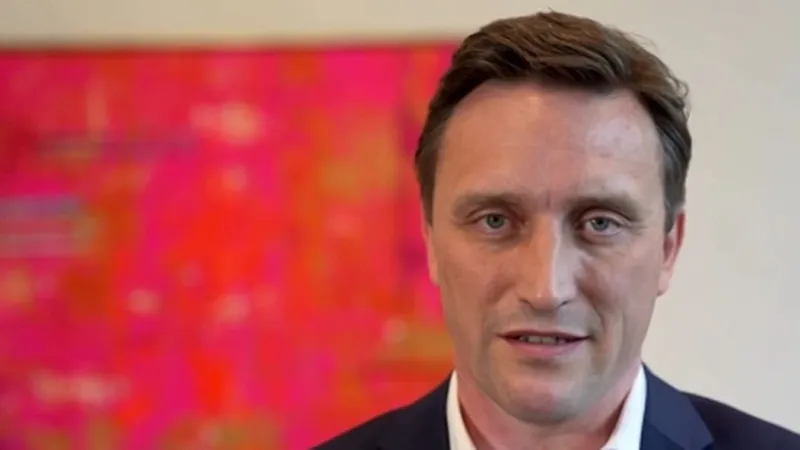
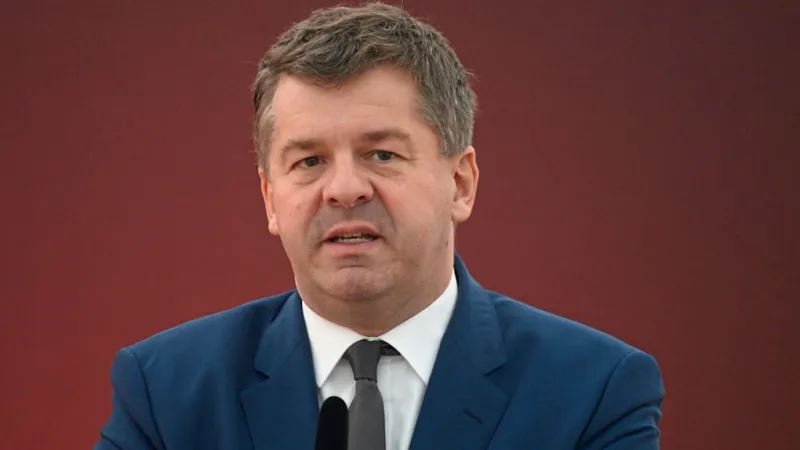
The proposed reduction of Germany's electricity tax faces significant uncertainty, as the funding mechanism for the crucial economic relief measure remains unaddressed. Sebastian Lechner, the parliamentary group leader for the Christian Democratic Union (CDU) in Lower Saxony, has publicly urged Federal Finance Minister Lars Klingbeil to present a viable financing plan, highlighting growing political pressure on the coalition government to deliver on its promise.
The anticipated decrease in the electricity tax, a key component of Germany's energy cost relief package, aims to alleviate the financial burden on businesses and consumers. Its potential failure to materialize due to a lack of funding would represent a considerable setback for economic stability and government credibility amidst ongoing inflationary pressures.
Lechner's direct challenge to Finance Minister Klingbeil underscores deep divisions within the German political landscape regarding fiscal priorities. The call emanates from a prominent state, adding regional weight to the national debate over the economic policy's implementation.
The core issue revolves around how the federal government intends to offset the revenue loss from a reduced electricity tax. Without a clear and sustainable funding strategy, the proposal risks stalling indefinitely, leaving industries dependent on affordable energy costs in a precarious position.
Germany has grappled with high energy prices for several years, exacerbated by geopolitical events and the transition to renewable sources. Measures like the electricity tax reduction are viewed as essential to maintain industrial competitiveness and support household budgets in a challenging economic climate.
Lechner expressed his unequivocal expectation, stating, "I expect the Finance Minister to propose a solution." This direct statement, implying a lack of current solutions, amplifies the urgency for Klingbeil to act decisively and transparently.
As of present, Minister Klingbeil has not publicly outlined his strategy for financing the proposed electricity tax cut. The silence from the Finance Ministry fuels speculation and increases anxiety among economic stakeholders eager for concrete action.
Businesses, particularly those in energy-intensive sectors, are closely monitoring developments. A stalled tax reduction could undermine investment plans and force difficult decisions regarding operational costs and pricing strategies, ultimately affecting consumers.
The unresolved funding question also carries significant political ramifications for the ruling coalition. Failure to implement promised relief measures could erode public trust and provide ammunition for opposition parties ahead of future elections.
This fiscal impasse occurs as other nations grapple with similar economic challenges. For instance, Seoul Navigates Funding Woes for Crucial US Embassy Rebuild, illustrating a global pattern where ambitious projects or necessary relief efforts encounter significant financial hurdles. This highlights the universal complexity of governmental budgeting and resource allocation.
Previous debates surrounding fiscal policy in Germany often encounter similar challenges when balancing expenditure with revenue. The current situation echoes past struggles to reconcile populist measures with responsible economic stewardship.
Germany's reputation as an industrial powerhouse depends heavily on predictable and competitive operating conditions. The uncertainty surrounding the electricity tax creates an unwelcome variable for long-term planning, potentially hindering domestic and foreign investment.
While publicly undisclosed, various financing avenues likely remain under internal discussion, ranging from reallocating existing budget surpluses, identifying new revenue streams, or even reconsidering other planned expenditures. The path chosen will reflect the government's broader economic philosophy.
The CDU, as represented by Lechner, continues to advocate for fiscal prudence while demanding effective relief for the economy. Their stance puts direct pressure on the Social Democratic Party (SPD) Finance Minister, intensifying the cross-party dynamic. This is not the first time a Brandenburg CDU Erases Controversial Social Media Post Amid Fury, indicating a party that is not shy about expressing its views, sometimes controversially.
The coming weeks will be critical as political leaders attempt to bridge the financing gap for the electricity tax reduction. All eyes remain on Finance Minister Klingbeil to present a concrete proposal that satisfies both economic demands and fiscal responsibility.