 Angel Doris
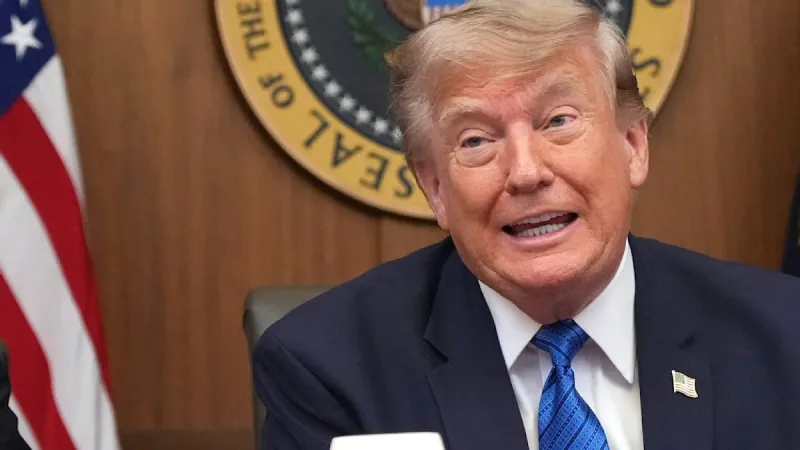
Washington — President Donald Trump publicly alleged sabotage yesterday following the discovery of new damage at the iconic Reflecting Pool, a landmark recently undergoing a multi-million dollar renovation. The President pointed directly to acts of vandalism and reported multiple arrests, while critics are raising serious questions about the quality and durability of the extensive refurbishment project.
The incident at the National Mall fixture has ignited a fresh debate over public property protection and the oversight of significant federal infrastructure projects. President Trump, addressing reporters outside the White House, stated, "We have a problem with vandals, and we have people who just dont respect our national treasures. This is sabotage, pure and simple."
He further elaborated on the swift law enforcement response, confirming that several individuals had been taken into custody in connection with the damage. Details regarding the identities of those arrested or the specific charges they face were not immediately released, pending ongoing investigations.
Conversely, voices from engineering and preservation communities, alongside political observers, have quickly surfaced to suggest an alternative explanation. They contend that the recurring issues at the Reflecting Pool may stem from underlying construction deficiencies rather than solely from malicious acts.
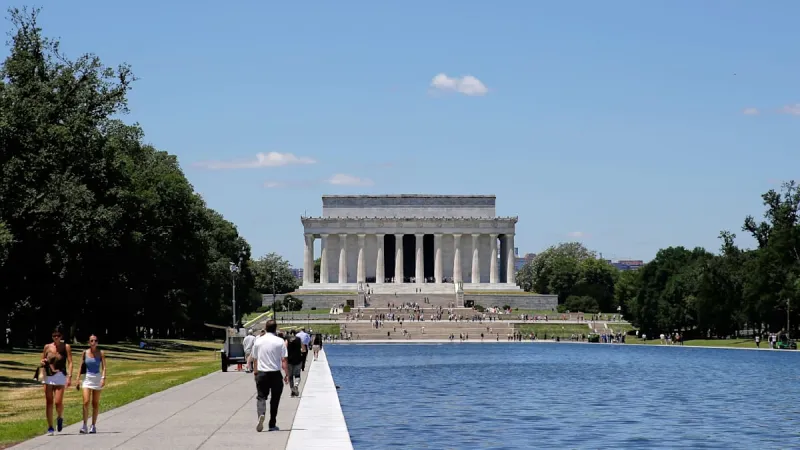
The Reflecting Pool, a prominent feature stretching between the Lincoln Memorial and the World War II Memorial, underwent a comprehensive renovation costing tens of millions of dollars, completed just a few years prior. This ambitious project aimed to upgrade its infrastructure, improve water circulation, and ensure its long-term structural integrity.
Critics of the current administration and the renovation project are recalling previous concerns about the timeline and budget overruns associated with the extensive works. Some argue that persistent problems, even after such a significant investment, hint at deeper, systemic issues that transcend individual acts of mischief.
A spokesperson for a prominent national preservation society, speaking anonymously due to ongoing investigations, remarked, "While vandalism is always a concern, repeated damage to a recently renovated structure of this magnitude warrants a closer look at the quality of the initial work and the materials used. The Reflecting Pool deserves robust protection, both from external threats and internal weaknesses."
The National Park Service, which oversees the maintenance of the Reflecting Pool, has yet to issue a comprehensive statement addressing either President Trumps allegations of sabotage or the criticisms regarding the renovation quality. Their silence has only fueled further speculation across various media outlets.
The damage, which reportedly includes structural cracks and compromised waterproofing, poses significant challenges. Repairing these issues could necessitate draining the vast pool once more, disrupting public access to a cherished national space and incurring additional, unplanned expenditures for taxpayers.
The Reflecting Pool holds profound historical significance, serving as the backdrop for countless pivotal moments in American history, including Dr. Martin Luther King Jr.s "I Have a Dream" speech. Its pristine condition is often viewed as a symbol of national pride and resilience.
This incident also surfaces amidst broader discussions about federal infrastructure and resource allocation. President Trump has often emphasized the need for robust infrastructure development and maintenance across the nation. For more on the Presidents policy stances, see Trump Rejects Bipartisan Housing Bill, Igniting GOP Conflict.
Federal authorities are actively investigating the purported acts of vandalism, working to ascertain the full extent of the damage and to identify all responsible parties. The arrests reported by President Trump suggest a serious commitment to prosecuting those deemed accountable for defacing a national landmark.
However, the duality of explanations — deliberate sabotage versus construction deficiencies — remains a central tension. Public opinion is divided, with some citizens quick to condemn any defacement of the monument, while others express skepticism over the official narrative.
The financial implications of any further repairs or, potentially, a re-evaluation of the entire renovation project, could be substantial. Taxpayer funds, already heavily invested, might again be tapped to rectify persistent problems at the iconic Washington Reflecting Pool.
As the investigation progresses, observers anticipate further statements from government officials and, potentially, detailed reports from engineering experts examining the pools structural integrity. The outcome will likely influence future approaches to national monument preservation.
This situation adds another layer to the complex political landscape, where issues of infrastructure, public safety, and accountability frequently intersect. President Trumps strong stance on the matter underscores the perceived gravity of the incident.
The incident serves as a stark reminder of the challenges in maintaining historical landmarks, balancing public accessibility with rigorous protection against both human action and structural degradation. The future of the Reflecting Pool will depend on the definitive answers uncovered by the ongoing inquiry.