 Edward DP Situmorang
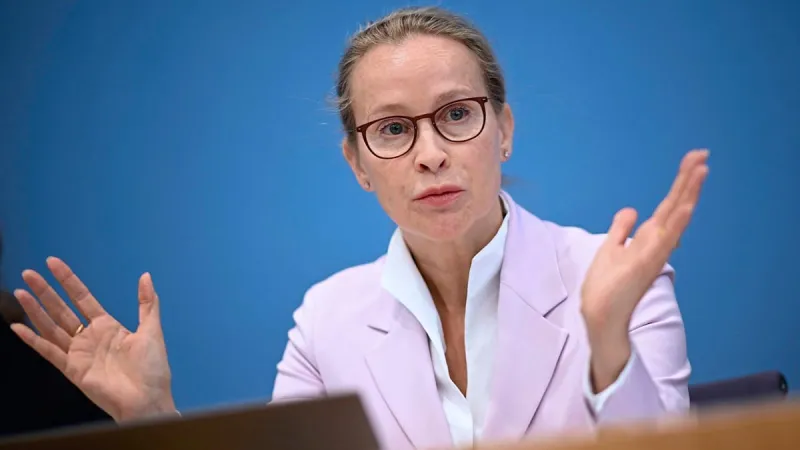
HAMBURG – The Universität Hamburg has formally exonerated Frauke Brosius-Gersdorf, a prominent jurist and former candidate for the Federal Constitutional Court, following an extensive investigation into allegations of plagiarism within her doctoral dissertation. The university announced its findings, stating that the claims leveled against her academic work were unsubstantiated.
This definitive conclusion brings a pivotal moment to a controversy that has shadowed Brosius-Gersdorf’s academic and public career for an extended period. The universitys decision underscores the rigorous standards applied in examining such serious allegations within its academic framework.
Brosius-Gersdorf, known for her expertise in public law, had been a candidate for one of the nations highest judicial offices. The mere existence of plagiarism accusations threatened to derail her professional standing and cast a shadow on the integrity of German academia.
The comprehensive review process involved a dedicated commission examining her dissertation, which explored complex legal themes. Experts meticulously scrutinized the text for any uncredited borrowings or improper citations, a process designed to ensure academic honesty.
While the university did not provide specific details of its internal deliberations, its official statement confirmed that no instances of plagiarism, as defined by academic standards, were found. This pronouncement effectively closes the universitys inquiry into the matter.
The allegations had garnered significant media attention, fueling public debate on academic integrity and the scrutiny faced by public figures. Such accusations, even if ultimately disproven, can inflict considerable reputational damage.
Germany has seen several high-profile cases involving plagiarism in doctoral theses of politicians and public figures in recent years, leading to increased public and institutional vigilance regarding academic standards. These past incidents often resulted in doctoral degree revocations.
Unlike previous instances where political figures lost their titles due to confirmed academic misconduct, Brosius-Gersdorf’s case now stands as an example of allegations being thoroughly investigated and ultimately dismissed.
With the universitys clear findings, Brosius-Gersdorf can now proceed with her professional endeavors without the cloud of academic dishonesty hanging over her. The decision potentially paves the way for a renewed focus on her legal contributions.
The Universität Hamburgs unambiguous declaration serves to reinforce trust in its academic processes and provides a definitive resolution to the plagiarism claims that had captivated public discourse.