 Angel Doris
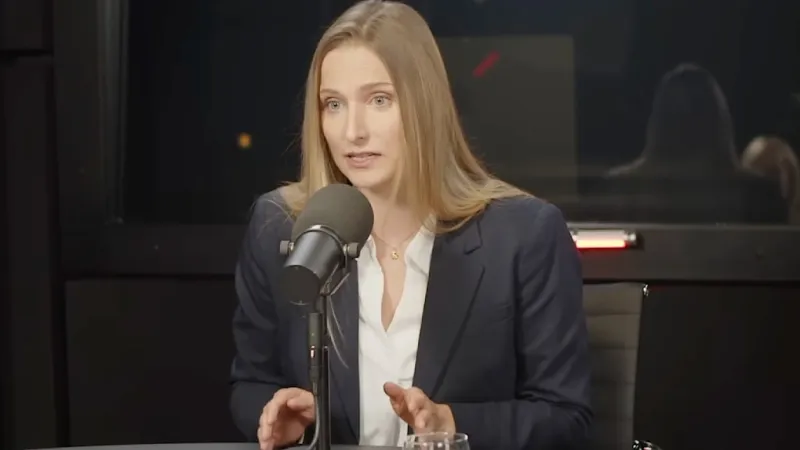
BERLIN – Josephine Ballon, the tenacious CEO of HateAid, a prominent German organization dedicated to combating online hate speech, finds herself under intense pressure following reports of a potential US travel ban and looming financial sanctions. These developments have seemingly prompted allies within Germany's Christian Democratic Union (CDU) to distance themselves, a situation Ballon described while speaking on the program "Amann Unframed."
Ballon conveyed she is "on hot coals" as HateAid grapples with a complex web of challenges stemming from its advocacy. The organization, known for its legal and psychological support to victims of digital abuse, now faces its own significant geopolitical headwinds.
A key concern for HateAid is the reported travel restriction imposed by the United States. While the exact grounds for the US entry ban against Ballon remain officially undisclosed, sources close to the organization suggest it is linked to HateAid's robust — and sometimes controversial — stance on regulating online content and holding platforms accountable for hate speech, policies that occasionally clash with certain interpretations of free speech prevalent in the US.
Further complicating matters are potential financial sanctions, the details of which are still emerging. Such measures could severely impede HateAid's operational capacity, limiting its ability to fund its crucial work in fighting online harassment and disinformation campaigns across Germany.
The political fallout in Germany appears significant. Ballon noted a perceptible shift, stating, "We notice that even CDU politicians no longer like to be seen with us." This distancing by traditional political allies underscores the sensitive nature of HateAid's work and the political risks associated with supporting it when facing international scrutiny, especially from a powerful ally like the United States.
HateAid's mission involves proactive measures, including identifying and reporting egregious instances of online hate to law enforcement, and advocating for stronger digital accountability laws. This work often puts the organization at odds with proponents of unfettered online expression, creating friction in an increasingly polarized global digital landscape.
The stance taken by President Donald Trump’s administration in 2026 on issues concerning digital governance and international relations plays a pivotal role. Known for prioritizing national interests and often questioning the regulatory frameworks of other nations, the US administration's actions against HateAid could signal a broader pushback against organizations perceived as overreaching in content moderation or impinging on free speech principles.
This situation also highlights the intricate balance governments and non-governmental organizations must strike between upholding free expression and combating harmful online content. Germany, with its strict laws against hate speech, often finds itself at the forefront of these debates, frequently clashing with platforms and, at times, with international partners.
The pressure on HateAid and its leadership resonates beyond Germany. Digital rights groups globally monitor such developments closely, understanding that actions against one prominent organization can set precedents for others. It poses questions about the future of international cooperation in combating online harms when differing national legal and political philosophies collide.
Despite the mounting challenges, Ballon expressed a resolve to continue HateAid's work. The organization maintains its commitment to supporting victims and advocating for a safer digital environment, even as it navigates this complex political and financial terrain.
Observers suggest that the distancing by CDU figures could also reflect internal party dynamics and a desire to avoid perceived political liabilities. As Germany approaches future elections, political parties often recalibrate their public associations to align with shifting voter sentiments or international relations concerns.
The incident surrounding HateAid serves as a stark reminder of the escalating risks faced by civil society organizations operating at the intersection of technology, human rights, and international politics. Their funding, reputation, and even the personal freedom of their leaders are increasingly subject to geopolitical pressures.
The coming weeks will likely reveal more details regarding the specific nature of the US travel ban and the proposed financial sanctions. HateAid's response, and the degree of support it receives domestically and internationally, will be critical in determining its future trajectory and the broader discourse on combating online hate.