Gabriella
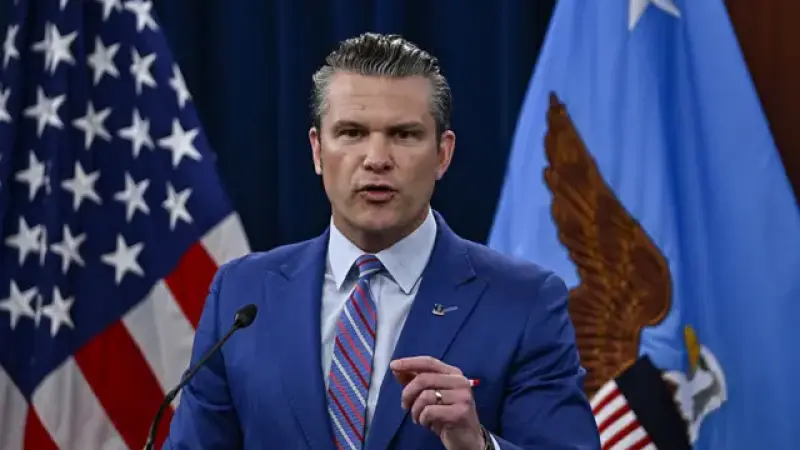
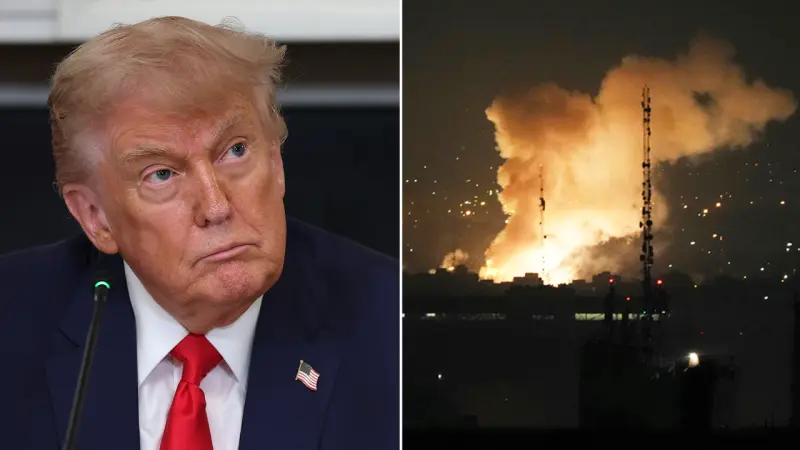
WASHINGTON — White House official Pete Hegseth staunchly denied today that the ongoing military engagement in Iran constitutes a quagmire, even as newly released figures indicate the United States has expended an estimated $25 billion on operations since the conflict began. Hegseth addressed growing concerns from Capitol Hill and the public about the escalating financial and human costs, asserting the administration maintains a clear strategy and tangible objectives.
The pronouncement from Hegseth, a prominent voice within President Donald Trump's administration, came during a press briefing at the Pentagon, designed to reassert confidence in the US strategy. He emphasized that recent tactical gains underscore progress, directly challenging the narrative propagated by some lawmakers and defense analysts who have increasingly likened the protracted campaign to previous, more intractable conflicts.
The $25 billion figure, detailed in an unclassified report from the Congressional Budget Office, encompasses military deployment, logistical support, intelligence operations, and humanitarian aid efforts within and around the Iranian theater. This substantial expenditure has fueled bipartisan calls for greater transparency and a comprehensive reevaluation of the United States continued involvement.
Critics argue the rising cost, coupled with an unclear end state, fits the historical definition of a quagmire, a term evocative of the Vietnam War and more recent engagements in Afghanistan and Iraq. They point to persistent regional instability and a lack of decisive victory as evidence that the operation lacks a viable path to resolution.
Hegseth, however, maintained that comparing the Iran intervention to these past conflicts is intellectually dishonest and overlooks distinct strategic objectives. He highlighted advancements in disrupting Iranian proxies and protecting American interests in the Persian Gulf as concrete achievements that justify the ongoing commitment.
President Trump has consistently defended the military presence in the region, characterizing it as essential for global energy security and counterterrorism efforts. His administration has repeatedly pushed back against characterizations of the situation as a 'quagmire,' preferring instead to emphasize the complex, evolving nature of modern geopolitical challenges.
The financial strain on the federal budget comes at a delicate time, as Congress deliberates on several domestic spending packages and faces increasing pressure to demonstrate fiscal responsibility. The $25 billion mark serves as a stark reminder of the broader economic implications of sustained military action abroad.
Questions persist regarding the criteria for success in Iran and the timeline for a potential US withdrawal. Lawmakers from both major parties have voiced frustration over what they describe as insufficient information regarding the long-term vision for the region and the return on investment for American taxpayers.
While Hegseth did not offer a definitive exit strategy, he reiterated the administration's commitment to ensuring regional stability and protecting allies. He urged patience and confidence in the military leadership, stressing that complex security challenges demand sustained, strategic engagement rather than hasty retreats.
As the debate continues to intensify, the White House faces the ongoing challenge of balancing strategic imperatives with public and congressional demands for accountability and a clear pathway forward, especially as the cost of the intervention continues to mount.
The discussion around the 'quagmire' label for the Iran war will undoubtedly be a central theme in upcoming political discourse, with implications for defense policy, international relations, and President Trump's legacy as the 2026 election cycle approaches.