 Angela Stefani
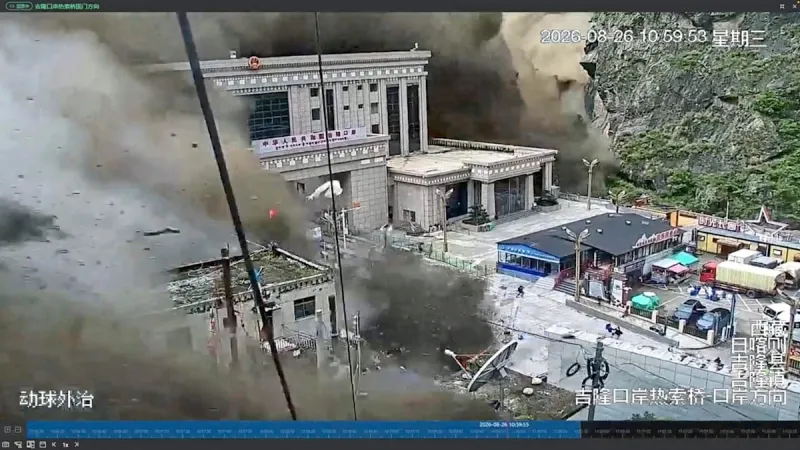
KATHMANDU, NEPAL – A devastating flash flood in the remote Himalayan regions of Nepal and Tibet has escalated into a profound humanitarian crisis, claiming at least 362 lives, with rescue efforts ongoing for nearly 1,500 individuals who remain unaccounted for. The calamity, which struck recently, has prompted urgent warnings from authorities concerning the potential for a secondary, equally destructive deluge, stemming from a newly formed glacial lake upstream.
The immediate aftermath of the initial flood saw communities obliterated and critical infrastructure destroyed across vast swathes of the mountainous terrain. Rescue teams, battling treacherous conditions and severed access routes, are relentlessly searching for survivors amidst the debris and mudslides, a task complicated by the sheer scale of the disaster.
The specter of a second flood looms large, originating from a significant body of water that has accumulated following a landslide or glacial melt, creating a natural dam. Experts warn that if this improvised dam were to breach or overflow rapidly, it could unleash an immense volume of water downstream, further imperiling already vulnerable populations and exacerbating the destruction. This phenomenon, known as a Glacial Lake Outburst Flood (GLOF), is a recognized hazard in the Himalayan environment, often triggered by seismic activity or extreme weather patterns.
Authorities in both Nepal and Tibet are closely monitoring the stability of this newly formed lake. Geologists and hydrologists are deploying advanced sensors and observation teams to assess its capacity and the integrity of its natural containment. The potential for catastrophic overflow necessitates preemptive evacuation plans for communities situated along the river basins downstream.
The search for the missing has been particularly arduous, with reports indicating that hundreds of foreign nationals and tourists were present in the affected areas when the floods struck. Concerns are especially high for European visitors, including three Italians reported missing, as rescue efforts intensify amid the mounting toll.
Access to many affected villages remains severely restricted, hindering the delivery of essential aid and the deployment of additional search and rescue personnel. Landslides, a frequent consequence of heavy rainfall in the region, have crippled access roads, isolating numerous communities and making logistical operations exceedingly difficult.
The scale of destruction is profound, with the floods unveiling widespread devastation across the region, impacting livelihoods and infrastructure on an unprecedented level. The government of Nepal has issued urgent appeals for international assistance, citing the overwhelming challenges in addressing the crisis unilaterally. Related reports have detailed the extensive damage, describing the widespread destruction and mounting human toll.
While the exact cause of the initial flash flood is under investigation, scientists point to a combination of factors, including unusually heavy monsoon rains and the fragile geological conditions of the Himalayan range. Some preliminary analyses suggest that an earth tremor may have preceded the catastrophic valley flood, potentially destabilizing slopes and contributing to the rapid formation of the initial surge.
The disaster has drawn global attention, highlighting the increasing vulnerability of high-altitude communities to the impacts of climate change and extreme weather events. International organizations are mobilizing resources to support the recovery efforts, focusing on immediate relief, medical aid, and long-term rehabilitation strategies for the displaced.
The immediate priority remains the search for survivors and providing aid to those stranded. However, the looming threat of a secondary inundation from the precarious lake adds an urgent layer of complexity to an already dire situation, keeping rescue teams and local populations on high alert as they brace for potential further natural calamities.
This ongoing crisis serves as a stark reminder of the unpredictable and devastating power of nature in one of the world's most challenging terrains. The international community watches intently, hoping for the safe recovery of the missing and a swift resolution to the looming hydrological threat that continues to imperil Nepal and Tibet.