 Edward DP Situmorang
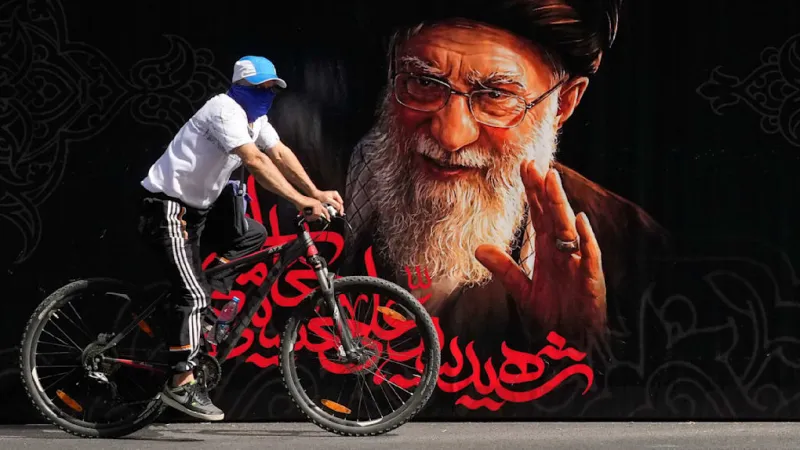
TEHRAN, Iran – Iranian authorities have reportedly sanctioned a potential death toll of up to 3,000 individuals during the elaborate funeral proceedings for Supreme Leader Ali Khamenei, an event designed to project the regime's unwavering power and national unity. Sources in Tehran indicate a cynical calculation made behind the scenes, prioritizing a grand display of popular support over paramount public safety.
The opulent state funeral, intended as a powerful demonstration of the Islamic Republics enduring authority, is drawing massive crowds to the capital. This event, which includes a final procession, serves as a crucial moment for the regime to reaffirm its control and legitimacy in the post-Khamenei era.
The directive, conveyed to those responsible for managing the colossal crowds, underscores a stark disregard for human life in pursuit of political spectacle. Such a staggering figure for acceptable casualties reveals the extent to which the regime is prepared to go to maintain its image of strength and popular backing.
Preparations for the spiritual leader's final journey have been extensive, with Iran Readies Grand Mosque for Khameneis Final Journey being a key component. The event is orchestrated to showcase the deepest reverence for Khamenei while simultaneously intimidating any potential dissent or instability during this period of transition.
Behind the meticulously planned public display, a palpable power struggle continues among the nations political and military elites. The funeral is not merely a memorial but a stage where various factions subtly assert their influence and positions within the complex hierarchy of the Islamic Republic.
Reports surrounding the event also highlight the reemergence of key figures, such as those noted in Khamenei Mourned; Guard Commander Vahidi Reemerges Amidst Conflict. These movements indicate a strategic realignment as the country navigates the succession, emphasizing the political stakes involved beyond mere mourning.
Historically, mass gatherings in Iran have been meticulously controlled, often with a dual purpose of demonstrating state power and quelling opposition. However, the explicit acceptance of such a high number of potential fatalities adds a chilling dimension to this approach.
The logistical challenges of managing crowds of this magnitude are immense, even with robust planning. The sheer number of mourners, often driven by a combination of genuine grief, national duty, and implicit pressure, creates an inherently volatile environment.
International observers are likely to view this disclosure with profound concern, questioning the ethical foundations of a government willing to sacrifice its citizens for a show of force. The implications for human rights and the value of individual life within the Iranian system become starkly apparent.
The Iranian populace, many of whom will participate in the events, are caught between expressions of piety and the underlying political machinations. The pervasive presence of security forces and the states capacity for coercion often ensure compliance, even as unease may simmer beneath the surface.
Ultimately, the Khamenei funeral emerges as more than a religious observance; it is a meticulously choreographed political maneuver. The reported willingness to accept thousands of deaths serves as a brutal testament to the regimes priority: the preservation of its power, at any human cost.