 Angel Doris
Escalating tensions in the Middle East reached a critical juncture today as Iran threatened to block the strategic Bab al-Mandab Strait, a vital shipping lane, while missile sirens blared in Tel Aviv following strikes from Yemen. These developments unfold amidst reports of an Israeli Defense Forces operation inside Iran aimed at dismantling defense systems, prompting an urgent call from President Donald Trump for an immediate cessation of hostilities between Israel and Iran.
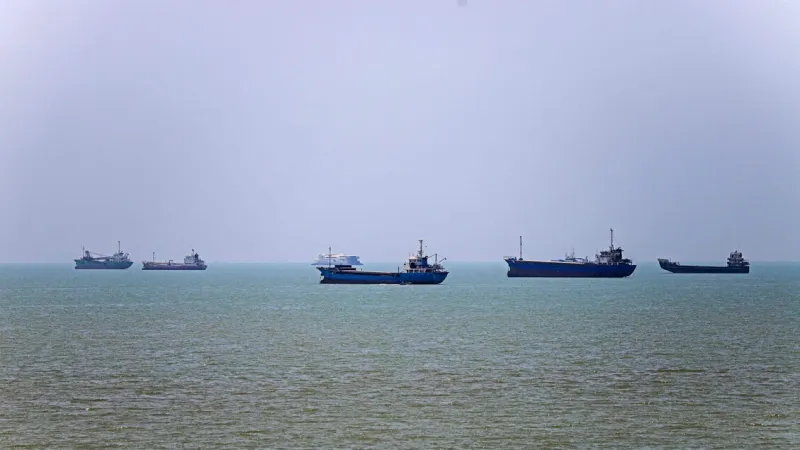
Tehran's assertive declaration regarding the potential closure of the Bab al-Mandab Strait underscores a significant escalation in the ongoing regional conflict. This narrow waterway, situated between Yemen on the Arabian Peninsula and Djibouti and Eritrea in the Horn of Africa, is a crucial choke point for global oil shipments and international trade, connecting the Red Sea to the Gulf of Aden and the Indian Ocean.
Such a blockade would have profound economic and geopolitical repercussions, disrupting maritime traffic and potentially exacerbating energy prices worldwide. The threat itself serves as a powerful deterrent and a clear signal of Iran's willingness to leverage strategic assets in response to perceived aggressions.
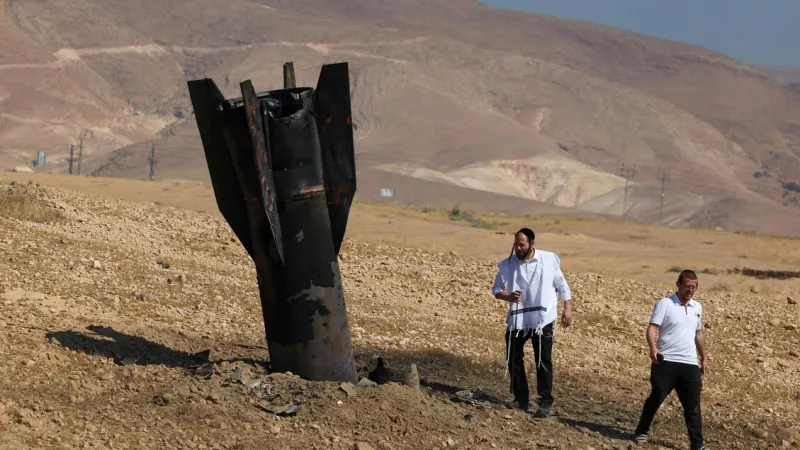
Simultaneously, residents in Tel Aviv were jolted by air raid sirens, signaling incoming missiles originating from Yemen. This marks the first such incident since April, indicating a renewed and intensified engagement by Iran-backed Houthi forces in the broader conflict. The use of long-range projectiles highlights the widespread nature of the current conflagration.
Further exacerbating the volatile situation, the Israel Defense Forces (IDF) confirmed an operation within Iranian territory, stating its objective is to dismantle the regime's defense systems. This action represents a significant escalation of direct military engagement between the two regional adversaries.
Amidst these rapidly unfolding events, President Donald Trump issued a forceful statement urging both Israel and Iran to cease hostilities immediately. "Israel and Iran must stop shooting immediately," President Trump declared, emphasizing the urgent need for de-escalation to prevent a wider regional catastrophe.
President Trump's intervention follows a series of tit-for-tat exchanges that have characterized the recent Middle East landscape. Just days prior, Israel launched strikes on Tehran despite earlier calls for restraint, a clear response to preceding provocations. Furthermore, Israel recently retaliated to an Iranian rocket barrage, further escalating regional tensions.
Internal dynamics within Iran also appear to be under strain, with reports suggesting an interruption in communications between Supreme Leader Ali Khamenei and elements of the Islamic Revolutionary Guard Corps (IRGC). This potential disruption could signal internal rifts or command and control challenges during a critical period of external conflict.
The current crisis echoes past periods of heightened regional instability, where maritime security in key straits, like the Strait of Hormuz, has frequently become a focal point of geopolitical leverage. The involvement of non-state actors, such as the Houthi movement in Yemen, adds another unpredictable dimension to the already complex security environment.
International observers are closely monitoring the developments, with many nations expressing deep concern over the potential for the conflict to spiral out of control. Diplomatic efforts are expected to intensify to de-escalate the situation, though immediate pathways to resolution remain unclear.
Beyond the immediate security implications, the prolonged instability in the Middle East, particularly around vital shipping lanes, poses a significant threat to global supply chains and energy markets. The prospect of disrupted oil flows from the Persian Gulf region would send ripple effects through economies worldwide.
Both Israeli and Iranian forces remain on high alert, with military analysts assessing their respective capabilities and potential strategies. The precise extent of the IDF operation in Iran and its effectiveness in neutralizing defense systems will likely shape the immediate future trajectory of this volatile conflict.
President Donald Trump's unequivocal call for an immediate ceasefire underlines the United States' commitment to preventing a wider war that could engulf the entire region. The administration's focus remains on diplomacy, even as military actions intensify.
The current series of escalations significantly jeopardizes what little stability remains in the Middle East, pushing the region closer to an all-out confrontation. The coming days will be crucial in determining whether diplomacy can prevail over the escalating military engagements.