 Chris Robert
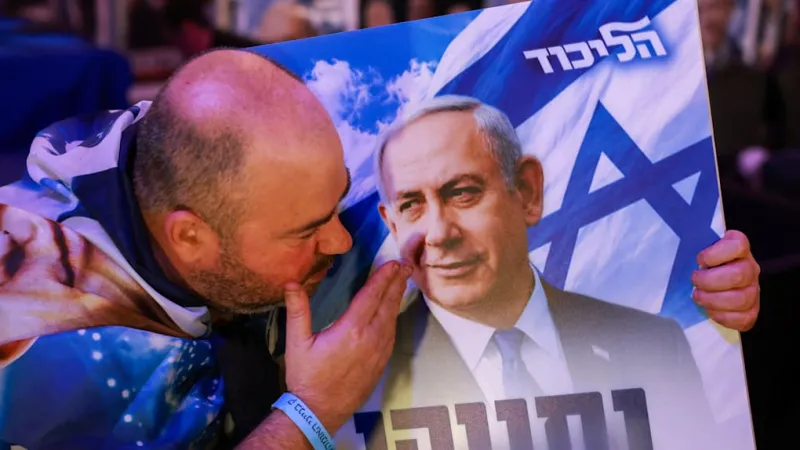
JERUSALEM – Israel plunged into a new phase of profound political uncertainty following recent parliamentary elections, as preliminary results indicate a stark stalemate between major ideological blocs. The closely watched vote concluded without any single faction or natural alliance securing a clear path to forming a governing coalition, setting the stage for potentially protracted and complex negotiations that could redefine the nation's political landscape.
The outcome thrusts the nation back into familiar territory, grappling with the challenge of uniting disparate political entities to forge a stable administration. This marks a period where the foundational elements of Israeli democracy are once again tested by the persistent fragmentation of its electoral system.
Political analysts across the spectrum are now sketching various scenarios, ranging from arduous coalition-building efforts to the unprecedented possibility of another round of snap elections. The core issue remains the narrow margins separating the primary camps, making any straightforward path to a majority government elusive.
Negotiations traditionally commence soon after the official results are certified, with the President of Israel typically tasking a leader from one of the larger blocs to attempt to form a government. However, with neither side holding a decisive advantage, this process is expected to be fraught with difficulties and could extend for weeks.
Key political figures are already engaging in backroom discussions, attempting to bridge significant ideological divides and personal rivalries. Challenges that have plagued past attempts at unity, such as debates over religious laws, judicial reform, and security policies, resurface as formidable obstacles.
The specter of repeated elections hangs heavy over the public, which has expressed growing fatigue with the cycles of political instability. The frequent polls, including a critical vote for Knesset renewal after the October 7 attacks, have hindered long-term policy formulation and eroded public trust in political institutions. For context on previous challenges, see Israelis Vote for Knesset Renewal After October 7 Attacks.
Economically, prolonged political limbo can deter foreign investment and delay crucial budget approvals, impacting various sectors from infrastructure to social services. Businesses crave stability, and this fresh wave of political uncertainty in Israel threatens to undermine economic confidence.
Internationally, a government unable to command a clear majority or one perceived as inherently unstable complicates Israel's foreign policy and security posture. Regional adversaries and allies alike will closely monitor the political machinations unfolding in Jerusalem, gauging the nation's capacity for decisive action on critical matters.
Historically, Israel has often been governed by complex coalition arrangements, reflecting its diverse society and proportional representation system. However, the current depth of the stalemate suggests that forming even a fragile government will require extraordinary concessions from multiple parties.
Some pundits suggest a national unity government as a potential, albeit challenging, solution. Such an alliance, encompassing parties from across the political divide, could theoretically provide stability but often comes at the cost of clear policy direction and internal cohesion. Previous political figures, such as those discussed in Eisenkot Mounts Challenge to Netanyahu, Promises New Israeli Direction, have highlighted the constant pressures on Israeli political leadership.
The populace watches with bated breath as political leaders navigate this intricate maze. The demand for effective governance and a resolution to the political gridlock is palpable, reflecting a deep-seated desire for progress beyond electoral contests.
Ultimately, the coming weeks will determine whether Israel can overcome its current parliamentary impasse or if it faces the prospect of yet another electoral campaign, further prolonging the nation's search for a durable and consensual government.