 Edward DP Situmorang
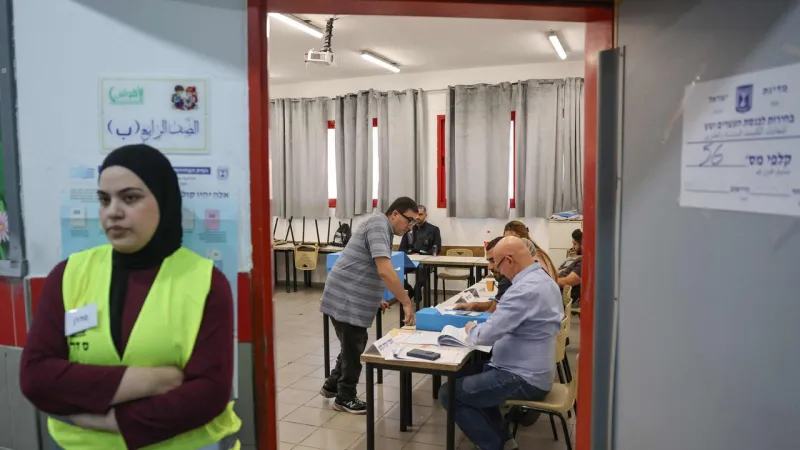
JERUSALEM – Millions of Israeli citizens began casting their votes today in a pivotal Knesset election, the first since the October 7 attacks, determining the nation's political leadership and its future trajectory amid ongoing conflict and profound societal challenges. The snap election sees approximately seven million eligible voters participating across the country.
This unscheduled ballot marks a critical juncture for Israel, thrusting its electorate back to the polls significantly earlier than mandated. The nation grapples with the aftermath of the unprecedented October 7 incursions and the subsequent conflict, which has reshaped political discourse and public priorities.
The trauma of the attacks by Hamas and other militant groups fundamentally altered the political landscape, leading to the formation of a national unity government. However, internal disagreements and public dissatisfaction over the war's conduct and hostage negotiations ultimately necessitated a fresh mandate.
Voters are weighing a complex array of issues, paramount among them national security, the recovery of remaining hostages, and the long-term strategy for Gaza. Economic stability and the contentious judicial reform debate, which deeply divided the nation prior to the conflict, also remain significant concerns for many.
The election presents a fragmented political field, with numerous parties vying for seats in the 120-member Knesset. No single party is expected to secure an outright majority, making coalition negotiations following the vote a crucial, and often protracted, process.
Prime Minister Benjamin Netanyahu, leading the Likud party, seeks to maintain power amidst sustained criticism regarding security failures and the handling of the conflict. His primary challengers encompass a range of centrist and right-wing blocs, each promising a different path forward for the embattled nation.
Polls leading up to election day indicated a deeply divided electorate, reflecting the profound schisms within Israeli society. The high stakes have fueled intense campaigning, with parties focusing on resilience, security, and defining the countrys post-conflict identity.
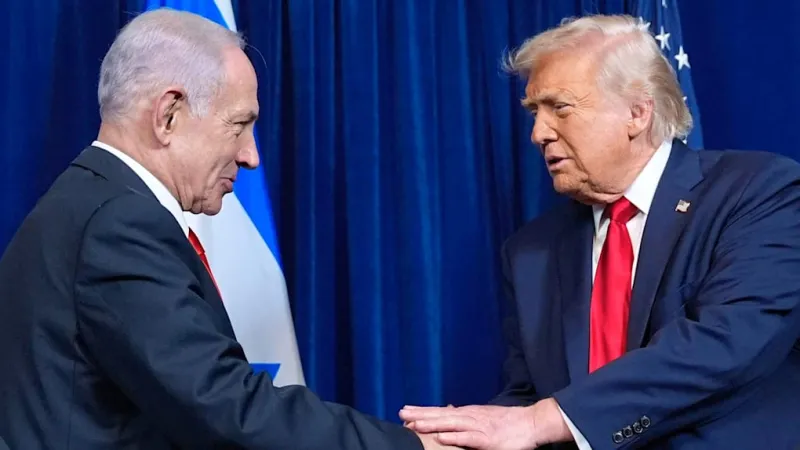
The outcome of these Knesset elections carries significant international implications, particularly for regional stability and Israel's alliances. The new government will inherit complex diplomatic challenges, including relations with the United States under President Donald Trump and efforts to normalize ties with Arab nations.
The ongoing military operations and heightened tensions in the West Bank also factor into the political calculus. Recent reports of increased arrests and counter-terror operations, as detailed in our coverage Tensions Rise As IDF Arrests Dozens in West Bank Raids, underscore the multifaceted security environment influencing voters.
Events such as the Israel Launches West Bank Operation After Deadly Hebron Attack and the subsequent Hebron Attack Sparks Israeli Counter-Terror Operation, Settlement Pledge remain fresh in the public consciousness, shaping perspectives on leadership and security policy.
Polling stations opened early this morning across Israel, from urban centers to remote settlements. Election officials report robust turnout in many areas, with citizens eager to exercise their democratic right despite the underlying anxieties.
The proportional representation system employed in Israel frequently results in coalition governments, often requiring extensive negotiations between parties after election results are tallied. The ideological spectrum of potential partners suggests a complex path to forming a stable ruling bloc.
Regardless of the election's outcome, the incoming government faces immense challenges: rebuilding communities affected by the October 7 attacks, navigating the humanitarian crisis in Gaza, addressing economic pressures, and fostering a sense of national unity in a fractured society.
Despite the severe challenges and existential threats confronting the nation, the act of holding these elections underscores the enduring commitment to democratic processes within Israel. Citizens are actively participating in shaping their collective destiny during one of the most tumultuous periods in the nation's history.