 Angela Stefani
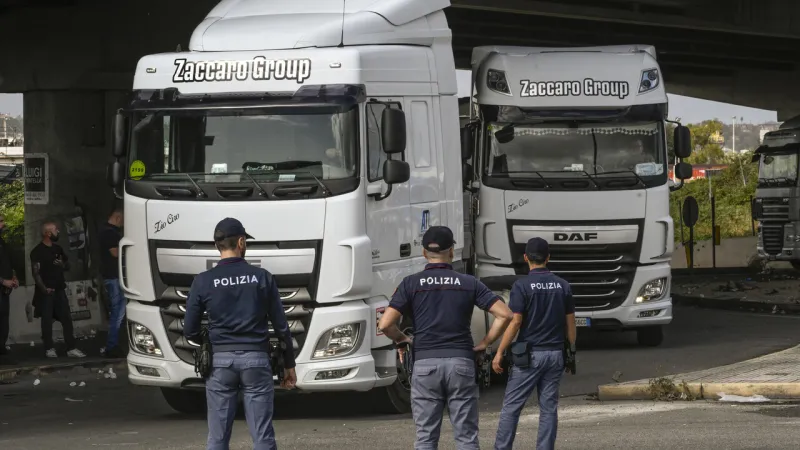
Campania, Italy — Truck blockades that severely hampered transport across Italy's Campania region were dismantled overnight by authorities, but the area continues to grapple with widespread fuel shortages and extensive queues at operational gas stations.
Despite the physical removal of the protest infrastructure, the ripple effects are profoundly felt. Many petrol stations across the region remain shuttered, while those that have reopened are experiencing unprecedented demand, leading to hours-long waits for motorists.
These specific roadblocks were part of a broader wave of transport disruptions that have periodically paralyzed parts of southern Italy in recent months. The sustained protests have stemmed from various grievances within the haulage sector, impacting critical supply routes.
The Italian government has been actively engaged in efforts to resolve the crisis. Officials previously deployed substantial resources and announced a series of measures, including an urgent aid decree aimed at alleviating economic pressures on transporters and ensuring the free flow of goods.
The economic toll of these disruptions has been significant. Businesses reliant on logistical supply chains, from agricultural producers to manufacturers, have faced substantial delays and financial losses, deeply impacting the southern Italian economy and its connection to national markets.
Residents have expressed a mix of relief over the clearing of roads and exasperation over the lingering scarcity of essential services, particularly fuel. The daily routines of commuters, families, and emergency services continue to be severely impacted by the lack of readily available petrol.
Even with open roads, the distribution network requires time to recover. Tanker trucks must replenish depleted station reserves, a process complicated by the initial backlog and overwhelming public demand following weeks of intermittent supply.
The government had previously mobilized millions to address these persistent transport blockades across the nation, underscoring the severity of the challenge to Italy's national infrastructure and commerce.
While the immediate physical barriers are gone, underlying issues contributing to the unrest within the trucking industry, such as fluctuating fuel prices, increased operating costs, or contractual disputes, may require further dialogue and policy adjustments to prevent future standoffs.
Local prefectures and civil protection agencies in Campania are coordinating efforts to prioritize fuel deliveries to essential services, including emergency vehicles, hospitals, and public transport, to mitigate the most critical impacts on the populace.
Observers suggest that without addressing the root causes, the potential for future disruptions remains high, urging sustained governmental engagement with transport sector representatives to forge long-term solutions.
Authorities aim for a swift normalization of fuel supplies, though they caution that full recovery of the entire distribution network and a return to pre-crisis levels of availability could still take several days as the complex logistics of replenishment are executed.
Many small businesses, already struggling with post-pandemic economic challenges, have been particularly vulnerable to the supply chain disruptions, facing difficulties in receiving inventory, making deliveries, and even commuting for their employees.
The handling of the blockades has been a contentious political issue, with government critics highlighting the extensive economic damage and the profound disruptions to public life caused by the prolonged protests.
Campania, a vital economic and logistical hub in southern Italy, emphasizes the broader national implications of such widespread transport paralysis, affecting not only regional economies but also the integrity of national supply lines.