 Stefani Rindus
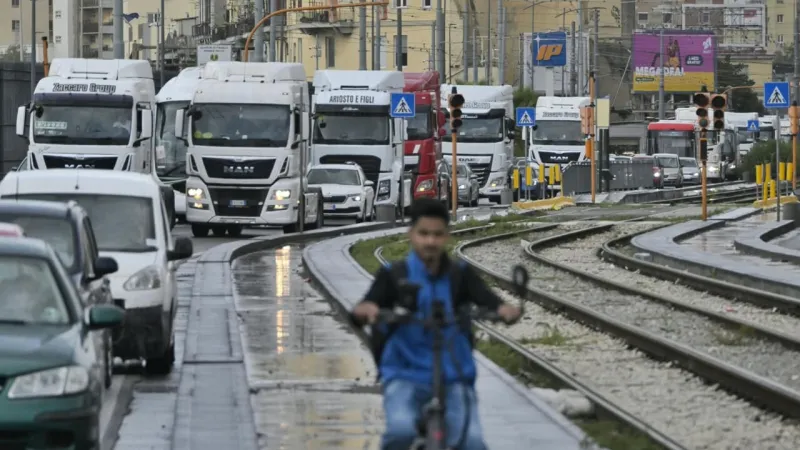
ROME – The Italian government has earmarked an additional 175 million euros in urgent aid to alleviate the severe economic repercussions stemming from widespread transport blockades, even as truck and fishing vessel protests continue to paralyze crucial supply chains across the nation. The substantial allocation includes 105 million euros directed at the trucking sector and 70 million euros for the struggling agriculture and fishing industries, a move aimed at defusing a crisis that has left markets empty and threatens to halt numerous businesses.
The funds arrive as protests persist, despite earlier efforts by authorities to manage the unrest. Transportation Minister Edoardo Rixi confirmed the governments commitment, stating, From March to August we put 480 million into the system. This latest package supplements previous injections of capital aimed at stabilizing key economic sectors facing intense pressure.
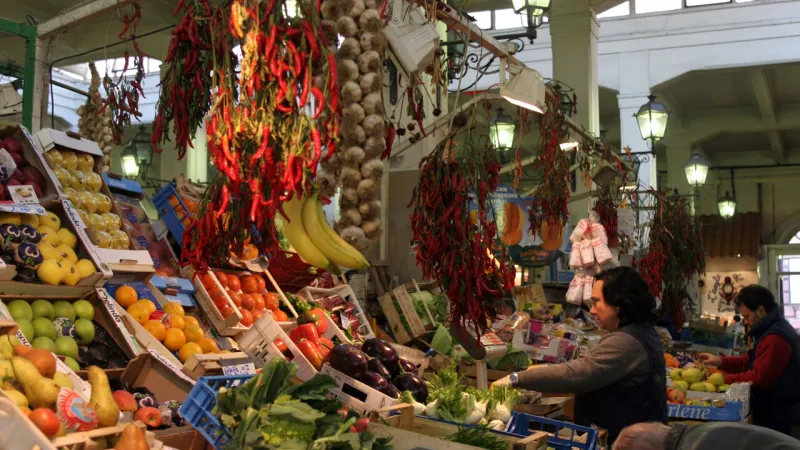
Agricultural producers and fishing cooperatives have been particularly hard hit, with reports of fishing boats remaining docked and perishable goods unable to reach consumers. This has created a cascading effect, leading to significant financial losses for operators and a scarcity of fresh produce in urban centers.
The ongoing blockades have prompted authorities to issue denunciations against some protestors and to provide police escorts for vital cargo. While measures have been implemented to keep essential goods moving, the scale of the disruption remains substantial, underscoring the deep-seated grievances driving the protests.
In some regions, the government had achieved temporary breakthroughs. Blockades in southern Italian regions like Calabria and Sicily were notably suspended, allowing for a momentary respite in the critical flow of goods to and from these areas. However, these suspensions have proven to be fragile, with new blockades emerging elsewhere.
The economic fallout extends beyond direct losses for transporters and primary producers. Empty markets signal broader vulnerabilities within Italy's supply chain, prompting fears of inflation and further economic contraction. Businesses, large and small, are now contemplating temporary shutdowns if the flow of raw materials and finished products does not normalize soon.
One major highway interchange has already been forced to close due to the protests, exacerbating traffic snarls and significantly extending delivery times across the country. Such closures choke the national transportation network, impacting industries ranging from manufacturing to retail.
This latest government response follows earlier efforts to contain the escalating crisis. Prior measures included decisive action by the Meloni Cabinet to safeguard essential supplies amid truck blockades, often utilizing police intervention to clear routes and ensure continuity for critical logistics. The broader context of the government's stance is further detailed in reports such as Italy Cracks Down on Truck Blockades, Announces Urgent Aid Decree.
The aid package also reflects an acknowledgment of the critical role these sectors play in the national economy and the daily lives of citizens. The trucking industry forms the backbone of goods distribution, while agriculture and fishing provide fundamental food security.
Analysts suggest the persistent nature of the blockades indicates a deeper dissatisfaction among workers regarding fuel costs, operating expenses, and general economic conditions. The government now faces the challenge of not only disbursing the aid effectively but also addressing the underlying causes of discontent to prevent future disruptions.
The situation remains fluid, with government officials in ongoing negotiations with various sector representatives. The immediate goal is to restore full functionality to Italy's transportation and food supply networks, preventing further economic damage and ensuring citizens have access to essential goods. Previous comprehensive overviews, like Italy Unleashes Aid Decree As Southern Blockades Cripple Economy, illustrate the continuing struggle.
The international community watches closely, as Italy's supply chain disruption could have ripple effects on broader European markets. The swift resolution of this crisis is paramount for both domestic stability and regional economic health.
Italy's response to the transport crisis underscores a proactive stance by the Meloni administration to protect its vital sectors and maintain economic stability amidst challenging protest movements. The outcome of these measures will significantly influence the trajectory of the nation's economic recovery in 2026.