 Stefani Rindus
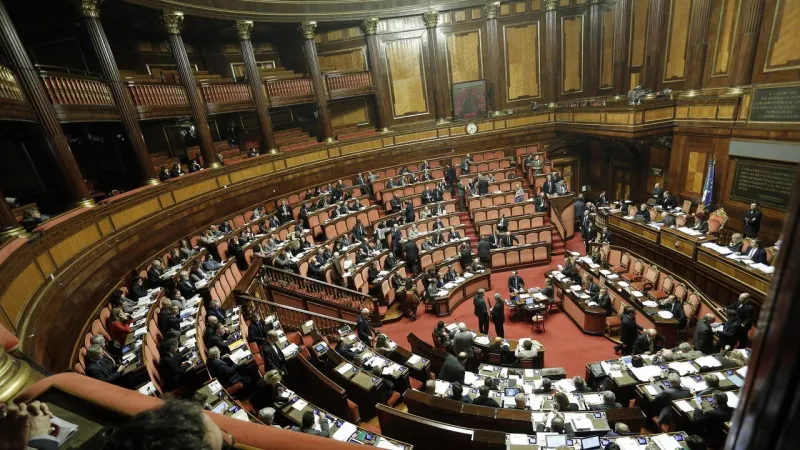
ROME – The Italian government announced today its decision to defer the highly debated issue of voter preferences within the proposed electoral law to a vote by the full Senate chamber. This pivotal move came after a crucial majority meeting in the Senate involving technical experts, Senate President Elisabetta Casellati, and parliamentary group leaders. The general discussion in the legislative body concluded, and the session was temporarily suspended until 2 p.m., signaling an imminent parliamentary decision on the matter.
The controversy centers on whether citizens will retain direct preferential voting rights in the new electoral framework. Such preferences allow voters to express a choice for specific candidates within a party list, a mechanism that proponents argue strengthens democratic accountability and direct representation.
The government's decision to hand the final say to the chamber underscores the deep divisions and political sensitivities surrounding the electoral law reform. Crafting a stable and widely accepted electoral system has long been a challenge for Italian politics, often leading to fragmented parliamentary majorities and governmental instability.
Senate President Casellati confirmed the government's stance, stating, "the government will defer to the Chamber on the issue of preferences." Her remarks followed the intensive discussions, indicating a consensus among the ruling coalition to move forward with a parliamentary vote rather than imposing a definitive executive decision.
The majority meeting brought together key figures to iron out internal differences and strategize the path forward for the electoral law. Discussions reportedly focused on the various implications of direct preferences versus closed lists, weighing the desire for voter choice against concerns about governmental governability and the potential for internal party power struggles.
Italy has a convoluted history with electoral reforms, marked by frequent changes aimed at improving stability or fairness. Past attempts to introduce purely proportional systems or highly majoritarian ones have often faced criticism, leading to a pendulum swing in legislative approaches. The current effort aims to strike a balance, though the mechanism of preferences remains a point of contention.
For political parties within the government majority, the decision to allow a free vote or defer to the chamber on preferences could have significant internal repercussions. Some factions may favor greater voter input, while others might prefer more centralized control over candidate selection, viewing it as essential for party discipline and programmatic coherence.
Public opinion and media commentary have closely followed the deliberations. Advocacy groups for electoral reform have consistently called for a transparent and inclusive process, emphasizing that the electoral law is a foundational pillar of the nation's democratic structure.
With the general discussion now concluded and the session suspended, the Senate is poised to resume proceedings at 2 p.m., where it is anticipated that the specific amendments pertaining to voter preferences will be debated and subsequently put to a vote. The outcome will shape how Italian citizens elect their representatives for years to come.
The electoral law ultimately adopted will have a profound impact on the composition of future parliaments and the stability of successive governments. The inclusion or exclusion of direct preferences can significantly alter the relationship between voters, elected officials, and political parties, influencing the overall democratic landscape.
Even after a vote in the Senate, the electoral law process may not be entirely concluded. Depending on the final text, it could face further scrutiny in the Chamber of Deputies or potential challenges before the Constitutional Court, highlighting the intricate legal and political pathways of major legislative reforms in Italy.