 Edward DP Situmorang
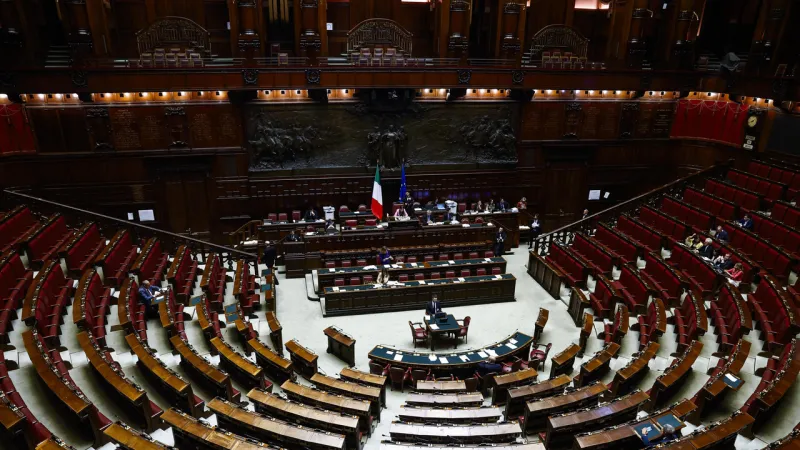
ROME – Italian political parties within the governing majority have reached an initial agreement on a proposal to allow out-of-precinct voting for citizens registered elsewhere in the country, a long-sought electoral reform aimed at improving participation. However, significant disagreements persist regarding the modalities of preference expression, setting the stage for a contentious battle in Parliament. The development coincides with the postponement of a major broad camp event in Padova and a planned vigil by the +Europa party at the Chamber of Deputies on the 14th, underscoring the urgency and political tension surrounding the issue.
The push for out-of-precinct voting seeks to address the logistical challenges faced by millions of Italians, including university students, temporary workers, and individuals residing far from their registered electoral municipalities, who are currently compelled to return to their hometowns to cast ballots. Proponents argue this reform is a crucial step toward modernizing Italy's electoral system and fostering greater democratic inclusion.
While the principle of enabling absentee voting has garnered broad consensus across the political spectrum, the specifics of how voters will express their preferences remain a formidable obstacle. Italian electoral law frequently grapples with the balance between party lists and individual candidate choices, a debate that deeply influences internal party dynamics and the ultimate composition of legislative bodies.
Sources within the majority indicate that discussions have been particularly intense concerning whether the new system should permit voters to directly select candidates or be limited to party choices. Opposition parties and advocacy groups, including +Europa, are pressing for a robust preference mechanism, asserting that it is essential for true democratic representation and voter engagement.
The complexity of the issue is reflected in the political calendar. The broad camp event in Padova, initially intended to rally support for electoral reforms, has been deferred as parliamentary leaders focus on ironing out the legislative details. This postponement highlights the delicate nature of internal negotiations and the desire to present a united front, even if such unity remains elusive.
In parallel, the +Europa party has announced a vigil scheduled for the 14th at the Chamber of Deputies, signalling its intent to maintain pressure on lawmakers. This public demonstration aims to galvanize support for comprehensive electoral reform that not only expands access to voting but also ensures meaningful voter choice through direct preference expression.
Electoral reform in Italy has historically been a challenging endeavor, often marked by fierce partisan wrangling and frequent changes to voting laws. Each attempt to modify the system brings forth deeply entrenched political interests and differing philosophies on how best to structure democratic representation.
Observers suggest that the current impasse over preferences could derail the entire reform effort if a compromise is not quickly forged. The majoritys ability to pass this legislation will be a significant test of its cohesion and its capacity to deliver on pledges for institutional modernization.
The outcome of this parliamentary debate will have profound implications for future elections, potentially altering voter turnout patterns and the demographic composition of the electorate. Granting easier access to the ballot box for a mobile population could significantly energize civic participation, especially among younger generations and those with diverse professional commitments.
As the 14th approaches, all eyes will be on the Chamber of Deputies, where the vigil will serve as a poignant reminder of the public's expectations for a more accessible and representative electoral process. The resolution of the absentee voting conundrum, particularly the thorny issue of preferences, stands as a critical challenge for Italian democracy in 2026.