 Dodi Irawan
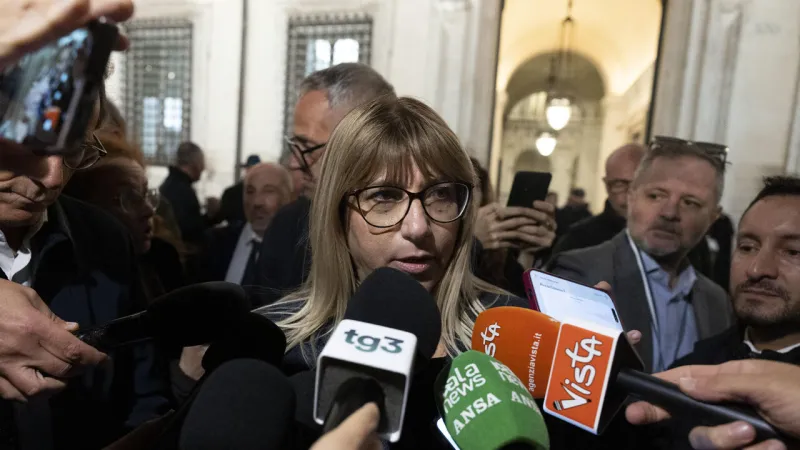
Rome – The Italian government has initiated a critical dialogue with major trade unions, including Cisl and Uil, to reassess budgetary allocations, particularly considering an increase in healthcare resources and the potential reversal of planned school cuts. This development, emerging from a recent high-stakes meeting at Palazzo Chigi, comes as the Cgil union remains steadfast in its confirmation of a nationwide strike, branding the discussions as politically futile.
Representing Cisl and Uil, spokespersons confirmed the government's willingness to re-evaluate financial provisions within the ongoing budget maneuver. Unions have long pressed for greater investment in vital public services, arguing against austerity measures that disproportionately affect citizens.
Speaking after the meeting, a representative identified as Fumarola, reflecting the Cisl-Uil position, confirmed that government officials are actively “verifying the availability” of additional funds. This statement underscores the fluid nature of negotiations surrounding the critical Italian budget.
Uil General Secretary Pierpaolo Bombardieri highlighted a significant concession, stating that Finance Minister Giancarlo Giorgetti had shown an “opening” regarding union proposals. Crucially, Bombardieri added, “School cuts are skipped,” signaling a potential victory for educators and students who faced significant reductions under the initial budgetary framework.
Despite these reported advancements, the nation's largest trade union, Cgil, maintained a starkly contrasting perspective. Leaders from Cgil reiterated their deeply negative assessment of the government's approach, dismissing the recent discussions as “politically useless” and firmly recommitting to their planned industrial action.
The confirmation of Cgil's strike underscores the deep divisions that persist despite attempts at reconciliation. The union had previously announced a series of walkouts across various sectors, protesting what it perceives as an inadequate and regressive national budget proposal.
The high-level talks took place at Palazzo Chigi, the official residence and office of Prime Minister Giorgia Meloni. Such meetings between top government officials and labor representatives are customary during the drafting of the annual financial law, often becoming arenas for intense political and social bargaining. Prime Minister Meloni has previously engaged in extensive diplomatic efforts, as seen in Zelensky's Playful Jest with Meloni on X Highlights Diplomatic Warmth.
The potential increase in healthcare resources represents a critical focal point for unions and the public alike. Italy's healthcare system has faced considerable strain in recent years, intensified by the pandemic, making any additional funding a welcome development for many.
Similarly, the decision to potentially reverse school cuts offers a reprieve for the education sector. Teachers, administrators, and parents have voiced concerns over budget reductions impacting classroom resources, staffing levels, and the overall quality of instruction. The government's reconsideration suggests an acknowledgment of these societal pressures.
The government faces a delicate balancing act, navigating economic realities, EU fiscal rules, and intense domestic political pressure from powerful trade unions. The national budget, or “manovra,” is not merely an economic document but a reflection of national priorities and social compromises.
Minister Giorgetti's reported “opening” indicates a strategic flexibility within the executive branch, possibly aimed at defusing broader social unrest and avoiding further widespread strikes that could cripple key public services. His role as Minister of Economy and Finance places him at the center of these sensitive negotiations.
While Cisl and Uil expressed cautious optimism regarding the government's willingness to engage, the continued resolve of Cgil signals that a full consensus remains elusive. Further rounds of discussions are anticipated as the government endeavors to finalize the comprehensive Italian budget before its parliamentary deadline.
Public sentiment remains divided, with many citizens expressing solidarity with union demands for better public services, while others worry about the financial implications of increased spending and potential tax burdens.