 Robert Andrison
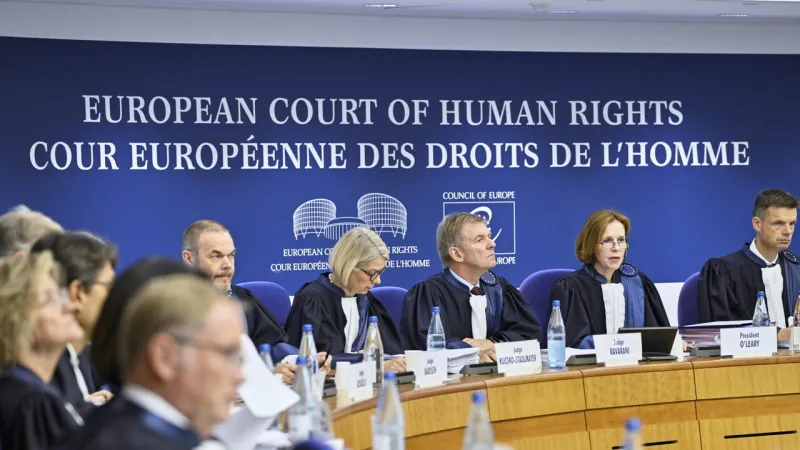
The European Court of Human Rights (ECtHR) in Strasbourg has issued a significant condemnation against Italy, ruling that a public prosecutor employed sexist language during a sexual violence trial. This judgment, delivered recently, centers on a statement made by the prosecutor implying a woman's resistance in a sexual assault case was merely a hurdle a man must overcome.
The case stems from a deeply disturbing incident of violence, where the judicial process itself became scrutinized for its adherence to principles of equality and non-discrimination. The ECtHR's decision underscores the critical importance of impartial and non-biased language within legal proceedings, especially in sensitive matters such as gender-based violence.
Specifically, the condemnation targets a phrase uttered by the prosecutor: "a man must overcome some resistance." This statement, made during a pivotal phase of the trial, suggested that a woman's initial reluctance or opposition to sexual advances is a normal obstacle rather than a clear refusal, thereby trivializing the concept of consent.
The European court found that this particular remark not only perpetuated harmful gender stereotypes but also undermined the victim's experience and rights. The ruling explicitly states that such judicial discourse can re-victimize individuals and erode public trust in the justice system's ability to protect vulnerable parties.
The court determined that Italy, through its judicial representative, had violated Article 14 (prohibition of discrimination) read in conjunction with Article 8 (right to respect for private and family life) of the European Convention on Human Rights. This legal framework demands states ensure effective protection against violence, free from discriminatory practices.
This judgment is expected to resonate across European judiciaries, prompting renewed examination of training programs and ethical guidelines for legal professionals handling cases of sexual and gender-based violence. It highlights a persistent challenge in aligning judicial practices with evolving human rights standards.
While specific official reactions from Rome were not immediately detailed, the condemnation from such a prominent international body invariably triggers a period of introspection within the national legal establishment. It often leads to calls for reforms aimed at enhancing sensitivity and awareness among judges and prosecutors.
The ECtHR has consistently stressed the need for states to actively combat gender stereotypes, particularly within the judicial system. Previous cases have established a clear precedent that legal language must be neutral and respectful, avoiding any phrasing that could perpetuate harmful societal biases.
This ruling contributes to a growing international conversation about the language of justice and its impact on victims of violence. Organizations advocating for women's rights have long highlighted how subtle biases in courtrooms can significantly affect case outcomes and a victim's journey toward justice.
Experts suggest that the Italian Ministry of Justice may now face increased pressure to review and update protocols for prosecutors, ensuring that all legal professionals receive comprehensive training on gender sensitivity and the nuances of consent. The goal is to eradicate language that might inadvertently excuse or diminish acts of sexual violence.
The decision could influence future legislative initiatives in Italy, potentially leading to clearer guidelines for what constitutes appropriate language in sexual violence trials. It reinforces the principle that justice must not only be done but must also be seen to be done without prejudice or stereotypes.
The prior condemnation of an Italian prosecutor for similar remarks, as covered in a related article, Europe Condemns Italian Prosecutor's Resistance for Sex Remark, illustrates a recurring pattern that the ECtHR aims to rectify with this latest judgment.
The ECtHR's firm stance serves as a powerful reminder that justice systems must be vigilant in upholding human rights and ensuring that all individuals, especially victims of grave crimes, are treated with dignity and respect, free from the insidious influence of sexism and prejudice.