 Edward DP Situmorang
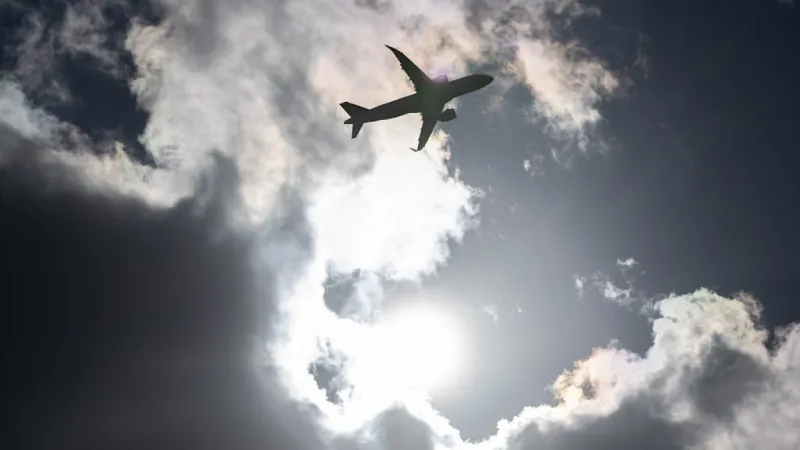
BERLIN A 33-year-old man faces a serious criminal investigation after allegedly repeatedly attempting to open a plane door during a Lufthansa flight traversing the Atlantic Ocean. The passenger is now under scrutiny for suspected dangerous interference in air traffic, an offense carrying significant legal repercussions.
German authorities initiated the probe following reports of the disruptive behavior that occurred at high altitude. Details surrounding the exact route and flight number remain under wraps as the investigation unfolds, with officials focused on understanding the full scope of the incident.
Tampering with an aircrafts critical systems, particularly an emergency exit or cabin door during flight, poses an extreme and potentially catastrophic threat to every individual onboard. Modern aircraft doors are engineered to withstand immense pressure differences, making it virtually impossible to open them mid-flight.
Despite the physical impossibility of opening a pressurized cabin door, any attempt to do so is treated with the utmost gravity by airline staff and aviation security officials. Such actions can incite panic, endanger crew and passengers, and divert essential resources necessary for the safe operation of the flight.
The suspicion of dangerous interference in air traffic falls under severe statutes aimed at protecting public safety within the aviation sector. Convictions for such offenses can result in substantial prison sentences and hefty fines, underscoring the profound legal seriousness of the allegations.
Lufthansa, a major international carrier, maintains stringent protocols for handling unruly passengers. While the airline has not released an official statement regarding this specific incident, such situations typically involve immediate intervention by cabin crew and, upon landing, transfer of the individual to local law enforcement authorities.
Incidents involving unruly passengers have seen a notable increase globally in recent years, prompting airlines and regulatory bodies to implement stricter measures and enhance crew training. From verbal abuse to physical altercations, these disruptions present persistent challenges for the aviation industry and passenger comfort.
The alleged actions of the Lufthansa passenger, specifically rattling a plane door, go beyond typical disruptive behavior. They suggest a deliberate attempt to compromise the integrity of the aircraft, whether driven by delusion, intoxication, or other factors yet to be determined by investigators.
Beyond potential criminal charges, the individual involved will almost certainly face a lifetime ban from flying with Lufthansa and potentially other airlines. Such blacklisting is a standard response to actions that directly threaten flight safety and the well-being of others.
The incident underscores the paramount importance of aviation safety protocols and the collective responsibility of all passengers to adhere to flight regulations. Every component, from a seatbelt sign to a cabin door, serves a critical function in maintaining a secure environment. This seriousness is echoed in past incidents, such as the Germanwings crash investigation where Germanwings Crash: Court Denies Additional Damages to Victims Families.
Such high-stress situations can have lasting psychological impacts on fellow passengers and flight crew, who are trained to manage emergencies but are not immune to the trauma of perceived immediate danger or a direct threat to their lives.
Aviation experts may review this incident to assess if current procedures or aircraft designs require any modifications or if further passenger awareness campaigns are necessary to prevent similar occurrences. The industry continuously seeks to mitigate all potential risks and enhance safety measures.