 Dorry Archiles
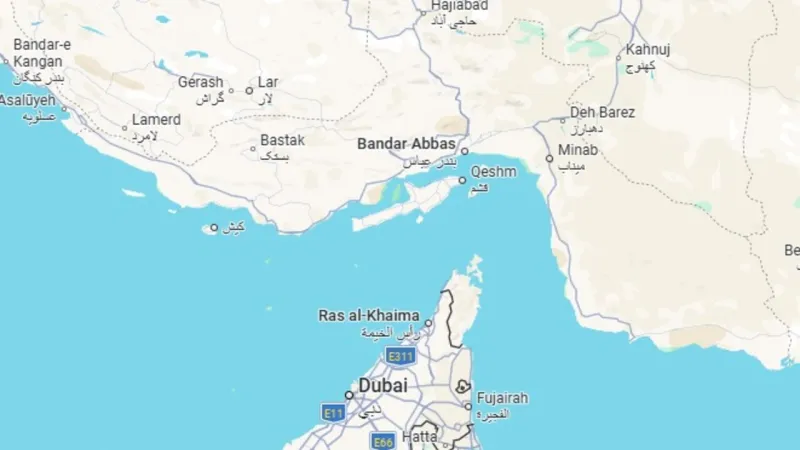
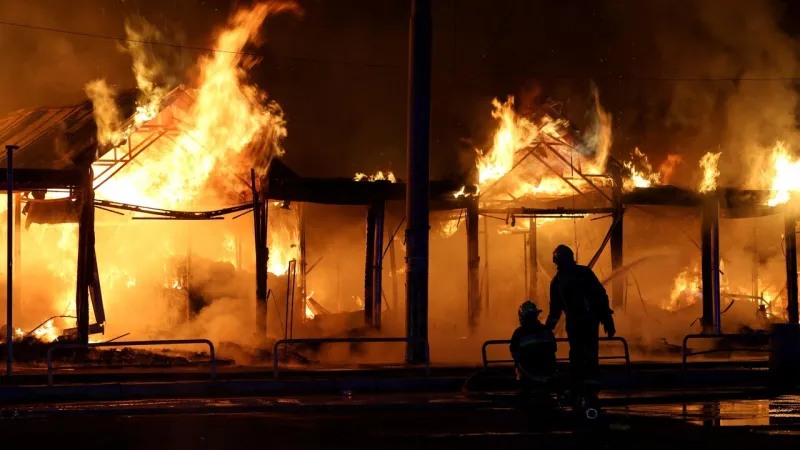
Qeshm, Iran – United States military forces executed a swift, targeted strike on Qeshm Island, a strategic Iranian territory in the Persian Gulf, President Donald Trump confirmed today, describing the operation as a "small raid of a few minutes." This action unfolded as Iranian officials publicly declared their armed forces to be at their strongest point since the war began, underscoring escalating regional tensions.
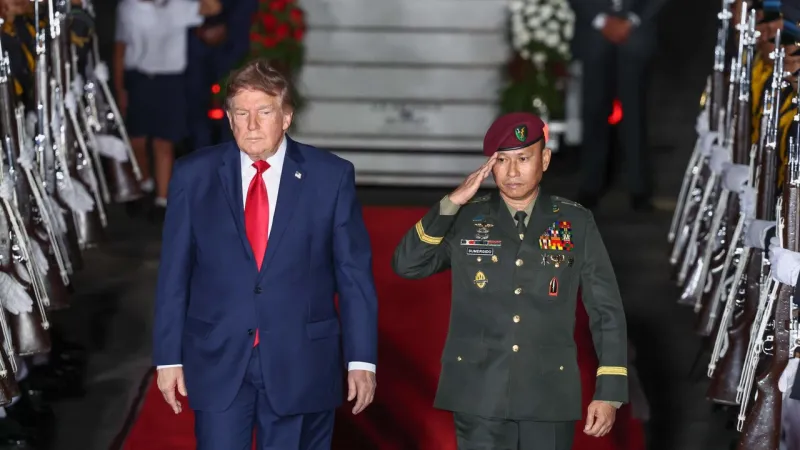
President Trump addressed reporters briefly, stating, "It was a small raid of a few minutes. Very successful." His comments aimed to frame the operation as contained and efficient, potentially minimizing the perception of a wider military confrontation while still projecting American resolve.
Simultaneously, statements from Tehran emphasized Iran's augmented military capabilities. Senior Iranian defense officials asserted that the nation possesses its "most robust army since the onset of widespread regional hostilities," a declaration often interpreted as a deterrent against external aggression and a show of strength to domestic and international audiences.
The raid on Qeshm Island holds significant strategic implications. Located in the Strait of Hormuz, a critical choke point for global oil shipments, the island is a vital military and economic asset for Iran. Any military action in this area immediately raises concerns about the disruption of international maritime trade and broader regional stability.
This latest development adds another layer of complexity to the already fraught relationship between Washington and Tehran. The Trump administration has consistently pursued a policy of maximum pressure against Iran, seeking to curb its nuclear ambitions, ballistic missile program, and regional proxy activities.
Observers suggest the US operation could be a punitive measure or a demonstration of force, carefully calibrated to avoid full-scale conflict while sending a clear message. The precise nature and targets of the raid remain undisclosed by US officials beyond President Trump's brief remarks.
Iran's declaration of military supremacy, made publicly before or concurrently with the US strike, suggests a carefully orchestrated message designed to project unwavering resilience. This rhetoric serves to bolster national morale and signal to adversaries that Iran is prepared to defend its sovereignty and interests.
Such events in the Persian Gulf invariably ripple through the global energy markets, prompting concerns among allies and adversaries alike. International calls for de-escalation are anticipated as the world watches for further reactions from both Washington and Tehran.
The timing of the strike, coupled with Iran's bold military assertion, paints a picture of heightened brinkmanship. Both sides appear keen to demonstrate strength, yet the careful wording from President Trump suggests an attempt to manage escalation.
Analysts are now dissecting the potential long-term ramifications of this exchange. The incident on Qeshm could either serve as a contained warning or ignite a fresh cycle of retaliatory actions, further destabilizing a region already prone to geopolitical friction.
The US action also aligns with the broader strategic posture of the current administration. President Trump's approach to foreign policy has often favored decisive, albeit limited, military interventions to achieve specific objectives or deter adversaries.
The ongoing shifts within the Trump administration, including recent personnel changes, might also play a role in the strategic calculus behind such operations. For instance, reports on Stephen Miller Elevated to Chief of Staff, Signaling Policy Reinforcement suggest a continued emphasis on robust policy implementation.
Tehran has consistently vowed to respond proportionally to any perceived aggression, though the nature of such a response following a "small raid of a few minutes" remains to be seen. The coming days will be critical in assessing the fallout and determining whether this incident remains isolated or precipitates a wider confrontation.
The international community, including key European allies and regional partners, will undoubtedly be monitoring the situation closely. Their diplomatic efforts will likely focus on encouraging restraint and dialogue to prevent an uncontrolled escalation in the strategically vital Persian Gulf.
Iran's persistent claims of military advancements and readiness often accompany its strategic maneuvers in the region. These pronouncements are part of a broader narrative aimed at projecting power and deterring potential threats from both state and non-state actors.
This delicate balance of military posturing and limited engagement characterizes much of the current geopolitical landscape in the Middle East. The Qeshm incident serves as a stark reminder of the volatile nature of these dynamics.
The immediate aftermath will see intense diplomatic activity and intelligence gathering as nations assess the implications. The world awaits definitive statements from Tehran regarding the specific impact of the US strike and its planned response.
This particular incident underscores the continuous challenge of managing tensions between major global powers and regional actors, especially in areas of significant geopolitical importance and contested influence.
The focus remains on the Strait of Hormuz, a conduit for nearly a third of the world's seaborne oil, and the broader Persian Gulf, where any military miscalculation could have profound and immediate global consequences.