 Stefani Rindus
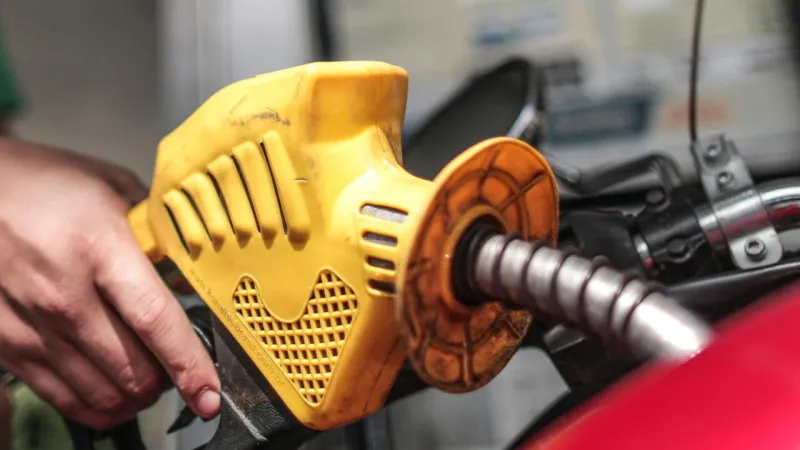
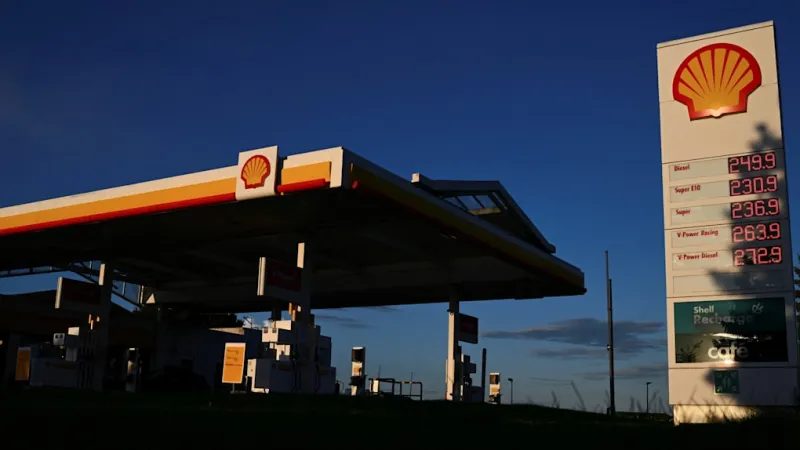
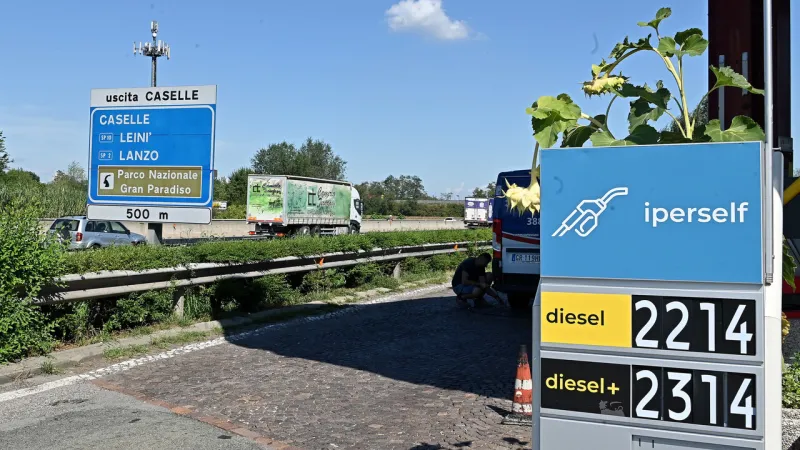
Italy is grappling with a significant surge in gasoline prices, with pump rates climbing above €2 per liter in urban centers, marking the highest levels recorded since 2023. This unwelcome economic development, which unfolded over recent weeks, has prompted immediate and forceful demands from consumer associations for the government to swiftly reduce fuel excise duties, particularly on unleaded fuel, to alleviate the mounting financial burden on households and businesses.
The abrupt escalation in fuel costs is sending ripples of concern throughout the Italian economy, threatening to impact everything from daily commutes to the operational expenses of logistics and transportation sectors. This price spike occurs amidst broader global energy market fluctuations, though domestic factors, including taxation, are consistently highlighted by advocacy groups.
Consumer organizations have voiced their profound frustration and disappointment. One prominent group asserted, "The government has no more excuses; it must immediately cut excise duties, even on green fuel." This statement underscores a growing impatience with what many perceive as a lack of decisive action to mitigate inflationary pressures directly affecting citizens' wallets.
Reaching above the €2 threshold for gasoline represents a critical psychological and economic benchmark for Italian consumers. The last time prices consistently held such elevated positions was in 2023, making the current situation a stark reminder of past periods of economic strain and a potential precursor to renewed inflationary cycles.
While specific government responses to this latest surge are still developing, past administrations have often faced similar dilemmas, balancing revenue generation from excise taxes against public demand for relief. The current government, led by Prime Minister Giorgia Meloni, is now under increased scrutiny to articulate its strategy.
The ripple effect extends beyond individual motorists. Small and medium-sized enterprises, particularly those reliant on transportation for goods and services, face exacerbated operating costs. This can lead to increased prices for consumers across various goods, potentially fueling broader inflation.
While the national average registers a significant increase, urban areas, often characterized by higher operational costs for service stations and increased local demand, are experiencing the most acute price hikes, consistently pushing past the €2 mark. This disparity adds another layer of complexity to the national economic picture.
Italy's fuel taxation structure is among the highest in Europe, a long-standing point of contention for both consumers and businesses. This structural element means that global oil price increases are amplified disproportionately at the Italian pump, making the nation particularly vulnerable to international market volatility.
Economic analysts suggest that sustained high fuel prices could depress consumer spending in other sectors, as households reallocate budgets to essential transportation costs. This could impede economic recovery efforts and potentially stifle growth in the coming months.
The ball is now firmly in the government's court, with consumer advocacy groups and citizens alike awaiting concrete measures. Whether a reduction in excise duties is feasible or politically palatable remains a key question, as the decision carries significant implications for both state revenues and public sentiment.
This recent development echoes previous moments of significant pressure, as detailed in reports such as Italy Faces Fuel Shock: Gasoline Surpasses 2 Euros, Highest Since 2023, which documented similar challenges faced by the nation's motorists and industries.
The public mood reflects a mix of frustration and resignation, with many expressing concern about the broader cost of living crisis. Social media platforms and local news outlets are abuzz with discussions about the necessity of immediate government intervention to prevent further economic erosion for average families.
Political observers note that the issue of fuel pricing is a perennial hot-button topic in Italian politics. The government's handling of this latest crisis could have ramifications for its approval ratings and political stability, especially if price pressures persist or intensify.