 Angela Stefani

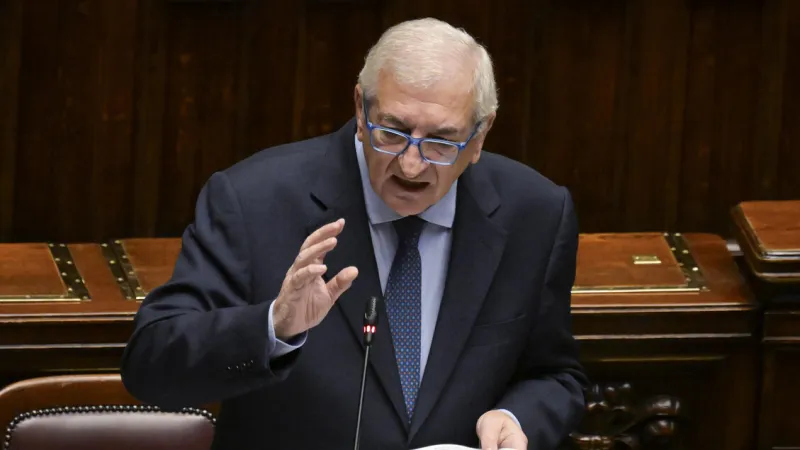
BERLIN – Udo Dinglreiter, President of the powerful Gesamtmetall employers association, has issued a stark warning regarding Germany's escalating labor costs, proposing drastic measures to overhaul the nation's social welfare system. He specifically advocated for capping unemployment benefits at a maximum duration of one year and called for savings totaling up to 50 billion euros across the broader social safety net, citing an urgent need to enhance Germany's economic competitiveness.
Dinglreiter's pronouncement underscores mounting apprehension within German industrial circles concerning the nation's economic trajectory. The proposals arrive amidst ongoing debates about Germany's business environment, which many executives perceive as increasingly burdensome due to high energy prices, bureaucratic hurdles, and rising personnel expenses. This situation fuels concerns about a potential decline in investment and job creation.
The demand for a one-year limit on unemployment benefits, known as Arbeitslosengeld in Germany, represents a significant shift from current regulations, which can extend beyond 12 months for older workers. This specific focus by the Gesamtmetall head suggests a targeted effort to incentivize quicker re-entry into the workforce and reduce the long-term financial strain on state coffers.
Germany, traditionally an industrial powerhouse, has recently faced economic headwinds, including supply chain disruptions, geopolitical instability, and a structural transformation towards green energy. Business leaders often highlight that the cumulative effect of these challenges, combined with high labor and social contributions, makes the country less attractive for domestic and international investment.
The proposed 50 billion euro reduction in social system expenditures signals a broad reform agenda. While Dinglreiter has pinpointed unemployment benefits, the comprehensive nature of this figure suggests other areas, such as healthcare, pensions, or social assistance programs, could also face scrutiny and potential restructuring. Such sweeping changes would undoubtedly provoke considerable political and public debate.
The Gesamtmetall president argues that these cost-cutting measures are essential to prevent Germany from losing its competitive edge on the global stage. High labor costs directly impact production expenses, potentially making German goods and services less attractive internationally. This sentiment resonates with findings like those in a recent report, German Business Exodus: One-Third Plan Production Abroad, which highlighted a significant trend among German companies considering relocating parts of their production outside the country.
Such proposals are likely to encounter stiff resistance from labor unions and left-leaning political parties, who typically champion robust social safety nets. They would argue that drastic cuts to unemployment benefits and social spending could exacerbate social inequality and undermine the economic security of citizens during periods of transition or hardship.
Debates over the duration and level of unemployment benefits are not new in Germany. Previous reforms, notably the Hartz IV reforms in the early 2000s, aimed to restructure the welfare state to encourage employment. However, Dinglreiter's current proposals signal a renewed and more aggressive push for fiscal consolidation within the social system.
The potential impact of a one-year limit on unemployment benefits would be particularly felt by long-term unemployed individuals or those in sectors undergoing significant transformation, where re-skilling and job placement might take longer than 12 months. This could force individuals into more precarious employment or further burden local social assistance programs.
As Germany navigates a complex economic landscape, the recommendations from Gesamtmetall's Udo Dinglreiter serve as a powerful indicator of the strategic priorities within a significant segment of the nation's industrial leadership. His calls for austerity in the social system will inevitably frame crucial political and economic discussions in the coming months, shaping the future of Germany's welfare state and its global economic standing.