 Edward DP Situmorang
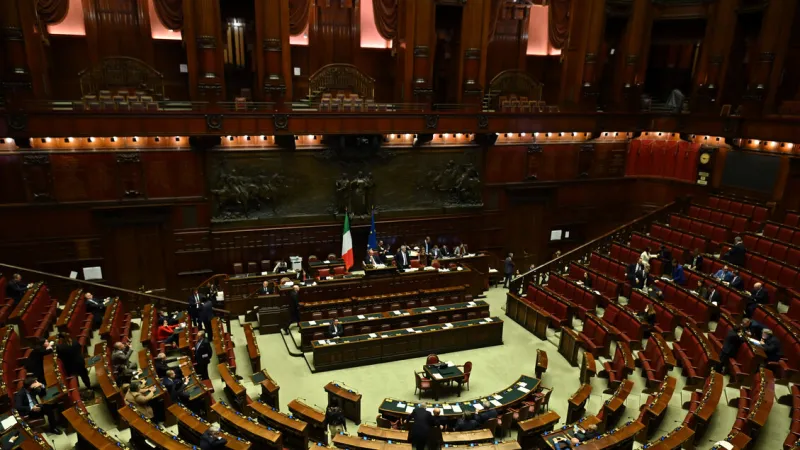
ROME - Italy's governing majority, spearheaded by the Fratelli d'Italia (FdI) party, is accelerating its legislative agenda to secure final parliamentary approval for a significant electoral reform by summer 2026. Senate President Ignazio La Russa has initiated a round of consultations with various parliamentary group leaders, diligently sounding out positions and seeking pathways for the proposed changes to advance through the legislative process. The coalition articulates this reform as a critical step toward ensuring elections consistently occur at the natural conclusion of a parliamentary term, thereby fostering greater political stability within the nation.
The impetus behind this legislative push comes primarily from Fratelli d'Italia, the leading party in the current government. Proponents argue that the current electoral framework contributes to governmental instability and frequent changes, an enduring characteristic of Italian politics. By reforming the system, they aim to create a more robust environment where elected governments can fulfill their full five-year mandates, a goal often elusive in Italy's post-war history.
Senate President La Russa's active engagement underscores the majority's commitment to the timeline. His consultations are vital for mapping the parliamentary landscape, identifying areas of potential compromise, and understanding the depth of opposition. This phase of dialogue is a standard, yet critical, component of legislating, particularly for measures with such profound implications for the nation's democratic processes.
While specific details of the proposed electoral reform have not been fully disclosed in the initial reports, the focus on ensuring elections at term's end suggests potential amendments aimed at reinforcing majority rule and limiting the fragmentation of political power. Such changes often involve mechanisms like majority bonuses or adjusted thresholds for parliamentary representation, designed to produce clearer governmental mandates.
Despite the majority's resolve, the initiative faces steadfast resistance from opposition parties. Their categorical rejection signals an impending period of intense parliamentary debate and political maneuvering. Opposition groups typically voice concerns over such reforms potentially diminishing minority representation, concentrating power, or altering the democratic balance to unfairly benefit the incumbent majority.
The path to summer approval is fraught with potential challenges. Any significant electoral reform in Italy traditionally triggers extensive parliamentary scrutiny, requiring multiple readings in both the Chamber of Deputies and the Senate. Amendments, procedural delays, and the need for broad agreement — or at least a robust majority vote — could extend the legislative timeline beyond the summer target.
Italy's political history is marked by frequent governmental crises and short-lived administrations, often attributed in part to the complexities of its electoral systems. Past attempts at reform have frequently been contentious, highlighting the deep divisions that can arise when the fundamental rules of representation are altered. The current government's endeavor is set against this backdrop of historical precedent and public weariness regarding political instability.
The implications of successfully passing this electoral reform extend far beyond the mechanics of voting. It could fundamentally reshape the dynamics of future Italian governments, potentially leading to more stable, albeit perhaps less coalition-dependent, administrations. For the current majority, it represents a pivotal legislative achievement that could define its legacy and influence its prospects in subsequent elections.
Analysts suggest that a more stable electoral system, as envisioned by the majority, could also impact Italy's standing within the European Union. Predictable governmental tenures could lead to more consistent policy implementation, potentially bolstering investor confidence and strengthening Italy's position on key international issues.
As Senate President La Russa continues his discussions, all eyes will be on the legislative calendar and the outcomes of these high-stakes negotiations. The coming weeks will provide clearer indications of the reform's specific contours and the likelihood of its passage, shaping the future of Italy's democratic landscape. The electoral reform debate stands as a defining moment for the current Italian government and its vision for national governance.
The ongoing discussions underscore the enduring quest for an electoral system that balances representativeness with governability, a challenge that has long preoccupied Italian political thought and action. This current initiative is merely the latest chapter in that protracted national dialogue.
The government's proactive stance on this issue highlights a strategic effort to address underlying structural fragilities within the nation's political machinery. Achieving consensus, or at least a decisive majority, will be critical to the legitimacy and longevity of any proposed changes, marking this period as a crucial test of political will and parliamentary strength.